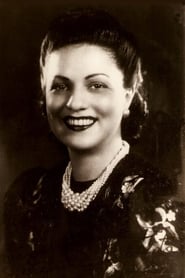
Dircinha Batista
Actor
Born: April 7, 1922 in Rio de Janeiro, Brazil Died: April 18, 1999 Active: 1939-1980s Birth Name: Dirce Grandino de Oliveira Batista
Films
1 film
About Dircinha Batista
Brazilian actress, singer, and performer who emerged as popular entertainers of Brazil's Golden Age of Cinema. Born into a musical family, she began her career alongside her sister Linda Batista, forming the famous Batista Sisters duo that dominated Brazilian radio and film in the 1930s and 1940s. Her breakthrough came with the 1939 musical film 'Banana da Terra,' which showcased her vocal talents and screen presence, helping to establish the Brazilian musical film genre. Throughout her career, she transitioned seamlessly between film, radio, television, and stage performances, becoming a household name across Brazil. Her performances often featured samba and other Brazilian musical styles, contributing to the popularization of Brazilian culture internationally. Despite the challenges faced by women in the entertainment industry during her era, she maintained a successful career spanning several decades and became an icon of Brazilian popular culture. Her legacy includes not only her artistic contributions but also her role in paving the way for future generations of Brazilian female performers.
The Craft
On Screen
Natural and charismatic performing style with strong emphasis on musical numbers, characterized by her warm stage presence and ability to connect with audiences through both song and dialogue
Milestones
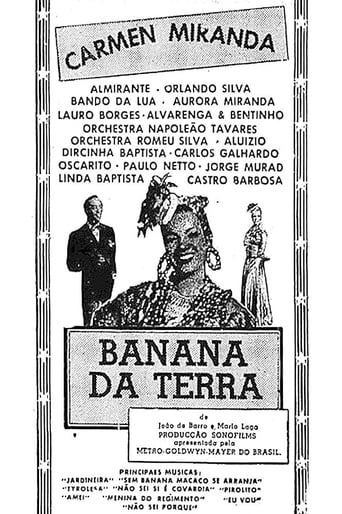
- Starred in 'Banana da Terra' (1939), one of Brazil's first major musical films
- Formed the famous Batista Sisters duo with sister Linda Batista
- Became a regular performer on Brazilian radio programs
- Transitioned successfully to television in the 1950s
- Performed in numerous stage shows and nightclubs throughout Brazil
- Helped popularize samba and Brazilian music internationally
Best Known For
Iconic Roles
Must-See Films
Accolades
Won
- Various Brazilian music and entertainment awards
- Recognition from Brazilian Radio and Television Association
Nominated
- Multiple nominations for Best Female Performer in Brazilian entertainment awards
Special Recognition
- Recognized as a pioneer of Brazilian musical cinema
- Honored by Brazilian cultural institutions for contributions to music and film
Working Relationships
Worked Often With
Studios
Why They Matter
Impact on Culture
Dircinha Batista played a crucial role in establishing Brazilian musical cinema as a legitimate and popular art form. Her performances helped define the aesthetic and style of early Brazilian sound films, particularly the chanchada genre that blended comedy, music, and Brazilian cultural elements. Through her work in 'Banana da Terra' and other films, she contributed to the international recognition of Brazilian music, particularly samba, helping to establish Brazil's cultural identity on the global stage. Her success as a female performer in the 1930s and 1940s helped break barriers for women in Brazilian entertainment, demonstrating that women could be successful headliners in their own right.
Lasting Legacy
Dircinha Batista's legacy endures as a foundational figure in Brazilian popular culture and cinema history. She is remembered as part of the generation that established Brazil's film industry and created a distinctly Brazilian cinematic language. Her work with the Batista Sisters helped create a template for family musical acts in Brazil that would be emulated for decades. The films she appeared in, particularly 'Banana da Terra,' are now considered classics of Brazilian cinema and are studied for their historical and cultural significance. Her influence can be seen in subsequent generations of Brazilian performers who continue to blend music, dance, and theatrical performance in their work.
Who They Inspired
Dircinha Batista influenced numerous Brazilian performers who followed, particularly in the realm of musical entertainment. Her success demonstrated the commercial viability of Brazilian musical films and inspired other studios to invest in similar productions. Her performing style, which combined authentic Brazilian musical traditions with theatrical presentation, became a model for subsequent Brazilian entertainers. The Batista Sisters format influenced other family musical acts in Brazil and throughout Latin America. Her ability to transition between different media - from film to radio to television - provided a blueprint for multi-platform entertainment careers that remains relevant today.
Off Screen
Dircinha Batista came from a musical family and was deeply connected to Brazilian cultural traditions. She maintained a relatively private personal life despite her public fame, focusing primarily on her artistic career. Her relationship with her sister Linda was both personal and professional, forming one of Brazil's most famous entertainment partnerships. She witnessed and participated in the evolution of Brazilian entertainment from radio's golden age through the emergence of television. Throughout her life, she remained dedicated to promoting Brazilian music and culture, often performing traditional samba and popular Brazilian songs.
Education
Informal musical training within the family environment; self-taught performer who learned through practical experience in the entertainment industry
Family
- Limited public information available about marital history
Did You Know?
- Her sister Linda Batista was even more famous as a singer, and together they formed one of Brazil's most popular musical duos
- 'Banana da Terra' (1939) was one of the first films to feature both Batista sisters and helped launch their national fame
- The film 'Banana da Terra' also featured an early appearance by Carmen Miranda before she became an international star
- She was part of the golden generation of Brazilian performers who helped establish the country's film industry in the 1930s
- Her performances often featured traditional Brazilian instruments and rhythms, helping to preserve and popularize Brazilian folk music
- She continued performing well into the television era, adapting her style for new media and audiences
- The Batista Sisters were among the first Brazilian acts to achieve widespread commercial success across multiple media platforms
- Her real name was Dirce Grandino de Oliveira Batista, reflecting her full Portuguese heritage
- She witnessed the entire evolution of Brazilian popular entertainment from radio's golden age through modern television
- Her contributions to Brazilian cinema are now recognized by film historians as foundational to the country's cinematic identity
In Their Own Words
Music is the soul of Brazil, and we were privileged to share that soul with the world
Performing with my sister wasn't just work, it was sharing our family's joy with everyone who listened
Every song we sang was a piece of Brazil we offered to our audience
Frequently Asked Questions
Who was Dircinha Batista?
Brazilian actress, singer, and performer who rose to fame in the 1930s and 1940s as part of the famous Batista Sisters duo. She starred in early Brazilian musical films, most notably 'Banana da Terra' (1939), and became a beloved figure in Brazilian entertainment, known for her contributions to popularizing Brazilian music and culture.
What films is Dircinha Batista best known for?
Titles linked here include Banana da Terra (1939), Moleque Tião (1943).
When was Dircinha Batista born and when did she die?
Born April 7, 1922; died April 18, 1999.
What awards did Dircinha Batista win?
While specific major international awards are not extensively documented, Dircinha Batista received numerous recognitions within Brazil's entertainment industry, including honors from Brazilian cultural institutions and music associations. She was particularly recognized for her role in establishing Brazilian musical cinema and her contributions to popularizing Brazilian music and culture internationally.
What was Dircinha Batista's performing style?
Dircinha Batista's performing style was characterized by natural charisma and warmth, with a strong emphasis on musical performance. She specialized in Brazilian musical genres, particularly samba, and was known for her ability to connect authentically with audiences. Her style blended traditional Brazilian musical elements with theatrical presentation, creating performances that were both culturally authentic and entertainingly polished.