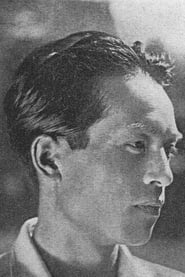
Daisuke Itō
Director
Born: October 12, 1898 in Uwajima, Ehime Prefecture, Japan Died: July 19, 1981 Active: 1920-1971
Films
1 film
About Daisuke Itō
Titan of Japanese cinema, widely revered as the 'father of modern jidaigeki' (period drama) and a pioneer who revolutionized the samurai film genre. Born in Uwajima, Ehime Prefecture, he initially pursued a career in theater before joining the Shochiku actor school in 1920, where he transitioned into screenwriting under the mentorship of Kaoru Osanai. He made his directorial debut in 1924 with 'Shuchū nikki' and quickly gained fame for his dynamic, avant-garde visual style characterized by rapid cutting and a highly mobile camera. His masterpiece, the 'A Diary of Chuji's Travels' trilogy (1927), solidified his reputation excelled in the silent era, blending social realism with nihilistic, anti-heroic protagonists. Throughout the 1920s and 1930s, he was the leading figure of the 'tendency film' movement, which utilized historical settings to critique contemporary social injustices. Despite the challenges of the transition to sound and the censorship of the pre-war era, Itō continued to direct and write for nearly five decades, collaborating with stars like Denjirō Ōkōchi and Tsumasaburō Bandō. His screen career spanned the silent era to the 1970s, leaving an indelible mark on the aesthetic and thematic depth of Japanese historical cinema.
The Craft
Behind the Camera
Itō's style was defined by its kinetic energy and 'restless' camera work, earning him the nickname 'Idō Daisuki' (a pun on his name meaning 'Loves Motion'). He utilized rapid-fire editing, extreme close-ups, and low-angle shots to create a sense of visceral intensity and psychological depth. His films often featured 'nihilistic' heroes—loners and outcasts who fought against a corrupt social order—which was a stark departure from the traditional, more theatrical samurai films of the early silent era. He was also an expert at 'benshi' integration, ensuring his visual storytelling complemented the live narration common in Japanese silent theaters.
Milestones
- Directed 'A Diary of Chuji's Travels' (1927), considered one of the greatest masterpieces of silent jidaigeki.
- Pioneered the 'Idō Daisuki' (Loves Motion) camera technique, introducing unprecedented mobility to Japanese cinematography.
- Founded the Itō Film Research Institute in 1926 to explore independent filmmaking.
- Received the Blue Ribbon Award for Best Director in 1961 for 'Hangyakuji' (The Conspirator).
- Helped establish the Directors Guild of Japan in 1936.
- Influenced the 'tendency film' movement by infusing historical dramas with socialist and nihilistic themes.
Best Known For
Must-See Films
Accolades
Won
- Blue Ribbon Award for Best Director (1961) for 'Hangyakuji'
- Kinema Junpo Award for Best Film (1927) for 'A Diary of Chuji's Travels'
- Kinema Junpo Award for Best Film (1928) for 'Shinpan Ōoka seidan'
- Yamaji Fumiko Film Achievement Award (1978)
- Person of Cultural Merit, Kyoto City (1972)
Nominated
- Kinema Junpo Best Film Nomination (Multiple years including 1931, 1948, 1961)
Special Recognition
- Designated as a Person of Cultural Merit by Kyoto City
- Posthumous recognition as one of the 'Four Pillars' of Japanese period cinema
- Special screenings at the Pordenone Silent Film Festival for restored fragments of his work
Working Relationships
Worked Often With
Studios
Why They Matter
Impact on Culture
Daisuke Itō fundamentally changed the jidaigeki from a static, stage-bound genre into a dynamic, cinematic art form. By introducing the 'nihilistic hero,' he reflected the disillusionment of the Japanese youth during the Taisho and early Showa eras, making historical films relevant to contemporary political struggles. His work bridged the gap between traditional Japanese aesthetics and Western cinematic techniques, such as those found in German Expressionism and Soviet Montage.
Lasting Legacy
Itō's legacy is preserved through the 'Daisuke Itō Award' and the continued study of his surviving film fragments, which are considered treasures of world cinema. He is credited with inspiring the kinetic action styles of later masters like Akira Kurosawa and the 'cruel jidaigeki' movement of the 1960s. The discovery of a partial print of 'A Diary of Chuji's Travels' in 1991 was hailed as.
Who They Inspired
His 'restless camera' and focus on the emotional interiority of the samurai influenced a generation of filmmakers, including Akira Kurosawa, who adopted similar kinetic energy in his action sequences. He also influenced the development of the 'chambara' (sword-fighting) subgenre by emphasizing the speed and brutality of combat over choreographed dance-like movements.
Off Screen
Itō was born into a family in Uwajima; his father passed away while he was young, forcing him to abandon higher education to work as a draftsman at the Kure Naval Arsenal. He was a lifelong friend and mentor to fellow director Mansaku Itami, whom he met during his school years in Matsuyama. He spent much of his later life in Kyoto, the heart of the Japanese film industry, where he remained a respected elder statesman of the cinema until his death from renal failure in 1981.
Education
Matsuyama Middle School (dropped out due to family financial hardship)
Did You Know?
- His nickname 'Idō Daisuki' was a clever pun on his name: 'Idō' means movement/migration, and 'Daisuki' means 'to love very much.'
- He wrote over 200 screenplays during his career, even when he wasn't directing.
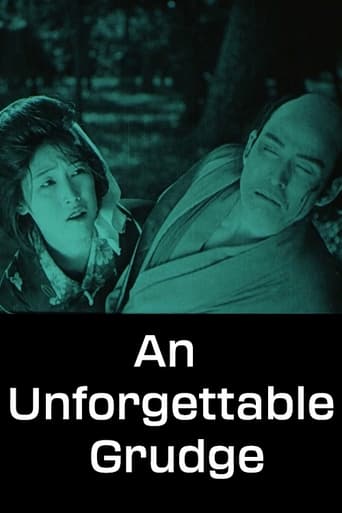
- The 1926 film 'An Unforgettable Grudge' (Chōkon) was his first collaboration with Denjirō Ōkōchi, a partnership that would define the Golden Age of jidaigeki.
- He once tied a camera to his own body to achieve the specific 'shaky cam' effect he wanted for a chase scene.
- Most of his silent films were lost for decades until fragments were rediscovered in the 1990s and 2000s.
- He was a founding member of the Directors Guild of Japan in 1936, advocating for directors' creative rights.
In Their Own Words
The camera must not just watch; it must participate in the soul of the character.
A period film is not about the past; it is about the present through the lens of the past.
Frequently Asked Questions
Who was Daisuke Itō?
Japanese on YTB.my.' He is famous for revolutionizing the samurai film genre with his dynamic camera movement and socially conscious themes.
What films is Daisuke Itō best known for?
Titles linked here include A Diary of Chuji's Travels (1927), An Unforgettable Grudge (Chōkon) (1926).
When was Daisuke Itō born and when did he die?
Born October 12, 1898; died July 19, 1981.
What awards did Daisuke Itō win?
His major accolades include the Blue Ribbon Award for Best Director (1961) and multiple Kinema Junpo Awards for Best Film in the late 1920s.
What was Daisuke Itō's directing style?
His style, nicknamed 'Idō Daisuki' (Loves Motion), featured a highly mobile camera, rapid editing, and a focus on nihilistic, anti-heroic protagonists fighting against social injustice.