Albert Préjean
Actor
- Born
- October 27, 1894, Paris, France
- Died
- November 1, 1979
- Active
- 1925-1956
Films 1
About Albert Préjean
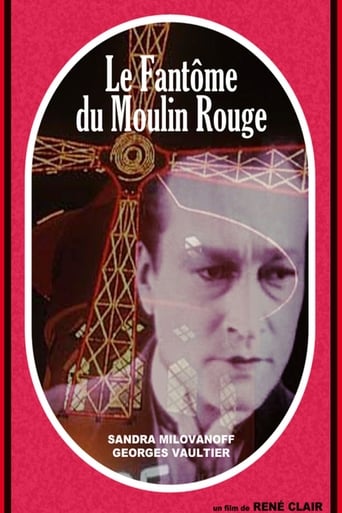
Albert Préjean was a French film actor who became one of the best-known popular leading men of French cinema in the late silent era and early sound period. Born in Paris, he began his screen career in the mid-1920s and quickly proved especially suited to charming, energetic, everyman roles that bridged silent performance and the new era of spoken film. His early work includes The Phantom of the Moulin-Rouge (1925), and he soon became a familiar face in French productions where his light comic touch, handsome presence, and easy vocal delivery made him highly adaptable to talkies. Préjean worked through the 1930s and 1940s in a wide range of comedies, dramas, and musical films, often embodying urbane or romantic leads with a distinctly French popular appeal. He was also associated with theatrical and musical performance, which helped him transition smoothly into sound cinema at a time when many silent stars struggled. Over the course of his career he remained a recognizable figure in French entertainment, appearing in numerous films and contributing to the development of mainstream commercial cinema in France. He died in 1979, leaving behind a filmography that reflects the transition from silent cinema to the mature sound era in French film history.
More about Albert Préjean
On screen
Préjean was known for a personable, relaxed screen manner that combined youthful charm, light comic timing, and a natural ease in romantic or everyday roles. In silent films he relied on expressive physical presence and an approachable, modern-looking style rather than broad theatrical exaggeration. With the arrival of sound, his conversational delivery and musical background made him especially effective in talkies, where he could project warmth and breezy confidence. He was not typically associated with highly stylized character acting; instead, he excelled as a polished popular lead who felt accessible and contemporary to audiences.
In film history
Albert Préjean represents an important type of French screen actor who helped popularize the transition from silent cinema to sound cinema. His career is culturally significant because it illustrates how some performers adapted successfully to new technology and new audience expectations, remaining viable as film language changed around them. As a personable leading man in commercial French films, he contributed to the development of a modern, accessible screen masculinity that felt less theatrical than earlier stage-derived acting traditions. His work belongs to the fabric of French popular cinema and reflects the tastes of mass audiences in interwar and postwar France.
Later reputation
Préjean’s legacy lies in his durability and adaptability across one of cinema’s most difficult transition periods. He is remembered as a reliable, charming French leading man whose career began in silent film and continued into the era when dialogue, voice, and musicality became central to screen performance. While he may not be as internationally famous as some of his contemporaries, he remains a valuable figure for historians studying the evolution of popular performance in French cinema. His filmography offers insight into the kinds of actors who anchored commercial French filmmaking across several decades.
Influence
Préjean’s influence is most evident in the model he provided of the adaptable, audience-friendly French screen actor who could survive the shift from silent to sound film. His success demonstrated that naturalistic presence, vocal ease, and comic-romantic charm could be just as important as silent-era visual expressiveness. Later actors in French popular cinema inherited this blend of casual charisma and technical adaptability, especially in light comedy and romantic leading roles. He helped normalize a more modern, conversational style of French screen acting.
Off screen
Albert Préjean was a French-born performer whose public identity was closely tied to popular entertainment rather than scandal or celebrity excess. He worked through the most transformative decades of film history in France, moving from silent cinema into the sound era and later into postwar screen appearances. Detailed public information about his private family life is limited in widely accessible classic-cinema reference sources, and no major personal controversies are commonly associated with him. His career suggests a professional life centered on steady work in film and performance rather than on an especially public off-screen persona.
Education
No reliably documented formal education is widely noted in standard film reference sources.
Credits
- Made his film debut in the silent era in 1925 and quickly established himself as a leading man in French cinema.
- Successfully transitioned from silent films to sound films, a move that derailed many performers of his generation.
- Became a prominent popular-screen presence in 1930s French comedies, dramas, and musical productions.
- Appeared in a broad range of commercially successful films that made him one of the recognizable faces of mainstream French entertainment.
- Maintained a screen career that extended from the late silent era through the postwar period.
Roles
- Leading man in The Phantom of the Moulin-Rouge
- Popular romantic-comedy and light-drama hero in 1930s French cinema
Films
- The Phantom of the Moulin-Rouge (1925)
- A popular selection of 1930s French sound comedies and dramas in which he served as a leading man
Collaborators
- French directors and producers active in the 1920s through 1940s
- Performers associated with mainstream French popular cinema
Studios
- French film production companies of the silent and early sound eras
- Various independent and commercial French producers
Notes
- He was born in Paris, giving him a direct connection to the cultural center of French cinema and theater.
- His screen debut came in the silent era, but he remained active into the age of sound films.
- Préjean is an example of an actor who successfully navigated the difficult silent-to-sound transition.
- His early credited appearance includes The Phantom of the Moulin-Rouge (1925).
- He was especially associated with popular entertainment rather than prestige art cinema.
- His long career suggests strong adaptability across changing styles of French filmmaking.
- He is remembered more as a dependable leading man than as a highly mannered character actor.
- Despite a substantial career, he is not commonly linked to major international awards, reflecting the period and the French industry structure of his time.
Questions
Who was Albert Préjean?
Albert Préjean was a French film actor who became a familiar leading man in the late silent era and early sound period. He was known for his charm, ease on camera, and ability to adapt to the demands of talking pictures, which helped sustain a long career in French cinema.
What films is Albert Préjean best known for?
He is known for The Phantom of the Moulin-Rouge (1925) and for a wide range of French popular films from the 1930s and 1940s. His best-known work comes from his roles as a romantic or comic leading man in mainstream French productions.
When was Albert Préjean born and when did he die?
Albert Préjean was born on October 27, 1894, in Paris, France. He died on November 1, 1979, after a long career that stretched from the silent era into postwar French cinema.
What awards did Albert Préjean win?
No major internationally documented awards are commonly listed for Albert Préjean in standard classic-cinema references. His significance rests more on his long career and popularity than on formal award recognition.
What was Albert Préjean's acting style?
Préjean’s style was warm, natural, and personable, with a light comic touch and an easy romantic presence. He worked effectively in silent films through expressive physicality and then adapted well to sound cinema because of his voice and relaxed delivery.
What is Albert Préjean's legacy in film history?
His legacy is that of a durable French screen star who successfully crossed from silent movies into the sound era. He is remembered as part of the generation of actors who kept commercial French cinema vibrant during a period of major technical and artistic change.