David Burton
Director
Born: May 22, 1877 in Odessa, Ukraine (then Russian Empire) Died: December 30, 1963 Active: 1930-1941 (Film); 1900s-1920s (Theater)
Films
1 film
About David Burton
Made a significant impact on the early sound era of Hollywood. Born in Odessa in 1877, he initially established himself as a prominent stage director and producer on Broadway, helming notable productions such as 'The Climax' (1909) and 'East of Suez' (1922). Transitioning to cinema at the dawn of the talkies, he joined Metro-Goldwyn-Mayer in 1930, where he directed several high-profile projects including 'The Bishop Murder Case' and 'Strictly Unconventional'. Throughout the 1930s, Burton became a reliable studio hand for Paramount and Columbia, specializing in sophisticated dramas, musicals, and romantic comedies. His work often featured major stars of the period, such as Carole Lombard, Miriam Hopkins, and Gary Cooper. After a prolific decade in film, his activity tapered off in the early 1940s, and he eventually retired from the industry, leaving behind a legacy of polished studio craftsmanship.
The Craft
Behind the Camera
Burton was known for a sophisticated and theatrical directing style, likely a carryover from his extensive Broadway background. He excelled at handling dialogue-heavy scripts and ensemble casts, making him a preferred choice during the transition from silent to sound films. His work is characterized by a polished, mid-tier studio aesthetic that emphasized narrative clarity and strong performances from his leading ladies.
Milestones
- Transitioned from a successful Broadway directing career to Hollywood at the start of the sound era
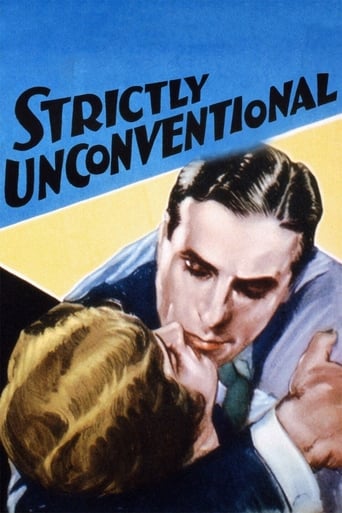
- Directed the MGM pre-Code drama 'Strictly Unconventional' (1930) based on W. Somerset Maugham's play
- Co-directed the epic Western 'Fighting Caravans' (1931) starring Gary Cooper
- Helmed the musical 'Let's Fall in Love' (1933) which helped popularize the title song
- Directed Carole Lombard in the Columbia Pictures drama 'Lady by Choice' (1934)
Best Known For
Must-See Films
Accolades
Special Recognition
- Recognized as a key figure in the early sound transition at MGM
Working Relationships
Worked Often With
Studios
Why They Matter
Impact on Culture
David Burton played a vital role in the technical and artistic transition from silent films to 'talkies.' By bringing his Broadway expertise to MGM and Paramount, he helped establish the standards for dialogue delivery and dramatic pacing in early sound cinema. His films, while often classified as 'B-pictures' or mid-tier studio fare, provided essential entertainment during the Great Depression and helped solidify the star personas of actors like Carole Lombard.
Lasting Legacy
Burton's legacy lies in his contribution to the 'Golden Age' studio system as a versatile and dependable director. While not as widely studied as auteur directors of the era, his filmography represents the backbone of 1930s Hollywood production. He is remembered by film historians for his ability to adapt prestigious stage plays into successful cinematic experiences.
Who They Inspired
He influenced the early sound era's approach to 'pre-Code' dramas, blending theatrical sensibilities with the emerging visual language of sound cinema.
Off Screen
Burton was born in Odessa and emigrated to the United States, where he became a naturalized citizen. He spent much of his later life in New York City following his retirement from the Hollywood studio system.
Education
Trained in theater direction and production in the early 20th century.
Did You Know?
- Before moving to Hollywood, he was a highly successful Broadway director with credits dating back to 1909.
- He co-directed 'Fighting Caravans' with Otto Brower, a film notable for its large-scale production values.
- Burton appeared as himself in the 1930 film 'Free and Easy'.
- His film 'Strictly Unconventional' was based on the W. Somerset Maugham play 'The Circle'.
- He was born in the same city as famous film theorist Sergei Eisenstein (Odessa).
- His active years covered the transition from the height of the silent era's stage influence to the established studio system of the early 1940s.
Frequently Asked Questions
Who was David Burton?
Russian-born American on YTB.my. He is best known for directing a variety of films for major studios like MGM and Paramount during the 1930s.
What films is David Burton best known for?
Titles linked here include Strictly Unconventional (1930), The Bishop Murder Case (1930).
When was David Burton born and when did he die?
Born May 22, 1877; died December 30, 1963.
What was David Burton's directing style?
Burton utilized a theatrical directing style that focused on strong dialogue and character performances, a skill he refined during his years as a Broadway producer and director.
Did David Burton win any awards?
While David Burton did not win major competitive awards like the Oscar, he was highly regarded as a reliable and skilled craftsman within the Hollywood studio system during the Golden Age.