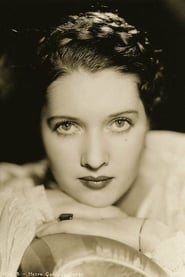
Wera Engels
Actor
Born: May 12, 1904 in Kiel, Germany Died: November 16, 1988 Active: 1926-1937
Films
1 film
About Wera Engels
German-born actress: international the silent era and the early years of the sound revolution. Born in Kiel as the daughter of a naval officer, she spent her early childhood in the German colony of Tsingtau and Japan before returning to Germany for her education. She made her film debut in 1926 with a leading role in 'Mädchenhandel' and quickly established herself as a versatile talent in German, French, and British productions. In 1932, she was recruited by RKO Pictures and moved to Hollywood, where the studio attempted to market her as a European rival to stars like Greta Garbo and Marlene Dietrich. Although she appeared in several notable films such as 'The Great Jasper' (1933) and 'Hong Kong Nights' (1935), she struggled to achieve top-tier stardom in the American market. After a brief return to Germany in the mid-1930s, she eventually settled back in the United States, where she married fellow actor Ivan Lebedeff and remained until his death in 1953.
The Craft
On Screen
Engels was known for her sophisticated and exotic screen presence, often cast in roles that required a 'continental' allure. Her ability to speak fluent German, French, and English allowed her to transition seamlessly between international film industries during the early talkie era. Critics often noted her poise and dramatic intensity, which led studios to position her as a dramatic leading lady in the vein of the era's great European imports.
Milestones
- Leading role debut in 'Mädchenhandel' (1926)
- Signed a major contract with RKO Pictures in Hollywood (1932)
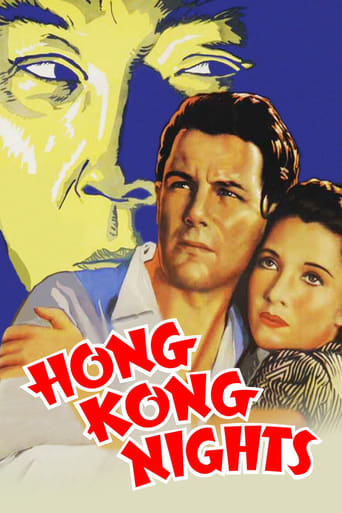
- Starring role in the thriller 'Hong Kong Nights' (1935)
- Featured in the international production 'The Great Impersonation' (1935)
- Collaborated with director Marcel L'Herbier in France
Best Known For
Iconic Roles
Must-See Films
Accolades
Special Recognition
- Recognized as a prominent German export to Hollywood during the 1930s
Working Relationships
Worked Often With
Studios
Why They Matter
Impact on Culture
Wera Engels represented the wave of European talent that Hollywood studios aggressively recruited in the early 1930s to capitalize on the 'exotic' appeal of foreign stars. While she did not reach the status of Garbo, her career reflects the highly international nature of the film industry during the transition from silent to sound cinema. She was part of a specific group of actresses who helped bridge the gap between European art house sensibilities and American genre filmmaking.
Lasting Legacy
Engels is remembered today as a significant figure in the 'Poverty Row' and B-movie history of Hollywood's Golden Age, particularly for her work in thrillers and dramas. Her friendship with Mary Pickford is a notable footnote in Hollywood history, evidenced by the fact that her remains were interred in the Pickford family plot. She remains a subject of interest for historians of German cinema and the 'emigré' experience in California.
Who They Inspired
Her career served as a template for international actors attempting to navigate the studio system, highlighting both the opportunities and the typecasting challenges faced by non-American performers in the 1930s.
Off Screen
Wera Engels was the daughter of a German naval officer, which led to an upbringing in various international locations including Japan. She was married twice; her first marriage in 1928 granted her British citizenship. In Hollywood, she was known for her social circle and was a close personal friend of film icon Mary Pickford. She later married the Russian-born actor and writer Ivan Lebedeff in 1941, and the couple remained together until his death in 1953. In her later years, she returned to Germany and lived in the Munich area.
Education
Educated in Wiesbaden, Germany, after returning from Japan and China.
Family
- Ivan Lebedeff (1941–1953)
Did You Know?
- She lived in the German colony of Tsingtau (China) and Japan until 1909.
- Hollywood producers marketed her as a 'cheap alternative' to Greta Garbo.
- She was a very close friend of Mary Pickford and is buried in the Pickford family plot at Forest Lawn.
- She was fluent in German, French, and English, which helped her work in three different national film industries.
- She had a brief romantic relationship with Gary Cooper before marrying Ivan Lebedeff.
- After her husband's death, she lived with the widow of Heinrich Hoffmann, Hitler's personal photographer.
- She made a final, brief appearance in the 1967 film 'Fast ein Held' after decades of retirement.
In Their Own Words
I have always felt that the camera captures the soul of the character, not just the face of the actress.
Frequently Asked Questions
Who was Wera Engels?
German-British actress active during the 1920s and 1930s. She is best known for her transition from European cinema to Hollywood, where she starred in several RKO and independent productions.
What films is Wera Engels best known for?
Titles linked here include Hong Kong Nights (1935), The Great Jasper (1933).
When was Wera Engels born and when did she die?
Born May 12, 1904; died November 16, 1988.
Was Wera Engels related to Mary Pickford?
They were not related by blood, but they were very close friends. Their bond was so strong that Engels was eventually buried in the Pickford family plot at Forest Lawn Memorial Park.
What was Wera Engels' acting style?
She was known for a sophisticated, 'continental' style of acting. Studios often cast her in mysterious or aristocratic roles to utilize her European accent and elegant screen presence.