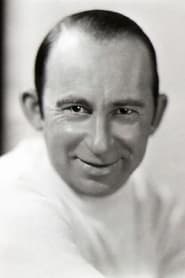
Roscoe Ates
Actor
Born: January 20, 1895 in Grange, Mississippi, USA Died: March 1, 1962 Active: 1929-1962
Films
3 films
About Roscoe Ates
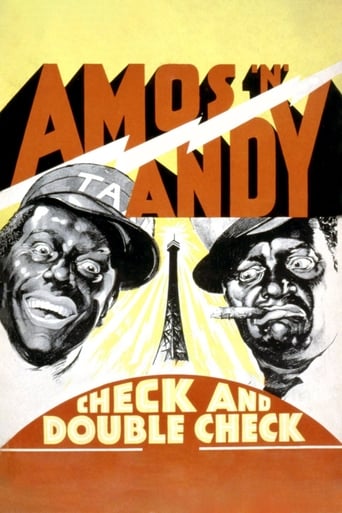
Distinctive character actor: over three decades in Hollywood, beginning in the early sound era. Born in Mississippi in 1895, Ates first gained recognition as a vaudeville performer before transitioning to films in 1929. His breakthrough came with his memorable role as Horatio Jackson in 'Check and Double Check' (1930), where his signature stuttering delivery style became his trademark. Throughout the 1930s and 1940s, he appeared in over 200 films, often playing comic relief roles in Westerns, comedies, and dramas. Ates worked with major studios including MGM, Universal, and Republic Pictures, becoming one of Hollywood's most recognizable character actors. In the 1950s, he successfully transitioned to television, appearing in popular series such as 'The Lone Ranger' and 'Gunsmoke'. His career continued until his death in 1962, leaving behind a legacy as one of early cinema's most distinctive comic performers.
The Craft
On Screen
Roscoe Ates developed a unique acting style centered around his famous stuttering delivery, which he used to great comedic effect. His timing was impeccable, using his speech pattern to create rhythm and humor in his performances. Ates specialized in playing nervous, excitable, or befuddled characters, often serving as comic relief in dramatic films. Despite his comic persona, he was a versatile actor who could handle both comedy and drama with equal skill. His physical comedy, combined with his verbal delivery, made him a memorable presence in any production.
Milestones
- Breakthrough role in 'Check and Double Check' (1930)
- Appeared in over 200 films during his career
- Transitioned successfully to television in the 1950s
- Became one of Hollywood's most recognizable character actors with his distinctive stuttering delivery
- Regular performer in Republic Pictures Westerns
Best Known For
Iconic Roles
Must-See Films
Accolades
Special Recognition
- Hollywood Walk of Fame star (6323 Hollywood Blvd)
Working Relationships
Worked Often With
Studios
Why They Matter
Impact on Culture
Roscoe Ates made a significant impact on early sound cinema by demonstrating how speech impediments could be turned into comedic assets rather than liabilities. His success paved the way for other performers with unique vocal characteristics to find their place in Hollywood. Ates became an archetype of the nervous comic sidekick, a character type that would appear frequently in American cinema throughout the 1930s and 1940s. His work helped establish the importance of character actors in supporting roles, showing how memorable performances could elevate otherwise standard productions.
Lasting Legacy
Roscoe Ates left a lasting legacy as one of early Hollywood's most distinctive character actors. His signature stuttering delivery became so iconic that it influenced generations of comedians and voice actors. Though often typecast, Ates brought dignity and humor to every role, proving that character actors could become beloved figures in their own right. His extensive filmography serves as a valuable record of Hollywood's studio system era, and his performances continue to be studied by film scholars interested in early sound comedy. Ates represents an era when unique personal characteristics could become the foundation for a successful career in entertainment.
Who They Inspired
Roscoe Ates influenced numerous performers who followed, particularly in the realm of character acting and comedic delivery. His success showed studios that distinctive vocal patterns could be marketable traits rather than obstacles. Later comedians, including Mel Blanc in his various Looney Tunes characters, drew inspiration from Ates's ability to turn speech patterns into comedy. His work in Western sidekick roles helped establish the template for comic relief in the genre that would be followed by actors like Gabby Hayes and Walter Brennan. Ates's career demonstrated the value of character actors in creating memorable, bankable personalities that audiences could recognize and anticipate across multiple films.
Off Screen
Roscoe Ates married three times during his life. His first marriage was to Ethel Smith in 1922, which ended in divorce. He later married Leonora Belle, and finally to actress Arline Pretty in 1935, with whom he remained until her death in 1951. Ates was known for his generosity and was well-liked by his colleagues in Hollywood. Despite his comic persona on screen, those who knew him described him as a serious and thoughtful individual off-screen. He struggled with health issues in his later years but continued working almost until his death.
Education
Limited formal education; largely self-taught through vaudeville experience
Family
- Ethel Smith (1922-1928)
- Leonora Belle (1929-1934)
- Arline Pretty (1935-1951)
Did You Know?
- His stuttering was genuine, not just an acting affectation
- He appeared in over 200 films during his 33-year career
- Before films, he was a successful vaudeville performer
- His role in 'Check and Double Check' was his breakthrough performance
- He often played characters named 'Roscoe' in his films
- Ates — talented musician who could play multiple instruments
- He continued working even after being diagnosed with cancer
- His final film appearance was in 'The Man Who Shot Liberty Valance' (1962)
- He was one of the few actors to successfully transition from silent films to talkies with a speech impediment
- His distinctive voice made him popular in radio as well as film
In Their Own Words
I-I-I d-d-don't know what to say!
Well, I'll be d-d-dogged!
N-n-now hold on there, partner!
Th-th-that's the funniest thing I ever heard!
M-m-maybe we should think this over
Frequently Asked Questions
Who was Roscoe Ates?
American character with credits in this catalog. He appeared in over 200 films from 1929 to 1962, becoming one of Hollywood's most recognizable supporting actors during the Golden Age of cinema.
What films is Roscoe Ates best known for?
Titles linked here include Check and Double Check (1930), The Big Broadcast (1932).
When was Roscoe Ates born and when did he die?
Born January 20, 1895; died March 1, 1962.
What awards did Roscoe Ates win?
While Roscoe Ates did not receive major acting awards during his lifetime, he was honored with a star on the Hollywood Walk of Fame at 6323 Hollywood Blvd for his contributions to the film industry.
What was Roscoe Ates's acting style?
Roscoe Ates developed a unique acting style centered around his genuine stutter, which he transformed into a comedic trademark. He specialized in playing nervous, excitable characters with impeccable comic timing, using both his distinctive speech pattern and physical comedy to create memorable performances.