
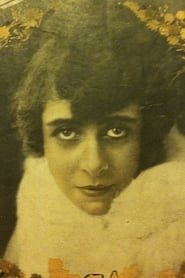
Lottie Lyell
Actor
Born: February 23, 1890 in Balmain, Sydney, New South Wales, Australia Died: December 21, 1925 Active: 1911-1925 Birth Name: Charlotte Edith Cox
Films
1 film
About Lottie Lyell
Lottie Lyell (born Charlotte Edith Cox) was an Australian actress, screenwriter, and director who became figures in early Australian cinema. She began her career on the stage before transitioning to films in 1911, quickly establishing herself as a talented performer in the burgeoning Australian film industry. Her collaboration with director Raymond Longford proved to be both professionally fruitful and personally intimate, resulting in some of Australia's most important silent films. Lyell's breakthrough role came in 'The Sentimental Bloke' (1919), where she played Doreen, a performance that showcased her naturalistic acting style and emotional depth. Beyond acting, she was actively involved in screenwriting, editing, and even directing, making her one of the earliest women in the world to take on multiple creative roles in filmmaking. Her career was tragically cut short when she died of tuberculosis at age 35 in 1925, leaving behind a legacy as one of Australia's most important early film pioneers.
The Craft
On Screen
Naturalistic and emotionally authentic, Lyell brought a subtle realism to her performances that was ahead of her time. She avoided the exaggerated gestures common in silent cinema, instead relying on nuanced facial expressions and genuine emotional connection with her characters. Her style was particularly effective in conveying the quiet dignity and inner strength of working-class women, making her relatable to Australian audiences of the era.
Milestones
- Stage debut in 1910
- First film role in 'The Romantic Story of Margaret Catchpole' (1911)
- Breakthrough performance in 'The Sentimental Bloke' (1919)
- Co-wrote screenplay for 'The Blue Mountains Mystery' (1921)
- Became one of Australia's first female film directors
- Formed successful creative partnership with Raymond Longford
Best Known For
Iconic Roles
Must-See Films
Accolades
Won
- Posthumously inducted into the Australian Film Walk of Fame (2008)
- Lottie Lyell Award established by Australian Directors Guild in her honor
Nominated
- No formal awards were established during her active period
Special Recognition
- The Lottie Lyell Award (Australian Directors Guild) recognizes outstanding female directors
- Featured in Australian National Film and Sound Archive's 'Women in Film' exhibition
- Subject of documentary 'Lottie: The Life and Legacy of Lottie Lyell' (2019)
Working Relationships
Worked Often With
Studios
Why They Matter
Impact on Culture
Lottie Lyell fundamentally shaped Australian cinema during its formative years, helping establish a distinctly Australian voice in film that rejected British and American imitations. Her work in 'The Sentimental Bloke' created a template for Australian storytelling that emphasized working-class characters, authentic settings, and colloquial language. As one of the world's earliest female film directors and screenwriters, she paved the way for women in film production at a time when such roles were virtually inaccessible to women. Her naturalistic acting style influenced Australian performance traditions, moving away from theatrical artificiality toward more authentic cinematic expression.
Lasting Legacy
Lottie Lyell's legacy extends far beyond her filmography; she represents a spirit in Australian cinema and women's participation in the film industry. The Lottie Lyell Award, established by the Australian Directors Guild, continues to honor female directors who demonstrate exceptional talent and perseverance. Her films, particularly 'The Sentimental Bloke,' remain touchstones of Australian cinema history, regularly featured in retrospectives and film studies courses. Scholars and filmmakers continue to rediscover her contributions, recognizing her as a crucial figure who helped define Australian national identity through cinema.
Who They Inspired
Lyell's influence on Australian cinema is profound, particularly in establishing authentic Australian narratives and characters that resonated with local audiences. Her collaborative approach to filmmaking, particularly with Raymond Longford, demonstrated the power of creative partnerships in the industry. As a woman who successfully navigated multiple roles in early film production, she inspired subsequent generations of Australian women filmmakers. Her emphasis on realistic storytelling and character-driven narratives influenced the development of Australian cinema's distinctive voice, setting a standard that filmmakers continue to aspire to.
Off Screen
Lottie Lyell's personal life was closely intertwined with her professional partnership with Raymond Longford, with whom she shared both creative collaboration and a romantic relationship. Despite never marrying, they were lifelong companions and creative partners who lived together for many years. Her battle with tuberculosis, which ultimately claimed her life at age 35, was kept largely private from the public, though it affected her ability to work in her final years. She was known for her intelligence, wit, and progressive views on women's roles in society and the arts.
Education
Limited formal education, trained in theater through practical experience and mentorship from established actors and directors
Family
- Raymond Longford (partner, never married, 1911-1925)
Did You Know?
- Was one of the first women in the world to direct feature films
- Wrote over 20 screenplays during her career
- Was
- She and Raymond Longford formed their own production company, Longford-Lyell Australian Productions
- Her real name was Charlotte Edith Cox, but she used 'Lottie Lyell' professionally
- Died of tuberculosis at age 35, cutting short a remarkable career
- Was known for her advocacy of women's rights both on and off screen
- Her films were often censored for their realistic depiction of working-class life
- Helped establish Australian cinema's independence from British and American models
- The National Film and Sound Archive of Australia holds extensive collections of her work
In Their Own Words
I believe Australian stories should be told by Australians, for Australians
The camera doesn't lie, so we must be truthful in our storytelling
Women have as much right as men to stand behind the camera as well as in front of it
Our films should reflect the real Australia, not some imagined version from abroad
Frequently Asked Questions
Who was Lottie Lyell?
Australian actress, screenwriter, and on YTB.my. She starred in the landmark film 'The Sentimental Bloke' (1919) and was one of the world's earliest female film directors, working primarily in the silent era before her untimely death in 1925.
What films is Lottie Lyell best known for?
Titles linked here include The Sentimental Bloke (1919), The Romantic Story of Margaret Catchpole (1911).
When was Lottie Lyell born and when did she die?
Born February 23, 1890; died December 21, 1925.
What awards did Lottie Lyell win?
During her lifetime, formal film awards did not exist in Australia. However, she has been posthumously honored with induction into the Australian Film Walk of Fame (2008), and the Australian Directors Guild established the Lottie Lyell Award in her honor to recognize outstanding female directors.
What was Lottie Lyell's acting style?
Lottie Lyell was known for her naturalistic and emotionally authentic acting style, which was ahead of its time in silent cinema. She avoided exaggerated gestures common in the era, instead using subtle facial expressions and genuine emotional connection, particularly excelling at portraying working-class women with quiet dignity and inner strength.