Films
1 film
About Nikolay Karmazinskiy
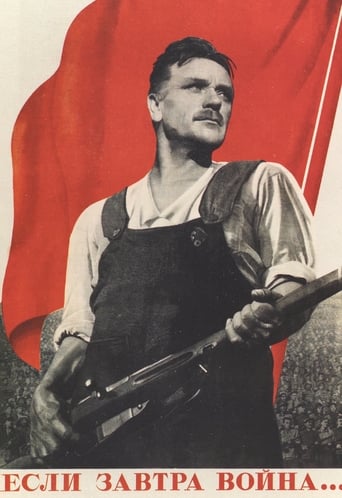
Soviet filmmaker active during the late 1930s, a period marked by increasing political tensions in Europe and the rise of propaganda cinema in the Soviet Union. His sole credited directorial work was 'If War Comes Tomorrow' (1938), a film that reflected the era's growing anxieties about impending global conflict. Working within the state-controlled Soviet film industry, Karmazinskiy would have been subject to the strict artistic and ideological guidelines imposed by Stalin's cultural policies. The film industry of this period was heavily regulated, with filmmakers often facing significant political pressure to create works that aligned with communist ideology. Unfortunately, detailed records about Karmazinskiy's life, training, or career trajectory are scarce, suggesting he may have been a relatively minor figure within the Soviet cinema system or his career was cut short by the political purges of the late 1930s that affected many artists and intellectuals.
The Craft
Behind the Camera
Likely followed Soviet realist traditions with strong propaganda elements, typical of state-sponsored cinema of the late 1930s
Milestones
- Directed 'If War Comes Tomorrow' (1938)
Best Known For
Must-See Films
Working Relationships
Studios
Why They Matter
Impact on Culture
Nikolay Karmazinskiy's work represents the broader trend of Soviet propaganda cinema in the pre-WWII era, when filmmakers were tasked with creating content that reinforced political messages and prepared the populace for potential conflict. 'If War Comes Tomorrow' would have contributed to the Soviet government's efforts to shape public opinion about the growing international tensions and to promote preparedness for war. While not individually significant, his work is part of the larger tapestry of Soviet cinema history, reflecting how film was used as a tool for political education and social control during Stalin's regime.
Lasting Legacy
Due to the extremely limited documentation of Nikolay Karmazinskiy's career and life, his legacy remains obscure within film history. He represents the thousands of lesser-known filmmakers who worked within state-controlled cinema systems, whose contributions were often subsumed by the larger political and ideological apparatus. His single known film serves as a historical artifact of its time, offering insight into the cultural and political climate of the Soviet Union on the eve of World War II.
Who They Inspired
There is no documented evidence of Nikolay Karmazinskiy's influence on other filmmakers, likely due to his brief and obscure career within the Soviet film industry. Many directors from this period who worked on propaganda films operated within strict constraints and had limited opportunities to develop distinctive artistic voices that could influence subsequent generations.
Off Screen
Very limited information is available about Nikolay Karmazinskiy's personal life, which is not uncommon for Soviet-era filmmakers who were not part of the upper echelon of the cinema hierarchy. Many details about artists from this period were either not documented or lost during the political upheavals of the 20th century.
Did You Know?
- The title 'If War Comes Tomorrow' reflects the widespread anxiety in Europe during 1938 as tensions leading to WWII were escalating
- Soviet cinema in 1938 was under strict state control, with all films requiring approval from government censors
- Many Soviet filmmakers from this era faced political persecution during the Great Purge of 1937-1938
- Propaganda films like Karmazinskiy's were often produced quickly to respond to current political events
- The Soviet film industry in the 1930s was one of the largest in the world, producing hundreds of films annually
Frequently Asked Questions
Who was Nikolay Karmazinskiy?
Soviet on YTB.my.' Very little is documented about his life and career, suggesting he was a relatively minor figure in the Soviet film industry.
What films is Nikolay Karmazinskiy best known for?
Titles linked here include If War Comes Tomorrow (1938).
When was Nikolay Karmazinskiy born and when did he die?
Specific birth and death dates for Nikolay Karmazinskiy are not documented in available historical records, which is not uncommon for lesser-known Soviet filmmakers from this era.
What awards did Nikolay Karmazinskiy win?
There are no documented awards or nominations for Nikolay Karmazinskiy, which is consistent with his status as an obscure filmmaker within the Soviet system.
What was Nikolay Karmazinskiy's directing style?
While specific details about his directing style are not documented, he likely worked within the conventions of Soviet realist cinema and propaganda filmmaking typical of the late 1930s, emphasizing clear political messages and ideological content.