Films
1 film
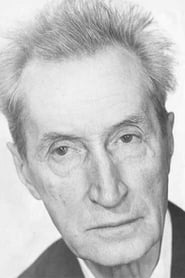
About Yevgeny Gurov
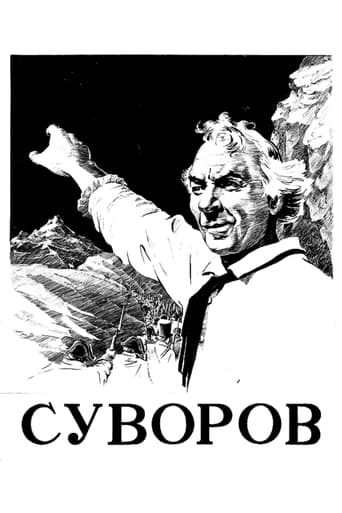
Soviet actor: career, though brief, left a mark during the early years of World War II cinema in the Soviet Union. Born in the early 20th century, Gurov emerged as a character actor Soviet filmmaking when patriotic war films were becoming increasingly important for national morale. His most notable role came in the 1941 historical war film 'General Suvorov,' where he portrayed a character during the production of one of the last major Soviet films before the German invasion deeply affected the film industry. Gurov's acting style embodied the realistic, grounded approach favored by Soviet cinema of the era, focusing on authentic character portrayal rather than theatrical exaggeration. While his filmography appears limited to primarily this single significant role, his contribution to the war-time cinematic landscape of the Soviet Union represents the dedication of artists working under challenging historical circumstances. The timing of his career suggests he may have been called to military service or affected by the disruptions of World War II, potentially curtailing what might have been a longer acting career.
The Craft
On Screen
Realistic and grounded character acting typical of Soviet cinema of the 1940s, focusing on authentic portrayal rather than theatricality
Milestones
- Role in 'General Suvorov' (1941) during the early WWII period
Best Known For
Iconic Roles
Must-See Films
Working Relationships
Studios
Why They Matter
Impact on Culture
Yevgeny Gurov's contribution to Soviet cinema, though limited in scope, represents the important role that character actors played in the war-time film industry of the 1940s. His appearance in 'General Suvorov' came at a crucial historical moment when Soviet cinema was transitioning to serve as a tool for patriotic inspiration during the early years of World War II. The film itself was part of a broader cultural effort to celebrate Russian military heroes and inspire national defense against the German invasion. While Gurov may not have achieved widespread recognition, his work exemplifies the collective effort of Soviet artists who contributed to the war effort through their craft, often under extremely challenging circumstances.
Lasting Legacy
Yevgeny Gurov's legacy is preserved primarily through his participation in 'General Suvorov' (1941), a film that stands as a historical artifact of Soviet cinema during the early WWII period. Though his career appears to have been brief, his contribution represents the many character actors who formed the backbone of Soviet film production during this era. The limited documentation of his career reflects the broader challenge of preserving the complete histories of all contributors to classic cinema, particularly those who worked in supporting roles or whose careers were cut short by historical circumstances. His work serves as a reminder of the countless artists whose contributions, while not extensively recorded, were essential to the creation of the films that have become cultural touchstones.
Who They Inspired
As a character actor with a limited filmography, Yevgeny Gurov's direct influence on subsequent generations of actors is difficult to trace. However, his work in the context of Soviet war cinema of the 1940s contributed to the development of the realistic acting style that would become characteristic of post-war Soviet film. The approach to character portrayal that he and his contemporaries employed helped establish standards for authenticity in Soviet cinema that influenced later generations of actors working in historical and war films.
Off Screen
Very limited information is available about Yevgeny Gurov's personal life, which was not uncommon for character actors of the Soviet era whose biographical details were not extensively documented unless they achieved major stardom. Like many actors of his generation, his life was likely deeply affected by the historical events of World War II, which disrupted many careers in the Soviet film industry.
Did You Know?
- Appeared in 'General Suvorov' (1941), which was released just before Germany's invasion of the Soviet Union in June 1941
- The film 'General Suvorov' was directed by Vsevolod Pudovkin and Mikhail Doller, two prominent Soviet directors
- His career appears to have been confined to the single year of 1941, suggesting it may have been affected by World War II
- The film was one of the last major Soviet productions before the war severely disrupted the film industry
- General Suvorov was a celebrated Russian military commander who never lost a battle, making the film particularly patriotic
- Soviet actors of this era often had multiple careers in theater, film, and sometimes radio
- The film industry in the Soviet Union during this period was state-controlled and focused on patriotic and ideological content
Frequently Asked Questions
Who was Yevgeny Gurov?
Soviet with credits in this catalog.' His career appears to have been brief, possibly cut short by the disruptions of World War II.
What films is Yevgeny Gurov best known for?
Titles linked here include General Suvorov (1941).
When was Yevgeny Gurov born and when did he die?
Specific birth and death dates for Yevgeny Gurov are not readily available in historical records, which was not uncommon for character actors of the Soviet era who did not achieve major stardom.
What awards did Yevgeny Gurov win?
There are no documented awards or nominations for Yevgeny Gurov, which is consistent with many character actors of the period whose contributions were not formally recognized through major honors.
What was Yevgeny Gurov's acting style?
Gurov's acting style reflected the realistic and grounded approach typical of Soviet cinema in the 1940s, focusing on authentic character portrayal rather than theatrical exaggeration, which was favored for war-time patriotic films.