Films
2 films
About Yelizaveta Kuzyurina
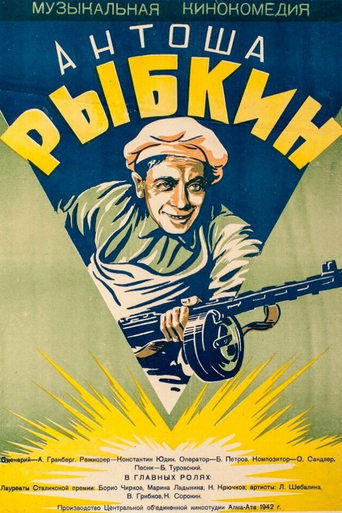
Soviet actress who had a brief but notable career during the early years of World War II, appearing in two significant wartime productions in 1941-1942. Her work coincided with the Soviet Union's entry into the Great Patriotic War, a period when cinema was mobilized for patriotic purposes and morale-boosting content. Yelizaveta appears in 'Collection of Films for the Armed Forces #6' (1941), which was part of a series of wartime newsreels and short films designed to support soldiers and civilians during the conflict. Her role in 'Antosha Rybkin' (1942), a comedy film directed by Konstantin Yudin, represented one of the lighter entertainment offerings produced during the darkest days of the war. Like many Soviet actors of her generation, her career was likely impacted by the tremendous upheaval of the wartime period, with many film professionals being called to military service or evacuated to Central Asia. Her filmography, though brief, places her within the important tradition of Soviet wartime cinema that served both entertainment and propaganda functions. The limited scope of her known work suggests she may have been a character actress or someone whose career was cut short by the circumstances of war.
The Craft
Milestones
- Appeared in wartime propaganda film 'Collection of Films for the Armed Forces #6' (1941)
- Acted in popular wartime comedy 'Antosha Rybkin' (1942)
- Worked during the critical early period of Soviet involvement in World War II
Best Known For
Iconic Roles
Must-See Films
Working Relationships
Worked Often With
Studios
Why They Matter
Impact on Culture
Yelizaveta Kuzyurina's contribution to Soviet cinema, though brief, represents the collective effort of countless actors and filmmakers who worked to maintain cultural production during. Her participation in wartime cinema reflects the crucial role that film played in maintaining morale and providing entertainment during the Great Patriotic War. The films she appeared in, particularly 'Antosha Rybkin,' were part of the Soviet cinema tradition of using comedy as a means of psychological support for both soldiers on the front lines and civilians on the home front. While her individual contribution may be difficult to assess due to limited documentation, she was part of an important cultural movement that helped sustain the Soviet people during their darkest hours. The preservation of these films ensures that even minor contributors like Kuzyurina are remembered as part of the broader tapestry of wartime cultural resistance and resilience.
Lasting Legacy
Yelizaveta Kuzyurina's legacy is preserved through the surviving films from her brief career, which serve as historical artifacts of Soviet wartime cinema. Her work in 'Antosha Rybkin' and the 'Collection of Films for the Armed Forces' represents the type of cultural production that was essential to maintaining Soviet morale during World War II. While she may not be widely remembered by name, her contribution is part of the collective memory of how Soviet cinema responded to the national crisis. These films continue to be studied by film historians interested in wartime propaganda, Soviet comedy traditions, and the ways in which cinema was mobilized for national defense. Her brief film career exemplifies how many actors of the era made important contributions despite limited opportunities or short careers, often overshadowed by more prominent stars but nonetheless essential to the cultural landscape of their time.
Who They Inspired
Due to the brief nature of her career and limited documentation, specific information about Yelizaveta Kuzyurina's influence on other actors or filmmakers is not available. However, her participation in Soviet wartime cinema places her within the broader tradition of actors who contributed to the cultural war effort, a legacy that influenced subsequent generations of Soviet and Russian filmmakers who explored wartime themes in their work.
Off Screen
Very little is known about Yelizaveta Kuzyurina's personal life, which is not uncommon for supporting actors from the Soviet wartime era whose biographical details were not extensively documented.
Did You Know?
- Appeared in films during the first two years of Soviet involvement in World War II
- Worked in 'Antosha Rybkin' which was one of the few comedy productions during the early war years
- Participated in the 'Collection of Films for the Armed Forces' series which was specifically created for military audiences
- Her entire known filmography consists of only two films from consecutive years
- Like many Soviet actors of the era, her career may have been interrupted by wartime service or evacuation
- The films she appeared in were produced by Soviet state studios as part of the national war effort
- Her work represents the tradition of character actors who supported leading players in ensemble casts
- The brief span of her known career (1941-1942) coincides with some of the most difficult years of the war for the Soviet Union
Frequently Asked Questions
Who was Yelizaveta Kuzyurina?
Screen credits include two films during the early years of World War II, specifically in 1941 and 1942. She is known for her roles in 'Collection of Films for the Armed Forces #6' and the wartime comedy 'Antosha Rybkin'.
What films is Yelizaveta Kuzyurina best known for?
Titles linked here include Antosha Rybkin (1942), Collection of Films for the Armed Forces #6 (1941).
When was Yelizaveta Kuzyurina active in film?
Yelizaveta Kuzyurina's known film active years covered only two years, from 1941 to 1942, which coincided with the Soviet Union's entry into World War II and the early, most difficult period of the Great Patriotic War.
What was the significance of the films Yelizaveta Kuzyurina appeared in?
The films were significant as part of Soviet wartime cinema efforts. 'Collection of Films for the Armed Forces' was created specifically to support military personnel, while 'Antosha Rybkin' was one of the rare comedy productions during the early war years, designed to provide entertainment and maintain civilian morale.
Why is so little known about Yelizaveta Kuzyurina?
Limited information about Yelizaveta Kuzyurina is common for supporting actors from the Soviet wartime era, as many biographical details were not extensively documented and careers were often interrupted by the war. Her brief filmography and the chaotic nature of wartime record-keeping contribute to the scarcity of information.