
Granville Redmond
Actor
Born: March 9, 1871 in Philadelphia, Pennsylvania, USA Died: May 24, 1935 Active: 1918-1935 Birth Name: Granville Richard Seymour Redmond
Films
2 films
About Granville Redmond
Granville Richard Seymour Redmond — remarkable American artist and actor who overcame profound deafness to become both a celebrated landscape painter and a familiar face in silent cinema. Born in Philadelphia in 1871, he lost his hearing at age two due to scarlet fever, which led his family to move to California where he could attend the California School for the Deaf in Berkeley. Redmond showed artistic promise early on, studying under notable teachers and later refining his skills in Paris at the Académie Julian. He became renowned for his California landscape paintings, particularly his scenes of poppy fields and coastal vistas, which captured the state's natural beauty with a distinctive impressionistic style. His friendship with Charlie Chaplin led to appearances in several of Chaplin's films, where his expressive face and gestures made him an effective silent film actor. Despite his hearing impairment, Redmond communicated effectively through sign language, written notes, and his profound artistic expressions. His painting 'The Burning of San Francisco' was prominently featured in Chaplin's 'City Lights' (1931), bringing his artistic work to international attention. Redmond continued painting until his death in 1935, leaving behind a legacy as both an important California Impressionist painter and a deaf artist who succeeded in multiple artistic mediums.
The Craft
On Screen
As a silent film actor, Redmond relied heavily on facial expressions and physical gestures to convey emotions and character, skills honed through his experience as a deaf individual communicating visually. His natural, understated presence made him ideal for background and supporting roles in Chaplin's ensemble casts.
Milestones
- Graduated from California School for the Deaf (1890)
- Studied art in Paris at Académie Julian (1893-1895)
- First solo art exhibition in San Francisco (1899)
- Began film career with Charlie Chaplin (1918)
- Featured painting in Chaplin's 'City Lights' (1931)
- Elected to the California Art Club (1920s)
- Major retrospective of work at the De Young Museum (posthumous)
Best Known For
Iconic Roles
Must-See Films
Accolades
Won
- Gold Medal for painting, Panama-Pacific International Exposition (1915)
- First Prize, California State Fair (multiple years in 1920s)
- Prize for Best Landscape Painting, San Francisco Art Association (1924)
Nominated
- Member selection, National Academy of Design (1928)
Special Recognition
- Elected member of the California Art Club
- Works featured in permanent collections of major museums including Los Angeles County Museum of Art, Laguna Art Museum, and California State Capitol
- Posthumous induction into the Deaf Artists Hall of Fame
Working Relationships
Worked Often With
Studios
Why They Matter
Impact on Culture
Granville Redmond's dual career as both a celebrated painter and film actor made him a figure for artists with disabilities. His success in the mainstream art world and Hollywood during the early 20th century challenged prevailing stereotypes about deaf individuals' capabilities. Redmond's paintings helped define the California Impressionist movement, capturing the state's natural beauty during a period of rapid transformation and growth. His friendship with Charlie Chaplin and appearances in Chaplin's films brought visibility to deaf artists in popular culture at a time when disability representation was virtually nonexistent in media. The inclusion of his artwork in 'City Lights' represented a unique convergence of fine art and cinema, introducing his paintings to millions of film viewers worldwide.
Lasting Legacy
Granville Redmond's legacy endures through his significant contributions to California Impressionism and his groundbreaking presence in early Hollywood as a deaf actor. His paintings are considered important historical documents of California's landscape before extensive development, and his works command high prices in art auctions. Redmond is remembered as an inspiration to deaf artists and individuals with disabilities, demonstrating that physical limitations need not restrict artistic achievement. Several books and documentaries have been produced about his life, and his paintings continue to be exhibited in major museums across California and beyond. His story remains proof of the power of artistic expression to transcend communication barriers.
Who They Inspired
Redmond influenced subsequent generations of California landscape painters through his distinctive style and use of color. His success in both fine arts and cinema paved the way for other deaf artists to pursue careers in the entertainment industry. Chaplin's friendship with Redmond and his efforts to include deaf performers in his films helped raise awareness about deaf culture in Hollywood. Redmond's ability to communicate emotion through visual media, both in his paintings and film performances, demonstrated the power of non-verbal artistic expression that continues to influence contemporary visual artists and performers.
Off Screen
Granville Redmond married Carrie Ann Jean in 1899, and they had three children together. Despite his deafness, he maintained an active social life within both the deaf community and the broader art world. He was known for his warm personality and ability to communicate effectively through writing and sign language. The family lived primarily in Los Angeles, where Redmond maintained his art studio and participated in the thriving arts scene. His friendship with Charlie Chaplin was particularly significant, as Chaplin learned American Sign Language to communicate with him and often used Redmond's home as a quiet retreat for scriptwriting.
Education
Family
- Carrie Ann Jean (1899-1935)
Did You Know?
- Redmond lost his hearing at age 2-3 due to scarlet fever
- Charlie Chaplin learned American Sign Language to communicate with Redmond
- His painting style was influenced by the French Barbizon school and California's natural light
- Redmond appeared in seven Charlie Chaplin films between 1918 and 1931
- His paintings often featured California poppies, which became his signature subject
- Chaplin gave Redmond a studio on his movie lot where he could paint between takes
- Redmond's most famous painting 'The Burning of San Francisco' was inspired by the 1906 earthquake
- He was one of the first deaf actors to appear regularly in Hollywood films
- Redmond's art was so popular that he was able to support his family solely through painting during the Great Depression
- His deafness actually enhanced his visual perception, contributing to his exceptional eye for color and composition
In Their Own Words
"I can see better than those who can hear, for my eyes have learned to compensate for what my ears cannot perceive." (attributed to Redmond in interviews about his art)
"Painting is my voice, my canvas is my words, and colors are my emotions." (often quoted by art historians describing Redmond's philosophy)
Frequently Asked Questions
Who was Granville Redmond?
Deaf American artist and with credits in this catalog.
What films is Granville Redmond best known for?
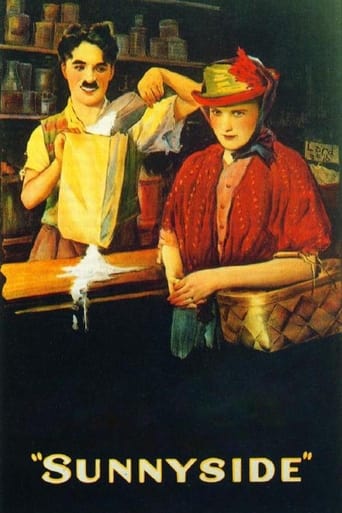
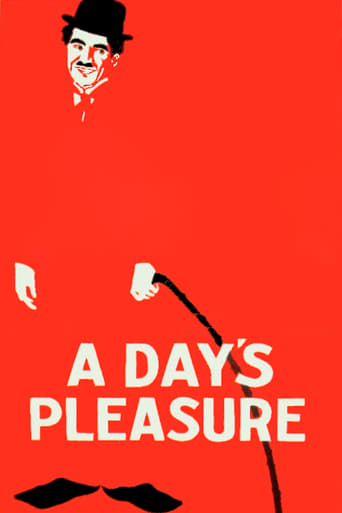
Titles linked here include Sunnyside (1919), A Day's Pleasure (1919).
When was Granville Redmond born and when did he die?
Born March 9, 1871; died May 24, 1935.
What awards did Granville Redmond win?
Redmond won a Gold Medal at the 1915 Panama-Pacific International Exposition, multiple first prizes at the California State Fair in the 1920s, and was elected to prestigious art organizations like the California Art Club.
What was Granville Redmond's artistic style?
Redmond — California Impressionist known for his landscape paintings featuring vibrant colors, particularly his famous poppy field scenes, and as a silent film actor who used expressive gestures and facial features to convey emotion.