
Films
2 films
About John Foster
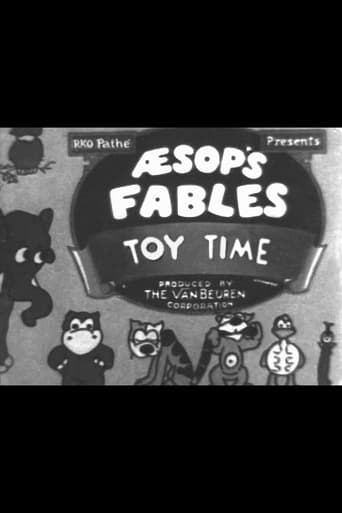
John Foster (1886-1959) was an American animator and film director who in the early development of animated cinema during the transition from silent films to sound. He began his career in animation during the 1920s, working with studios that helped establish the medium as a legitimate art form. Foster's most productive period came during the early 1930s when he directed numerous animated shorts for Van Beuren Studios, including 'Toy Time' (1931) and 'Magic Art' (1932). He was particularly known for his work on the early Tom and Jerry cartoon series (not to be confused with the later MGM characters) and various other animated shorts that pushed the boundaries of what was possible in early sound animation. Throughout his career, Foster adapted to the rapidly changing technology and artistic demands of the animation industry, working with multiple studios including Van Beuren, Fleischer Studios, and later Famous Studios. His directing style emphasized visual gags and synchronized sound effects, which were revolutionary techniques for the era. Foster continued working in animation through the 1940s and 1950s, contributing to the medium's evolution from simple novelty to sophisticated entertainment.
The Craft
Behind the Camera
Known for emphasizing visual comedy and synchronized sound effects in early animation, focusing on slapstick humor and innovative animation techniques that took advantage of new sound technology
Milestones
- Directed early Van Beuren Studio cartoons (1931-1932)
- Worked on the original Tom and Jerry series
- Contributed to early sound animation techniques
- Directed numerous theatrical animated shorts
- Worked for multiple major animation studios throughout his career
Best Known For
Iconic Roles
Must-See Films
Accolades
Special Recognition
- Recognized as an animation pioneer in early sound era
Working Relationships
Worked Often With
Studios
Why They Matter
Impact on Culture
John Foster contributed significantly to the development of early sound animation during a crucial transitional period in cinema history. His work at Van Beuren Studios helped establish many of the foundational techniques for synchronizing animation with sound effects and music, which would become standard practice in the industry. The cartoons he directed, while not as well-remembered as Disney's or Warner Bros.' output, represented important steps in the evolution of animated storytelling and technical innovation. His emphasis on visual comedy and timing influenced the broader development of animation as an art form.
Lasting Legacy
John Foster's legacy lies in his contributions to the technical and artistic development of early sound animation. While not as famous as some of his contemporaries, his work helped pave the way for the sophisticated animation techniques that would follow. The films he directed during the early 1930s represent important artifacts from a transitional period in animation history, showcasing how animators adapted to new sound technology. His career spanning multiple decades and studios demonstrates the versatility required of animation professionals during the medium's formative years.
Who They Inspired
Foster's technical innovations in sound synchronization and his approach to animated comedy influenced subsequent generations of animators. His work demonstrated the potential of sound-enhanced animation at a time when many studios were still figuring out how to effectively integrate audio with visual elements. The techniques he helped develop at Van Beuren Studios contributed to the broader evolution of animation as a sophisticated entertainment medium.
Off Screen
Limited information is available about John Foster's personal life, as was common for many animation industry professionals of his era who worked behind the scenes.
Education
Specific educational background not documented, typical of many early animators who learned through apprenticeship and on-the-job training
Did You Know?
- Worked during the transition from silent to sound animation
- Directed cartoons for Van Beuren Studios during their peak production years
- The Tom and Jerry series he worked on was different from the more famous MGM version
- Early sound animation required innovative synchronization techniques that Foster helped develop
- Van Beuren Studios closed in 1936, forcing many animators including Foster to find work elsewhere
- Many of Foster's films are now considered lost or exist only in fragments
- His active years covered from the silent era through the golden age of theatrical animation
- Early animators like Foster often worked anonymously, with credits rarely given to individuals
- The animation industry of the 1930s was highly competitive, with studios constantly innovating to attract audiences
- Foster's work represents an important but often overlooked chapter in animation history
Frequently Asked Questions
Who was John Foster?
What films is John Foster best known for?
When was John Foster born and when did he die?
Born 1886; died 1959.
What awards did John Foster win?
While John Foster did not receive major formal awards during his career, he is recognized as an important pioneer in early sound animation. His contributions to the technical development of synchronized sound in cartoons earned him recognition among animation historians as an influential figure in the medium's early development.
What was John Foster's directing style?
John Foster's directing style emphasized visual comedy and innovative use of synchronized sound effects, which were revolutionary techniques in early animation. He focused on slapstick humor and timing that took advantage of new sound technology, helping establish many foundational techniques for sound animation that would become industry standards.