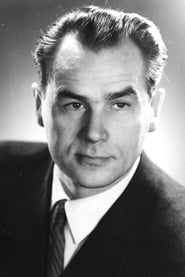
Georg Ots
Actor
Born: March 21, 1920 in Petrograd (now Saint Petersburg), Russia Died: September 5, 1975 Active: 1944-1975 Birth Name: Georg Karlovich Ots
Films
1 film
About Georg Ots
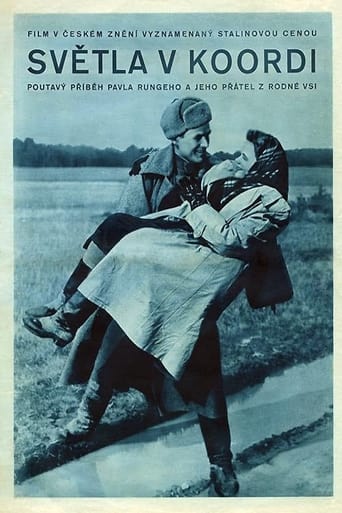
Renowned Estonian baritone and actor who achieved international acclaim both as an opera singer and film performer. Born into a musical family, he received his early musical education from his father, conductor Karl Ots, before studying at the Tallinn Conservatory where he graduated in 1951. His breakthrough came in 1949 when he joined the Estonia Theatre as a soloist, quickly becoming opera performers in the Soviet Union. Ots's film career, though secondary to his musical achievements, included the notable appearance in 'Light Over Koordi' (1951), which showcased his natural screen presence and vocal talents. Throughout the 1950s and 1960s, he performed extensively across the Soviet Union and internationally, earning recognition for his powerful baritone voice and charismatic stage presence. His repertoire included over 50 operatic roles, with particular acclaim for his performances in works by Tchaikovsky, Verdi, and Estonian composers. Despite his untimely death at age 55, Ots on both classical music and cinema, becoming a cultural icon in Estonia and throughout the Soviet Union.
The Craft
On Screen
Natural and charismatic screen presence with a commanding vocal delivery that translated well from opera to film, characterized by emotional depth and authentic portrayal of characters
Milestones
- Graduated from Tallinn Conservatory (1951)
- Soloist at Estonia Theatre (1949-1975)
- Starred in 'Light Over Koordi' (1951)
- People's Artist of the USSR (1960)
- Lenin Prize (1968)
- International opera performances in Vienna, Moscow, and Helsinki
Best Known For
Iconic Roles
Must-See Films
Accolades
Won
- People's Artist of the Estonian SSR (1952)
- People's Artist of the USSR (1960)
- Lenin Prize (1968)
- State Prize of the Estonian SSR (1950)
- Order of Lenin (1968)
- Order of the Red Banner of Labour (1956)
Special Recognition
- Georg Ots Museum in Tallinn
- Georg Ots International Music Competition
- Georg Ots Street in Tallinn
- Postal stamps issued in his honor (1975, 1995)
- Named asteroid 3738 Ots
Working Relationships
Worked Often With
Studios
Why They Matter
Impact on Culture
Georg Ots transcended the boundaries of classical music to become a cultural phenomenon in Estonia and throughout the Soviet Union. His recordings and performances helped popularize opera among broader audiences, making classical music more accessible to the general public. Ots's work in film, particularly 'Light Over Koordi,' demonstrated how classical performers could successfully bridge the gap between high art and popular entertainment. His interpretations of Russian and Estonian classical works became definitive versions that influenced generations of singers and music lovers.
Lasting Legacy
Georg Ots remains one of Estonia's most beloved cultural icons, with his legacy preserved through museums, competitions, and continued appreciation of his recordings. The Georg Ots Museum in Tallinn maintains an extensive archive of his performances, personal effects, and historical documents. His recordings continue to be reissued and studied by music students and opera enthusiasts worldwide. The annual Georg Ots International Music Competition attracts young singers from around the world, ensuring his artistic influence continues to inspire new generations.
Who They Inspired
Ots's vocal technique and interpretive style influenced numerous baritones throughout the Soviet Union and beyond. His ability to combine technical mastery with emotional expression set new standards for operatic performance. Many Estonian singers who followed him credit his recordings and performances as major inspirations for their careers. His success in bridging opera and film opened doors for other classical performers to explore multimedia opportunities.
Off Screen
Georg Ots married twice during his lifetime. His first marriage was to Asta Saar, with whom he had two children. After their divorce, he married Margarita Voitinskaya, a Russian pianist who often accompanied him in performances. Ots was known for his dedication to his art and his humble personality despite his international fame. He maintained strong connections to his Estonian heritage while becoming a cultural figure throughout the Soviet Union.
Education
Tallinn State Conservatory (graduated 1951), studied under notable Estonian music teachers including Tiit Kuusik
Family
- Asta Saar (1944-1958)
- Margarita Voitinskaya (1958-1975)
Did You Know?
- His father Karl Ots was also a famous opera singer
- Performed in over 20 languages during his international career
- The asteroid 3738 Ots was named in his honor
- His voice was described as having 'velvet-like qualities' by critics
- During WWII, he served in the Soviet Army's entertainment units
- He made over 100 recordings throughout his career
- The Georg Ots Museum is housed in his former residence in Tallinn
- His performance of 'Moscow Nights' became
- He was known for his photographic memory and could learn roles quickly
- His death was mourned throughout the Soviet Union with memorial concerts
In Their Own Words
Music is the universal language that speaks to the soul regardless of nationality or background
An opera singer must first be an actor, then a singer
The stage is my home, but the world is my audience
Every performance is a conversation between the artist and the listener's heart
Frequently Asked Questions
Who was Georg Ots?
Renowned Estonian baritone opera singer and with credits in this catalog. He was particularly celebrated for his powerful voice and charismatic performances in both opera and film, including his appearance in 'Light Over Koordi' (1951).
What films is Georg Ots best known for?
Titles linked here include Light Over Koordi (1951), Mäeküla piimamees (1965).
When was Georg Ots born and when did he die?
Born March 21, 1920; died September 5, 1975.
What awards did Georg Ots win?
Georg Ots received numerous prestigious awards including the People's Artist of the USSR (1960), the Lenin Prize (1968), and the State Prize of the Estonian SSR (1950). He was also honored with the Order of Lenin and the Order of the Red Banner of Labour.
What was Georg Ots's singing style?
Georg Ots was known for his rich, velvety baritone voice characterized by exceptional warmth and emotional depth. His style combined technical mastery with profound interpretive sensitivity, making him particularly renowned for roles in operas by Tchaikovsky, Verdi, and Estonian composers.