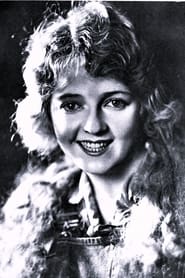
Eileen Sedgwick
Actor
Born: October 17, 1898 in Galveston, Texas, USA Died: January 15, 1991 Active: 1914-1929
Films
1 film
About Eileen Sedgwick
American actress who flourished during the silent film era, particularly known for her work in action serials and dramatic features. Born in Galveston, Texas in 1898, she began her film career in the mid-1910s and quickly established herself as a versatile performer capable of handling both dramatic and physically demanding roles. Sedgwick became especially popular for her appearances in Universal Pictures' serial productions, where she often portrayed adventurous heroines who performed their own stunts. Throughout the 1910s and 1920s, she appeared in dozens of films, working her way from supporting roles to leading lady status. Her the transition from short films to feature-length productions, though she retired before the full advent of sound films. After leaving the film industry, she lived a relatively private life until her death in 1991 at age 92, making her one of the longer-lived silent film stars.
The Craft
On Screen
Eileen Sedgwick was known for her athletic and dynamic acting style, particularly excelling in action-oriented roles that required physical prowess. She brought a sense of authenticity to her performances by often performing her own stunts, which was relatively uncommon for actresses of her time. Her screen presence combined elements of the damsel in distress with the capable, resourceful heroine, making her particularly popular in serial films where her characters frequently faced perilous situations. Sedgwick's acting technique emphasized expressive gestures and facial movements, essential skills for silent film performers who needed to convey emotion without dialogue.
Milestones
- Starred in numerous Universal Pictures serial films
- Transitioned from supporting roles to leading lady status
- Known for performing her own stunts in action sequences
- Worked extensively throughout the 1910s and 1920s
- Appeared in over 50 films during her career
Best Known For
Iconic Roles
Must-See Films
Working Relationships
Worked Often With
Studios
Why They Matter
Impact on Culture
Eileen Sedgwick contributed significantly to the development of the action heroine archetype in silent cinema, particularly through her work in serial films. Her willingness to perform dangerous stunts helped establish new standards for what female performers could achieve on screen, challenging traditional gender roles in early Hollywood. Sedgwick's popularity in serials helped demonstrate the commercial viability of female-led action content, paving the way for future generations of actresses in adventure and action genres. Her active years covered a crucial transitional period in American cinema, from the dominance of short films to the emergence of feature-length productions.
Lasting Legacy
Eileen Sedgwick's legacy lies primarily in her contributions to the silent film serial genre and her role in expanding the possibilities for female performers in action cinema. While she may not be as widely remembered as some of her contemporaries, film historians recognize her as an important figure in the development of the action heroine archetype. Her extensive filmography provides valuable documentation of the evolution of American cinema during the 1910s and 1920s. Sedgwick's longevity made her a living connection to cinema's earliest days until her death in 1991, and her performances continue to be studied by scholars interested in silent film history and the representation of women in early cinema.
Who They Inspired
Sedgwick influenced subsequent generations of actresses by demonstrating that women could successfully carry action-oriented films and perform physically demanding roles. Her work in serials helped establish templates for female action heroes that would be refined and expanded upon in later decades. While direct documentation of her influence on specific performers is limited, her career path and the types of roles she successfully embodied contributed to the gradual expansion of opportunities for women in action cinema throughout the 20th century.
Off Screen
Eileen Sedgwick maintained a relatively private personal life throughout her career and after her retirement from films. She married Edward H. 'Eddie' Cronin, a film director, in 1924, though the marriage eventually ended in divorce. Unlike many of her contemporaries, Sedgwick successfully transitioned to a life outside of Hollywood after her acting career ended. She spent her later years away from the public eye, residing in California until her death in 1991. Her longevity made her one of the last surviving stars from the silent era's golden age.
Education
Limited information available about her formal education, which was typical for actors of her era who often entered the film industry at young ages.
Family
- Edward H. Cronin (1924-1928, divorced)
Did You Know?
- She was often billed as 'The Daredevil of the Movies' due to her willingness to perform dangerous stunts
- Sedgwick appeared in over 50 films during her 15-year career
- She was particularly popular in serial films, which were released in weekly installments
- Her sister Josie Sedgwick was also an actress in silent films
- She worked extensively with director Francis Ford, brother of John Ford
- Sedgwick was one of the few actresses of her era who successfully transitioned from shorts to features
- She retired from acting just as the sound era was beginning
- Many of her films are now considered lost, a common fate for silent cinema productions
- She lived to be 92 years old, making her one of the longer-lived silent film stars
- Despite her popularity in the 1910s and 1920s, she never achieved the legendary status of some contemporaries like Mary Pickford or Clara Bow
In Their Own Words
I've never been afraid of hard work or dangerous scenes. If the script calls for it, I'll do it myself.
Serial pictures are wonderful training. You learn to work fast and be ready for anything.
Frequently Asked Questions
Who was Eileen Sedgwick?
American actress who worked primarily in silent films during the 1910s and 1920s. She was especially known for her roles in action serials and was famous for performing her own stunts, earning her the nickname 'The Daredevil of the Movies.'
What films is Eileen Sedgwick best known for?
Titles linked here include The Mystery of the Double Cross (1917), The House of Hate (1918).
When was Eileen Sedgwick born and when did she die?
Born October 17, 1898; died January 15, 1991.
What awards did Eileen Sedgwick win?
Eileen Sedgwick did not receive major formal awards during her career, as she worked primarily in the silent era before the establishment of most major film awards. Her recognition came primarily from her popularity with audiences and her prolific output in serial films.
What was Eileen Sedgwick's acting style?
Sedgwick was known for her athletic and physically demanding acting style, often performing her own stunts in action sequences. She excelled at portraying adventurous heroines in serial films, combining expressive silent film techniques with genuine physical prowess.