Films
2 films
About Tom Palmer
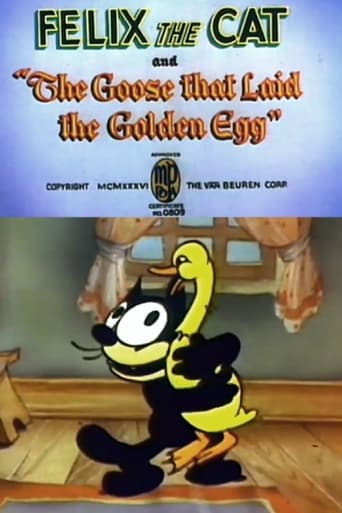
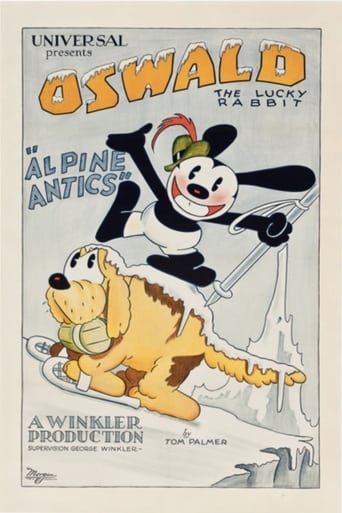
American animation director and animator who in the early development of sound cartoons during the transition from silent to talkie era. Beginning his career in the late 1920s, Palmer quickly established himself as a talented director at Van Beuren Studios, where he helmed numerous animated shorts featuring characters like Tom and Jerry (not the famous cat and mouse duo). His most notable work includes directing 'Alpine Antics' in 1929, one of the early sound cartoons that helped establish the technical and artistic possibilities of synchronized sound in animation. In 1936, he directed 'The Goose That Laid the Golden Egg,' showcasing his ability to adapt classic fairy tales into animated entertainment. Palmer's the crucial period when animation was evolving from simple novelty acts into a sophisticated art form, and he contributed to this transformation through his innovative directing techniques. Though his name is not as widely remembered as some of his contemporaries, his work helped shape the foundation of American animation during its formative years.
The Craft
Behind the Camera
Tom Palmer's directing style was characterized by energetic pacing and visual gags that took full advantage of the new sound technology. He pioneered techniques in synchronizing character movements with musical scores and sound effects, creating a more immersive viewing experience for audiences. His approach emphasized physical comedy and exaggerated character expressions, typical of early animation but with a distinctive flair for timing and rhythm. Palmer understood the importance of musical accompaniment in animation and often worked closely with composers to ensure that the visual elements complemented the audio perfectly.
Milestones
- Directed 'Alpine Antics' (1929), an early sound cartoon
- Directed 'The Goose That Laid the Golden Egg' (1936)
- Worked extensively with Van Beuren Studios during their peak years
- Contributed to the development of synchronized sound animation techniques
- Directed numerous Tom and Jerry shorts for Van Beuren (1931-1933)
Best Known For
Must-See Films
Working Relationships
Worked Often With
Studios
Why They Matter
Impact on Culture
Tom Palmer contributed to the evolution of American animation during its crucial transition from silent to sound films. His work at Van Beuren Studios helped establish technical standards for synchronized sound cartoons that would influence the entire industry. While Van Beuren Studios never achieved the lasting fame of Disney or Warner Bros., their innovations in sound synchronization and character animation, under directors like Palmer, were significant stepping stones in animation history. The techniques and approaches developed during this period laid groundwork for the Golden Age of Animation that would follow.
Lasting Legacy
Tom Palmer's legacy lies in his contribution to early sound animation and his role in developing the visual language of animated comedy during the 1930s. Though he may not be a household name today, his work represents an important chapter in animation history, showcasing the experimentation and innovation that characterized the industry's early years. The films he directed, while not widely remembered, demonstrate the artistic and technical challenges faced by early animation pioneers and their solutions to these challenges.
Who They Inspired
Palmer influenced subsequent generations of animators through his work on early sound cartoons, particularly in the area of timing and synchronization. His techniques for matching character movements to sound effects and music became standard practice in the industry. The visual gags and comedic timing he developed in his shorts influenced the broader language of animated comedy that would be refined and expanded by later studios and directors.
Off Screen
Limited information is available about Tom Palmer's personal life, as was common for many animation directors of his era who worked behind the scenes. Like many in the animation industry during the Great Depression, he faced job insecurity as studios struggled financially and frequently reorganized. His active years covered.
Did You Know?
- Tom Palmer worked on the original Tom and Jerry cartoons for Van Beuren Studios, which featured two human characters, not the famous cat and mouse duo
- He briefly worked at Disney Studios in 1930 before returning to Van Beuren
- Many of the cartoons he directed have been lost due to the poor preservation practices of early animation studios
- Palmer was part of the team that developed the 'Aesop's Fables' cartoon series for Van Beuren
- His work coincided with the Great Depression, which severely impacted the animation industry
- Van Beuren Studios closed in 1936, effectively ending Palmer's most productive period as a director
- The sound technology used in 'Alpine Antics' was considered cutting-edge for its time
- Palmer's cartoons often featured jazz soundtracks, reflecting the popular music of the era
- He was one of the few directors who successfully transitioned from silent to sound animation
- Many of his techniques were later adopted and refined by major studios like Disney and Warner Bros.
Frequently Asked Questions
Who was Tom Palmer?
American animation on YTB.my.
What films is Tom Palmer best known for?
Titles linked here include Alpine Antics (1929), The Goose That Laid the Golden Egg (1936).
When was Tom Palmer born and when did he die?
Born 1900; died 1972.
What awards did Tom Palmer win?
There are no records of Tom Palmer receiving major awards or nominations for his work, which was common for animation directors during the early sound era when the art form was not yet recognized with prestigious honors.
What was Tom Palmer's directing style?
Palmer's directing style emphasized energetic physical comedy, innovative sound synchronization, and visual gags that took advantage of new sound technology, helping establish early techniques for timing animated action with music and sound effects.