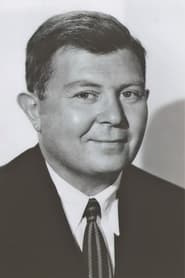
Benny Baker
Actor
Born: March 5, 1907 in New York City, New York, USA Died: August 20, 1974 Active: 1934-1974 Birth Name: Benjamin Michael Zifkin
Films
1 film
About Benny Baker
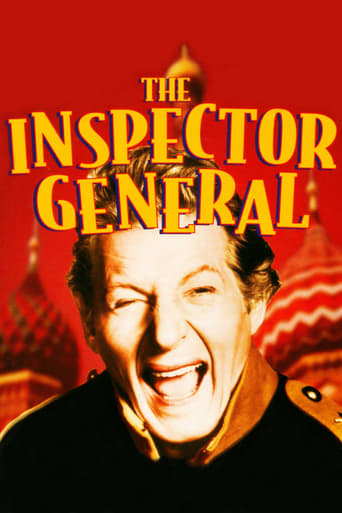
Benny Baker, born Benjamin Michael Zifkin, was an American character actor whose over four decades in Hollywood's Golden Age. Beginning his entertainment career in vaudeville as a teenager, Baker transitioned successfully to film in the early 1930s, establishing himself as a reliable comedic supporting actor. Benny appears in more than 80 films throughout his career, often playing sidekicks, comic relief characters, and various ethnic types with his distinctive nervous energy and expressive face. His most notable film role came in 1950's 'The Inspector General' starring Danny Kaye, where he played the character Kolokol. Beyond film, Baker made numerous television appearances in the 1950s and 1960s, including guest spots on popular shows like 'The Andy Griffith Show' and 'The Dick Van Dyke Show.' Despite never achieving leading man status, his versatility and reliability made him a valuable character actor sought after by directors needing authentic comedic timing. Baker continued working in television until his death in 1974, leaving behind a legacy of memorable supporting performances that enriched countless classic productions.
The Craft
On Screen
Benny Baker specialized in nervous, high-energy comedic performances characterized by rapid delivery, expressive facial contortions, and a perpetually anxious demeanor. His vaudeville training gave him impeccable timing and the ability to steal scenes with minimal dialogue. Often playing characters who were out of their depth or overwhelmed by circumstances, Baker used physical comedy and vocal variations to create memorable supporting roles. His style was particularly effective in ensemble comedies where his reactions to other performers' antics provided additional layers of humor.
Milestones
- Breakthrough role in 'The Big Broadcast of 1936'
- Memorable performance in 'The Inspector General' (1950)
- Extensive television work in the 1950s-1960s
- Vaudeville background that informed his comedic style
- Over 80 film appearances throughout his career
Best Known For
Iconic Roles
Must-See Films
Working Relationships
Worked Often With
Studios
Why They Matter
Impact on Culture
Benny Baker contributed significantly to the golden age of Hollywood comedy as a reliable character actor who enhanced the effectiveness of leading performers. His work in ensemble casts helped establish the template for supporting comedic roles in studio-era films. As television emerged, Baker successfully transitioned to the new medium, demonstrating the adaptability of vaudeville-trained performers. His performances, while not leading roles, provided essential comic timing and rhythm that elevated many productions, particularly musical comedies where his ability to react musically proved valuable.
Lasting Legacy
Benny Baker's legacy lies in his embodiment of the journeyman character actor who, while never achieving stardom, became an essential component of Hollywood's comedic machinery. His career trajectory from vaudeville through film to television represents the broader evolution of American entertainment in the 20th century. Modern audiences can still appreciate his work in classic films, particularly his scene-stealing moments in 'The Inspector General' and other comedies. His marriage to Barbara Jo Allen also connects him to the golden age of radio comedy, creating a unique Hollywood power couple of character performers.
Who They Inspired
Baker influenced subsequent generations of character actors through his demonstration of how supporting roles could be elevated through distinctive comedic choices. His vaudeville-honed timing and ability to create memorable characters with limited screen time became a model for television sitcom supporting actors. Younger performers studying classic film comedy often cite Baker as an example of effective scene-stealing without upstaging the leads. His work ethic and longevity in the business showed aspiring actors the viability of a career built on reliable supporting performances rather than stardom.
Off Screen
Benny Baker was married to actress Barbara Jo Allen, who was better known by her stage name Fibber McGee. The couple married in 1940 and remained together until his death in 1974. Their marriage was notable in Hollywood circles as both were successful entertainers, though Allen achieved greater fame in radio and television. Baker was known among colleagues as a dedicated professional who maintained a relatively private personal life despite his long career in entertainment.
Education
Limited formal education, trained primarily through vaudeville circuit experience
Family
- Barbara Jo Allen (1940-1974)
Did You Know?
- Changed his professional name from Benjamin Zifkin to Benny Baker early in his career
- Began performing in vaudeville at age 16
- His wife Barbara Jo Allen was famous for the radio character Fibber McGee
- Often played characters with nervous tics and anxious mannerisms
- Appeared in over 80 films but rarely received screen credit
- Was a favorite of director Norman Taurog for musical comedies
- Made his film debut in an uncredited role in 1934
- Continued working in television until the year of his death
- Was known for his ability to perform in multiple dialects
- Never received an Oscar nomination despite his extensive filmography
In Their Own Words
In vaudeville, you learned to be funny in three minutes or you were finished. That training served me my whole career.
Being a good supporting actor is like being a good waiter - you make the main course taste better without calling attention to yourself.
Frequently Asked Questions
Who was Benny Baker?
Screen credits include over 80 films from the 1930s through the 1960s, known for his nervous comedic style and supporting roles in classic Hollywood comedies.
What films is Benny Baker best known for?
Titles linked here include The Inspector General (1950), The Big Broadcast of 1936.
When was Benny Baker born and when did he die?
Born March 5, 1907; died August 20, 1974.
What awards did Benny Baker win?
Despite his extensive career, Benny Baker did not receive major industry awards or nominations, though he was recognized by colleagues as a reliable and talented character actor.
What was Benny Baker's acting style?
Benny Baker specialized in high-energy comedic performances with nervous mannerisms, rapid delivery, and expressive physical comedy, honed from his vaudeville background and perfect for supporting character roles.
Was Benny Baker related to other famous performers?
Benny Baker was married to actress Barbara Jo Allen, who was famous for her radio character Fibber McGee, making them a notable entertainment couple of their era.
How did Benny Baker start his career?
Benny Baker began his career in vaudeville at age 16, performing in traveling theater circuits before transitioning to films in the early 1930s during the golden age of Hollywood.