
Films
1 film
About Andrei Zhilinsky
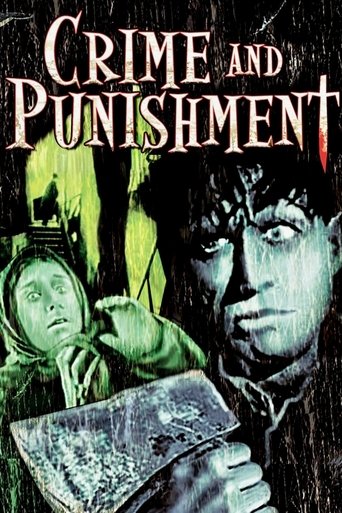
Andrei Zhilinsky worked on one surviving credit: Crime and Punishment (1923). Specifically during the silent film era of the early 1920s. His only known film credit is the 1923 silent adaptation of Fyodor Dostoevsky's classic novel 'Crime and Punishment,' which was produced during the formative years of Soviet filmmaking. Like many actors from this period, Zhilinsky's career was likely brief and undocumented, as the Soviet film industry was still establishing itself and many early performers have been lost to historical records. The 1923 'Crime and Punishment' was among the earliest film adaptations of the famous literary work, created during a time when Russian cinema was transitioning from pre-revolutionary to Soviet production. Unfortunately, detailed information about Zhilinsky's life, career trajectory, or other potential film work remains largely unknown to film historians, which is common for many supporting actors from this era of Soviet cinema.
The Craft
Milestones
- Appeared in the 1923 silent film adaptation of 'Crime and Punishment'
Best Known For
Iconic Roles
Must-See Films
Why They Matter
Impact on Culture
As an actor from the very early Soviet cinema period, Andrei Zhilinsky represents the generation of performers who helped establish Russian film art during its formative years. His participation in the 1923 adaptation of 'Crime and Punishment' places him within the important tradition of bringing classic Russian literature to the screen, a practice that would become central to Soviet cinema. While his individual contribution may have been minor, actors like Zhilinsky were essential building blocks in the development of what would become one of the world's most influential national cinemas, particularly during the golden age of Soviet film in the 1920s and 1930s.
Lasting Legacy
Andrei Zhilinsky's legacy is primarily preserved through his participation in one of the earliest film adaptations of Dostoevsky's work, representing the intersection of classical Russian literature and emerging cinema. Like many actors from this period, his story highlights the transient nature of early film careers and the difficulty of preserving complete records from the silent era. His appearance in the 1923 'Crime and Punishment' serves as a historical marker of Soviet cinema's early attempts to adapt its literary heritage to the new medium of film.
Who They Inspired
Given the limited documentation of Zhilinsky's career and the brevity of his known film work, there is insufficient information to determine his direct influence on other actors or filmmakers. His contribution appears to be that of a working actor during the foundational period of Soviet cinema rather than that of an influential figure who shaped the art form.
Off Screen
Very limited information is available about Andrei Zhilinsky's personal life, which is typical for many supporting actors from the early Soviet silent film era whose careers were brief and poorly documented.
Did You Know?
- Appeared in one of the earliest film adaptations of Dostoevsky's 'Crime and Punishment'
- His entire known film career consists of a single year: 1923
- Worked during the transition period from pre-revolutionary to Soviet cinema
- The 1923 'Crime and Punishment' was a silent film during the early years of Soviet film production
- Like many early Soviet actors, detailed biographical information has been lost to time
Frequently Asked Questions
Who was Andrei Zhilinsky?
Soviet with credits in this catalog.' His career appears to have been brief, with his only documented film work occurring in 1923.
What films is Andrei Zhilinsky best known for?
Titles linked here include Crime and Punishment (1923).
When was Andrei Zhilinsky born and when did he die?
Specific birth and death dates for Andrei Zhilinsky are not documented in available historical records, which is common for many supporting actors from the early Soviet silent film era.
What awards did Andrei Zhilinsky win?
There are no documented awards or honors for Andrei Zhilinsky, which is typical for actors of his era and the limited scope of his known film work.
What was Andrei Zhilinsky's acting style?
Due to the lack of documentation about Zhilinsky's career and the absence of surviving detailed analyses of his performance, his specific acting style remains unknown to film historians.