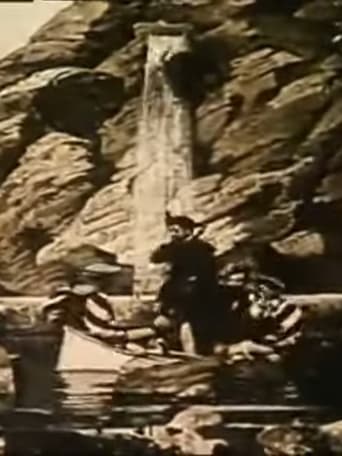
Films
1 film
About Edmond Boutillon
French stage and screen performer active during the years of the motion picture industry at the turn of the 20th century. He is primarily recognized by film historians for his collaboration with the Lucien Nonguet and the Pathé Frères studio during the transition from 'cinema of attractions' to narrative storytelling. Boutillon's career was deeply rooted in the theatrical traditions of Paris, which heavily influenced the gestural and pantomime-heavy acting style required for silent films of that era. In 1903, he took on the titular role in the ambitious production of 'Guillaume Tell' (William Tell), a film that sought to bring historical and operatic grandeur to the burgeoning medium of film. While his documented filmography is brief, his participation in such a high-profile Pathé production places him among the early professional actors who helped legitimize film as an art form distinct from vaudeville. His work represents the early 'Star System' in its infancy, where stage actors were recruited for their physical presence and ability to convey complex emotions without dialogue.
The Craft
On Screen
Boutillon utilized a highly stylized, theatrical form of pantomime typical of the early 1900s. His performance in William Tell required broad, declamatory gestures and intense facial expressions to communicate the legendary hero's resolve and paternal anguish to an audience unaccustomed to close-ups.
Milestones
- Cast as the lead in Pathé Frères' 1903 production of William Tell
- Collaborated with pioneer director Lucien Nonguet
- One of the earliest actors to transition from the Parisian stage to the narrative silent screen
- Participated in the early 'Scènes d'Histoire' genre which popularized historical dramas in cinema
Best Known For
Iconic Roles
Must-See Films
Accolades
Special Recognition
- Recognized in historical archives of the Pathé-Gaumont collection
Working Relationships
Worked Often With
Studios
Why They Matter
Impact on Culture
Edmond Boutillon's portrayal of William Tell in 1903 was significant for its time, as it was one of the first instances of a folk hero being depicted with a sense of narrative continuity in cinema. By bringing a recognizable historical and literary figure to the screen, Boutillon helped move cinema away from simple 'trick films' toward the epic storytelling that would eventually define the medium. His presence in the Pathé catalog helped establish the studio's dominance in the international market, as these historical shorts were exported globally.
Lasting Legacy
Boutillon remains a figure of interest for silent film scholars studying the 'incunabula' period of cinema. He represents the bridge between the 19th-century stage and the 20th-century screen. While his name is not a household word today, his performance in 'Guillaume Tell' is preserved as a vital artifact of the evolution of screen acting and the early efforts of the French film industry to create high-culture content.
Who They Inspired
He influenced the early development of the 'historical epic' genre, providing a template for the heroic leading man that would later be refined by actors like Douglas Fairbanks.
Off Screen
Little is recorded of Boutillon's private life, as he belonged to a generation of performers who predated the modern celebrity press. He was part of the professional theatrical circuit in Paris before being scouted for the screen.
Education
Trained in classical French theater and pantomime in Paris.
Did You Know?
- The 1903 film 'William Tell' in which he starred was actually a series of five short scenes sold separately or as a complete narrative.
- He worked during the era when Pathé Frères was the largest film equipment and production company in the world.
- His performance was filmed on a stage with painted backdrops, a common practice before location shooting became standard.
- Boutillon was likely a member of a traveling theater troupe before his brief stint in film.
- The film 'Guillaume Tell' is one of the earliest surviving examples of the legend in motion picture history.
Frequently Asked Questions
Who was Edmond Boutillon?
French stage with credits in this catalog. He is best known for playing the lead role in the 1903 Pathé Frères production of 'William Tell'.
What films is Edmond Boutillon best known for?
Titles linked here include Guillaume Tell (1903).
When was Edmond Boutillon active in the film industry?
Born circa 1870; died death date not listed.
What was Edmond Boutillon's acting style?
His style was characterized by the 'Grand Guignol' and classical theatrical traditions of France, involving large, expressive movements and dramatic posing to compensate for the lack of synchronized sound.
What is the significance of Edmond Boutillon's work today?
Boutillon is significant as one of the first professional actors to help transition cinema from a fairground attraction into a medium for serious storytelling. His work with Pathé Frères is a key part of French film heritage.