
Franklyn Barrett
Director
- Active
- c. 1910s-1921
Films directed 2
About Franklyn Barrett
Franklyn Barrett was an early Australian filmmaker, cinematographer, and director whose work helped shape the development of the country's silent cinema in the 1910s and early 1920s. He is best remembered today for directing The Breaking of the Drought (1920) and A Girl of the Bush (1921), two features associated with the bush drama tradition that became an important part of Australian screen identity. Barrett was active during a formative period when the local film industry was still defining its style, subjects, and technical standards, and his career reflects the resourcefulness required of early filmmakers working with limited infrastructure. He was involved in multiple aspects of production rather than functioning solely as a director, which was typical of silent-era practitioners who often moved between cinematography, direction, and production duties. His films contributed to the popularization of distinctly Australian settings and themes, especially rural life, hardship, and national character. Although much of his work is less widely known than that of later filmmakers, Barrett occupies an important place in Australian film history as a craftsman of the silent era. Exact personal details such as his birth and death dates are not readily established from widely available reference sources, but his surviving filmography confirms his significance in early screen culture.
More about Franklyn Barrett
Behind the camera
Franklyn Barrett's directing style is best understood in the context of early silent Australian cinema, where visual storytelling, location shooting, and clear melodramatic construction were essential. His work appears aligned with the bush-drama tradition, emphasizing landscape, hardship, and moral conflict rather than elaborate studio artifice. As with many filmmakers of the era, he likely relied on practical staging, strong pictorial composition, and straightforward narrative clarity to communicate emotion without synchronized sound. His films suggest an interest in making Australian settings feel central rather than incidental, using local environments as an active part of the drama.
In film history
Franklyn Barrett's cultural impact lies in his role as one of the early practitioners who helped define Australian silent cinema during a crucial developmental period. By directing films rooted in local landscapes and national themes, he participated in the creation of an on-screen Australian identity at a time when imported films dominated many markets. Works such as The Breaking of the Drought and A Girl of the Bush belong to the bush-drama tradition, a genre that gave cinema audiences images of rural endurance, environmental challenge, and distinctly Australian character. Even where individual titles are no longer widely discussed, Barrett's contribution is important because filmmakers like him established the possibility of a homegrown feature-film culture in Australia. His career represents the creative ambitions and limitations of an industry building itself from the ground up in the silent era.
Later reputation
Barrett's lasting legacy is as part of the foundation of Australian cinema history rather than as a globally famous auteur. His surviving filmography documents the move toward feature-length storytelling and the use of Australian subject matter as a serious cinematic resource. For historians, he is valuable as an example of the versatile early filmmaker who worked across key creative roles and helped establish production norms before sound cinema transformed the industry. His name persists in film scholarship because early Australian directors are essential to understanding the nation's screen heritage, especially the bush-epic and rural-drama traditions. In that sense, Barrett remains a historically significant figure even if the surviving public record about his life is fragmentary.
Influence
Franklyn Barrett influenced the development of Australian filmmaking by contributing to the visual and narrative language of silent-era bush dramas. His work helped demonstrate that Australian stories, landscapes, and social experiences could sustain feature-length cinema. Later filmmakers interested in Australian identity and regional storytelling inherit, in a broad historical sense, the path opened by early directors like Barrett. His influence is therefore indirect but important: he belongs to the generation that made local production credible and culturally meaningful.
Off screen
Publicly available biographical information about Franklyn Barrett's private life is limited. Standard reference sources for early Australian cinema do not consistently document details such as marriages, family background, or later-life activities, and much of his personal history appears to be obscure or unverified in readily accessible records. What is clear is that he was active during the silent era and contributed to the professionalization of local filmmaking in Australia. Because reliable documentation is sparse, any attempt to provide specific family or domestic details would risk inaccuracy.
Credits
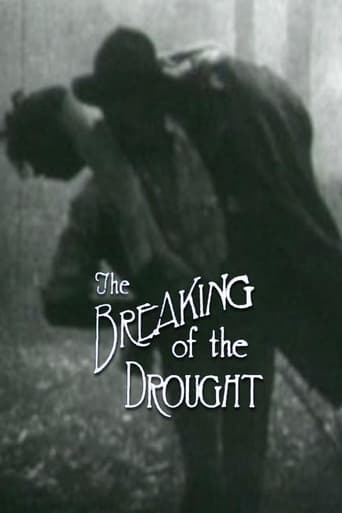
- Directed The Breaking of the Drought (1920), a notable silent feature associated with the Australian bush drama tradition
- Directed A Girl of the Bush (1921), another important early Australian feature focused on rural and national themes
- Worked in the formative years of Australian silent cinema, when the industry was still developing its visual language and production practices
- Contributed to the representation of distinctly Australian landscapes and stories on screen
- Served as part of the generation of filmmakers who helped establish feature-length production in Australia
Films
- The Breaking of the Drought (1920)
- A Girl of the Bush (1921)
Studios
- Early Australian silent film production companies
Notes
- Franklyn Barrett is primarily remembered for only a small number of surviving or documented feature credits, which is common for many silent-era filmmakers.
- He worked during a period when Australian cinema was trying to compete with imported productions from the United States and Europe.
- The Breaking of the Drought and A Girl of the Bush both fit the popular bush-drama mode that was important in early Australian screen culture.
- Like many silent-era film artists, Barrett's career likely involved multiple production functions rather than a single fixed role.
- His name appears in film history largely through archival records and filmographies rather than extensive contemporary publicity material.
- Much of his personal biography remains elusive, making him a typical example of an early filmmaker whose work is better preserved than his life story.
- His films are important to historians studying how national identity was expressed through early cinema.
- He represents the transition from makeshift early production to more established feature filmmaking in Australia.
Questions
Who was Franklyn Barrett?
Franklyn Barrett was an Australian silent-era filmmaker best known as a director and cinematographer. He is especially associated with early Australian feature films and with the bush-drama tradition that highlighted rural life and national identity.
What films is Franklyn Barrett best known for?
He is best known for directing The Breaking of the Drought (1920) and A Girl of the Bush (1921). These films are among the key titles associated with his surviving or documented filmography.
When was Franklyn Barrett born and when did he die?
Reliable widely available reference sources do not consistently provide verified birth and death dates for Franklyn Barrett. His exact birth and death details are therefore best treated as unavailable unless confirmed by archival records.
What awards did Franklyn Barrett win?
No major awards or formal nominations are widely documented for Franklyn Barrett. This is not unusual for silent-era Australian filmmakers, many of whom worked before modern awards systems were established.
What was Franklyn Barrett's directing style?
His directing style fits early silent cinema and appears to emphasize clear storytelling, outdoor locations, and visually readable drama. He is associated with Australian bush narratives, which often relied on landscape, hardship, and strong moral conflict.
What is Franklyn Barrett's legacy in film history?
His legacy lies in helping establish early Australian feature filmmaking and in contributing to the screen depiction of Australian stories. He is remembered by film historians as part of the pioneering generation that laid the groundwork for later Australian cinema.