Films
1 film
About Gladys Du Pell
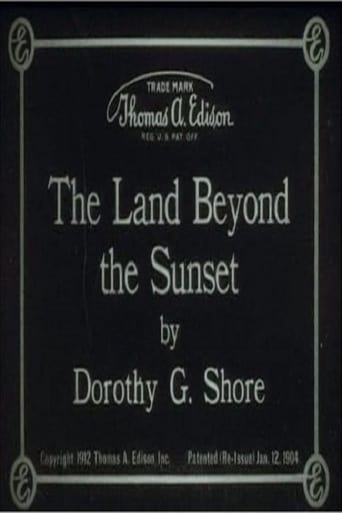
The 1912 film The Land Beyond the Sunset is the only title linked here for Gladys Du Pell. Her career, though brief, coincided with the transition from short subjects to more narrative-driven films in the early 1910s. She is known to have appeared in at least one significant production for the Edison Manufacturing Company, one of the earliest film studios in America. Her role in 'The Land Beyond the Sunset' (1912) places her among the actors who helped establish the dramatic potential of cinema as an art form. The film itself was notable for being one of the earliest examples of social commentary in American cinema, dealing with themes of child welfare and urban poverty. Like many actors of this period, Du Pell's career was likely cut short by the rapid evolution of the film industry and the transition to feature-length productions. Her contribution to early cinema, while not extensively documented, represents the work of the countless performers who helped shape the medium during its formative years.
The Craft
Milestones
- Appeared in 'The Land Beyond the Sunset' (1912), an early Edison Manufacturing Company production
- Participated in one of the earliest examples of socially conscious American cinema
- Worked during the transitional period of American film from short subjects to narrative features
Best Known For
Must-See Films
Working Relationships
Worked Often With
Studios
Why They Matter
Impact on Culture
Gladys Du Pell's contribution to cinema, while not extensively documented, represents the work of early actors who helped establish the dramatic potential of film as an artistic medium. Her participation in 'The Land Beyond the Sunset' places her among the performers who contributed to early socially conscious cinema, a genre that would become increasingly important in American film. The film itself was for its time, addressing serious social issues like child welfare and urban poverty, themes that were rarely tackled in the entertainment-focused productions of the era. Though her career was brief, actors like Du Pell were essential in proving that film could handle serious dramatic content and social commentary, paving the way for the more sophisticated narratives that would emerge in the following decades.
Lasting Legacy
Gladys Du Pell's legacy is primarily preserved through her appearance in 'The Land Beyond the Sunset,' a film that has survived as an important artifact of early American cinema. While she may not have achieved the lasting fame of contemporaries like Mary Pickford or Lillian Gish, her work represents the foundation upon which the golden age of Hollywood was built. The film itself has been recognized by film historians and preservationists for its historical significance, ensuring that Du Pell's contribution to early cinema, however small, has not been entirely lost to time. Her story exemplifies the countless actors from the silent era whose work, while not extensively documented, was crucial to the development of cinema as both an art form and an industry.
Who They Inspired
As an actor from such an early period in cinema history, Gladys Du Pell's direct influence on subsequent performers is difficult to trace. However, her participation in early narrative films helped establish the acting conventions and techniques that would be refined and expanded upon by later generations of film actors. The work of actors like Du Pell in the early 1910s demonstrated that film could support dramatic performance and emotional storytelling, influencing how future actors would approach their craft in the new medium.
Off Screen
Very little is documented about Gladys Du Pell's personal life, which was common for many early film actors who worked before the era of celebrity culture and extensive media coverage of performers' private lives.
Did You Know?
- Appeared in 'The Land Beyond the Sunset' (1912), which was produced by the Edison Manufacturing Company
- The film she appeared in was directed by Harold M. Shaw, a notable early film director
- Her film was one of the earliest examples of American cinema addressing social issues
- The Edison Company was one of the first and most important film studios in America
- 1912 was a pivotal year in cinema, with the industry transitioning toward more sophisticated storytelling
- Very few actors from this period have extensive biographical information preserved
- Her active years covered what appears to be only one year, typical of many early film performers
- The film she appeared in has survived and is preserved as an important piece of early cinema history
Frequently Asked Questions
Who was Gladys Du Pell?
Silent film actress active in 1912, best known for her appearance in 'The Land Beyond the Sunset,' an early Edison Manufacturing Company production that addressed social issues like child welfare and urban poverty.
What films is Gladys Du Pell best known for?
Titles linked here include The Land Beyond the Sunset (1912).
When was Gladys Du Pell born and when did she die?
Unfortunately, specific birth and death dates for Gladys Du Pell are not documented in available historical records, which is common for many actors from the very early silent era.
What awards did Gladys Du Pell win?
Gladys Du Pell did not receive any documented awards, as the major film award systems like the Academy Awards were not established until many years after her brief career in 1912.
What was Gladys Du Pell's acting style?
While specific details about her acting style are not documented, actors from this period typically used the exaggerated gestures and facial expressions characteristic of silent film performance to convey emotion without dialogue.