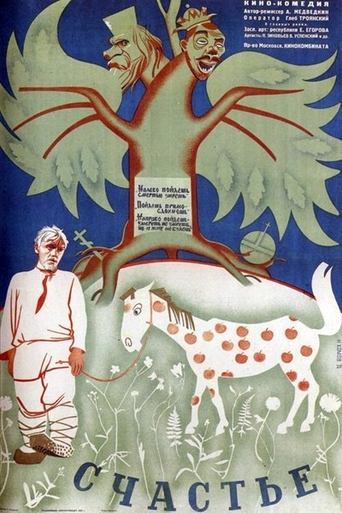
Films
1 film
About Lyubov Nenasheva
Lyubov Nenasheva worked on cinema during the mid-1930s, a period when Soviet film was transitioning into its mature sound era. Her only known film appearance was in Aleksandr Medvedkin's 1935 satirical comedy 'Happiness' (Счастье), which has since become recognized as a classic of Soviet cinema. The film was notable for its sharp social commentary and innovative approach to comedy during the Stalinist era. Nenasheva's participation in this significant production suggests she was part of the Soviet film industry during a crucial historical period, though her career appears to have been extremely brief. Like many actors from this era who had limited filmographies, detailed records of her life and career are scarce, making her one of the many lesser-known contributors to classic Soviet cinema. Her single film credit places her within the context of early Soviet sound cinema, a time when the industry was establishing its distinctive artistic voice.
The Craft
Milestones
- Appeared in Aleksandr Medvedkin's classic Soviet comedy 'Happiness' (1935)
Best Known For
Must-See Films
Working Relationships
Worked Often With
Studios
Why They Matter
Impact on Culture
Lyubov Nenasheva's contribution to cinema, though limited to a single film, places her within the historical context of early Soviet sound cinema. Her appearance in 'Happiness' (1935) connects her to a significant work that has been studied by film historians for its satirical approach to Soviet society and its innovative comedic techniques. The film itself has endured as an important example of 1930s Soviet cinema, representing the artistic possibilities and constraints of filmmaking during the Stalinist era. While her individual impact may be difficult to trace due to the brevity of her career, she participated in creating a work that continues to be analyzed and appreciated by scholars of classic cinema.
Lasting Legacy
Lyubov Nenasheva's legacy is primarily tied to her participation in the 1935 Soviet film 'Happiness,' which has endured as an important work of classic cinema. While she did not have an extensive filmography, her contribution to this significant film ensures her place in the historical record of Soviet cinema. The film itself continues to be studied and screened internationally, representing the artistic achievements of Soviet filmmakers during the 1930s. Her story exemplifies how many actors from this era, even those with brief careers, played roles in creating cinematic works that have transcended their time and continue to influence our understanding of film history.
Who They Inspired
Due to the limited scope of her known film work, specific information about Lyubov Nenasheva's influence on other actors or filmmakers is not well-documented. Her appearance in a historically significant Soviet film, however, places her within the broader context of early Soviet cinema's development and its influence on world cinema. The film 'Happiness' itself has been influential in the study of Soviet cinema and satirical filmmaking techniques.
Off Screen
Very little is documented about Lyubov Nenasheva's personal life, which is not uncommon for actors who had brief careers in Soviet cinema during the 1930s. The limited historical records available focus primarily on her single film appearance rather than biographical details.
Did You Know?
- Appeared in only one known film during her entire career
- Her only film credit is in a movie that has become a classic of Soviet cinema
- The film 'Happiness' (1935) was directed by renowned Soviet filmmaker Aleksandr Medvedkin
- The film was a satirical comedy, which was relatively rare in Soviet cinema of the 1930s
- Despite the film's later recognition, little is known about most of its cast members including Nenasheva
- Her career coincided with the early years of sound cinema in the Soviet Union
- The film 'Happiness' has been preserved and studied by film historians as an important example of 1930s Soviet cinema
Frequently Asked Questions
Who was Lyubov Nenasheva?
Soviet actress from the 1930s who is known for appearing in a single film, Aleksandr Medvedkin's 'Happiness' (1935), which has become recognized as a classic of Soviet cinema.
What films is Lyubov Nenasheva best known for?
Titles linked here include Happiness (1935).
When was Lyubov Nenasheva born and when did she die?
Specific birth and death dates for Lyubov Nenasheva are not documented in available historical records, which is common for actors who had brief careers in 1930s Soviet cinema.
What awards did Lyubov Nenasheva win?
There are no recorded awards or nominations for Lyubov Nenasheva, which is typical for actors with very limited filmographies during this period of Soviet cinema.
What was Lyubov Nenasheva's acting style?
Due to the limited documentation of her work and the brevity of her film career, specific details about Lyubov Nenasheva's acting style are not available in historical records.