Films
1 film
About Jiang Ming
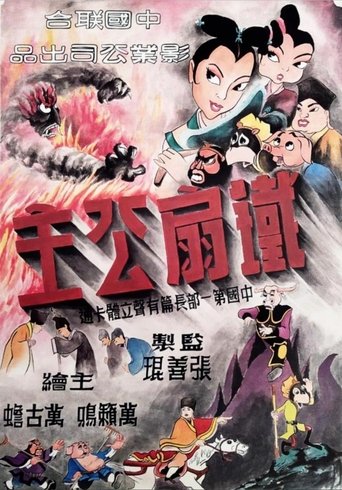
Chinese voice actor who gained recognition for his work in early Chinese cinema during the 1940s. His most notable contribution was providing voice work for China's first animated feature film 'Princess Iron Fan' in 1941, a production that marked a significant milestone in Chinese animation history. Working during a tumultuous period in Chinese history under Japanese occupation, Jiang was part of a group of artists who helped establish the foundation for China's animation industry. His performance in 'Princess Iron Fan' demonstrated the emerging importance of voice acting in Chinese cinema, as the industry transitioned from silent films to sound. Despite the limited documentation of voice actors from this era, Jiang's contribution to this historic film represents an important part of early Chinese cinematic heritage. His work coincided with the golden age of Shanghai cinema, though records suggest his career may have been brief or primarily focused on this landmark production.
The Craft
On Screen
As a voice actor in early Chinese animation, Jiang Ming's style would have been characterized by theatrical delivery typical of the transition period from silent to sound cinema, emphasizing clear diction and expressive intonation to compensate for limited animation techniques of the era.
Milestones
- Voice acting in China's first animated feature film 'Princess Iron Fan' (1941)
- Contributing to early Chinese animation during wartime occupation
- Participating in Shanghai's golden age of cinema
Best Known For
Iconic Roles
Must-See Films
Working Relationships
Worked Often With
Studios
Why They Matter
Impact on Culture
Jiang Ming's contribution to 'Princess Iron Fan' places him among the pioneers of Chinese animation voice acting. The film itself was groundbreaking as China's first animated feature and was notable for its anti-Japanese resistance themes, cleverly disguised in the classic Journey to the West story. The voice performances in the film helped establish standards for Chinese animation voice work that would influence future generations of Chinese animators and voice actors.
Lasting Legacy
While specific details about Jiang Ming's individual legacy are limited due to sparse documentation of voice actors from this era, his work in 'Princess Iron Fan' ensures his place in the history of Chinese cinema. The film itself has been recognized by film historians and animation scholars as a crucial milestone in global animation history, with its voice cast contributing to its enduring cultural significance.
Who They Inspired
As an early voice actor in Chinese animation, Jiang Ming would have been part of establishing the conventions and techniques that would influence subsequent generations of Chinese voice actors in animation, though specific documentation of his direct influence on others is not available in historical records.
Off Screen
Very little documented information exists about Jiang Ming's personal life, which was common for voice actors and supporting artists in early Chinese cinema. Records from this period were often incomplete or lost during the various political upheavals in 20th century China.
Did You Know?
- 'Princess Iron Fan' was China's first animated feature film, released in 1941
- The film was produced during the Japanese occupation of China and contained subtle anti-Japanese themes
- The animation was created by the Wan brothers, who are considered the fathers of Chinese animation
- The film was based on a chapter from the classic Chinese novel 'Journey to the West'
- Voice actors in early Chinese cinema were often not credited prominently, making historical documentation challenging
- The film was a commercial success in occupied Shanghai and other Asian markets
- Original prints of the film are extremely rare due to wartime destruction and political upheavals
- The film influenced later Japanese animators, including Osamu Tezuka, creator of Astro Boy
Frequently Asked Questions
Who was Jiang Ming?
Chinese voice with credits in this catalog. He contributed to this groundbreaking production during the golden age of Shanghai cinema.
What films is Jiang Ming best known for?
Titles linked here include Princess Iron Fan (1941).
When was Jiang Ming born and when did he die?
Specific birth and death dates for Jiang Ming are not documented in available historical records, which was common for voice actors and supporting artists in early Chinese cinema.
What awards did Jiang Ming win?
No documented awards or nominations for Jiang Ming exist in available records, as voice actors in early Chinese cinema were rarely recognized in formal award ceremonies of the time.
What was Jiang Ming's acting style?
As a voice actor in early Chinese animation, Jiang Ming would have employed theatrical delivery with clear diction and expressive intonation, typical of the transition period from silent to sound cinema in China.
Why is 'Princess Iron Fan' historically significant?
'Princess Iron Fan' was China's first animated feature film and represented a major achievement in Chinese cinema. It was produced during Japanese occupation and contained subtle resistance themes, making it both artistically and politically significant.