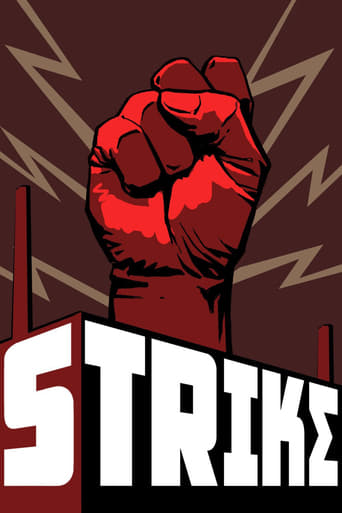
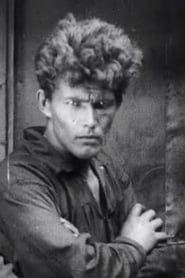
Films
2 films
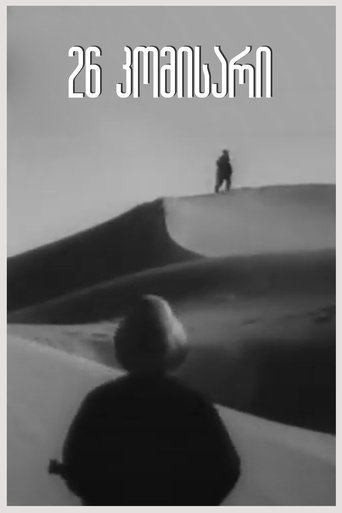
About Ivan Klyukvin
Soviet actor who emerged during the revolutionary period of Russian cinema in the 1920s. He gained recognition for his work in Sergei Eisenstein's silent film 'Strike' (1925), which showcased the innovative techniques of Soviet montage theory. Klyukvin was associated with the Proletkult movement, an avant-garde artistic organization that sought to create a new proletarian culture following the Russian Revolution. His performances embodied the collective spirit and revolutionary ideals that characterized early Soviet cinema. Throughout his brief but notable career, he appeared in several films that promoted socialist themes and values. His work in '26 Commissioners' (1933) marked one of his final film appearances before his career seemingly ended in the mid-1930s. Klyukvin represented the generation of actors who helped establish the foundations of Soviet cinematic art during its formative years.
The Craft
On Screen
Embodying the collective proletarian spirit characteristic of early Soviet cinema, with exaggerated gestures and expressions suited to silent film montage techniques
Milestones
- Appeared in Eisenstein's masterpiece 'Strike' (1925)
- Participated in the Proletkult theater movement
- Contributed to early Soviet cinema during its revolutionary period
- Starred in '26 Commissioners' (1933)
Best Known For
Iconic Roles
Must-See Films
Working Relationships
Worked Often With
Studios
Why They Matter
Impact on Culture
Ivan Klyukvin contributed to the revolutionary aesthetic of early Soviet cinema, helping to establish the visual language and ideological foundations that would influence filmmakers worldwide. His work in Eisenstein's 'Strike' demonstrated the power of montage theory and collective performance in conveying revolutionary themes. Though not a major star, his participation in these foundational films placed him at the forefront of one of cinema's most innovative periods. The films he appeared in became classics of world cinema, studied by filmmakers and scholars for their groundbreaking techniques and political significance.
Lasting Legacy
Ivan Klyukvin's legacy is preserved through his contributions to some of the most important films in cinema history. While his name may not be widely recognized today, his work in 'Strike' ensures his place in the annals of film history as part of Eisenstein's revolutionary ensemble. He represents the countless actors who helped build Soviet cinema during its formative years, often working anonymously but contributing significantly to the medium's artistic development. His performances continue to be studied as examples of early Soviet acting techniques and the embodiment of proletarian ideals on screen.
Who They Inspired
As a character actor in Eisenstein's films, Klyukvin contributed to the development of montage theory and collective performance techniques that would influence generations of filmmakers worldwide. His work demonstrated how individual actors could serve broader cinematic and ideological goals, a concept that influenced both Soviet and international cinema. The films he participated in became reference points for filmmakers studying the relationship between performance and editing in creating meaning and emotional impact.
Off Screen
Very little documented information is available about Ivan Klyukvin's personal life, which was common for many character actors of early Soviet cinema whose contributions were often overshadowed by directors and major stars.
Did You Know?
- Appeared in Sergei Eisenstein's directorial debut 'Strike'
- Part of the Proletkult movement that sought to create revolutionary art
- His active years covered the transition from silent to early sound cinema in the Soviet Union
- Worked during
- Contributed to films that are now considered classics of world cinema
- Like many early Soviet actors, his personal details remain largely undocumented
- His performances exemplified the collective approach to acting favored in early Soviet cinema
Frequently Asked Questions
Who was Ivan Klyukvin?
Soviet with credits in this catalog. He was associated with the Proletkult movement and contributed to early Soviet cinema during its revolutionary period.
What films is Ivan Klyukvin best known for?
Titles linked here include Strike (1925), 26 Commissioners (1933).
When was Ivan Klyukvin born and when did he die?
Unfortunately, specific birth and death dates for Ivan Klyukvin are not well documented in available historical records, which is common for many character actors from early Soviet cinema. His active period in film was from 1925 to 1933.
What awards did Ivan Klyukvin win?
There are no documented awards or nominations for Ivan Klyukvin, which was typical for many Soviet character actors of his era. Recognition during this period was often collective rather than individual, with emphasis placed on the ideological and artistic achievements of the films rather than individual performances.
What was Ivan Klyukvin's acting style?
Klyukvin's acting style embodied the collective proletarian spirit characteristic of early Soviet cinema, featuring exaggerated gestures and expressions suited to silent film montage techniques. His performances served the broader ideological and artistic goals of the films, emphasizing revolutionary themes and collective identity over individual character development.