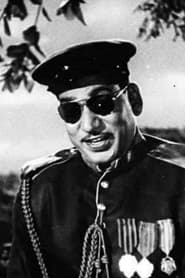
Relangi Venkata Ramaiah
Actor
Born: August 9, 1910 in Dulla, East Godavari District, Andhra Pradesh, India Died: November 26, 1975 Active: 1947-1975
Films
2 films
About Relangi Venkata Ramaiah
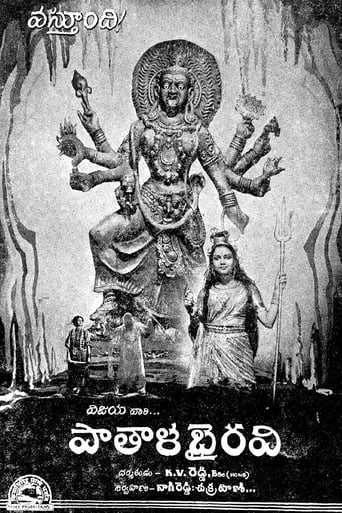
Relangi Venkata Ramaiah was comic actors in the history of Telugu cinema, known for his impeccable timing and distinctive style. Born into a modest family, he began his career in theatre before transitioning to films in the late 1940s. His breakthrough came with his role in Pathala Bhairavi (1951), where his comic relief provided perfect balance to the fantasy narrative. Throughout the 1950s and early 1960s, he became an indispensable part of Telugu cinema, appearing in over 200 films and often playing the loyal friend, cunning servant, or witty relative. His collaboration with actors like N.T. Rama Rao and Akkineni Nageswara Rao created some of the most memorable comic sequences in Indian cinema. Despite his comic persona, he was highly respected for his professionalism and dedication to the craft. He continued acting until his death in 1975, leaving behind a legacy that Telugu comedy. His contribution to cinema was recognized with the prestigious Padma Shri award in 1970.
The Craft
On Screen
Known for his distinctive high-pitched voice, expressive facial contortions, and perfect comic timing. His style combined slapstick elements with sophisticated wordplay, often playing characters who were seemingly simple but revealed surprising depth. He had a unique ability to deliver lengthy comic monologues with flawless rhythm and timing.
Milestones
- Breakthrough role in Pathala Bhairavi (1951)
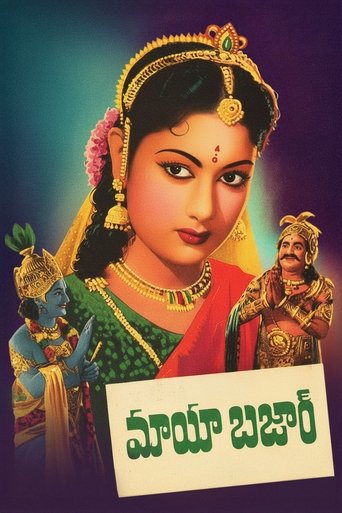
- Iconic performance in Mayabazar (1957)
- Received Padma Shri award (1970)
- Appeared in over 200 films
- Became the highest-paid comedy actor in Telugu cinema
Best Known For
Iconic Roles
Must-See Films
Accolades
Won
- Padma Shri (1970)
- Andhra University Kalaprapoorna (1975)
Nominated
- Filmfare Award for Best Comedian - Multiple nominations
Special Recognition
- Relangi Award established in his memory for excellence in comedy
- Postal stamp released by Indian Postal Service (2008)
- Multiple film awards named after him
Working Relationships
Worked Often With
Studios
Why They Matter
Impact on Culture
Relangi revolutionized comedy in Telugu cinema by elevating it from mere comic relief to an integral part of storytelling. His characters became cultural touchstones, with his dialogues and mannerisms entering everyday language. He demonstrated that comedy could be sophisticated and meaningful, paving the way for future generations of comedians. His work helped establish Telugu cinema's reputation for quality entertainment that balanced multiple genres seamlessly.
Lasting Legacy
Relangi's legacy extends far beyond his filmography; he created a template for comedy in South Indian cinema that remains influential decades after his death. The term 'Relangi comedy' became synonymous with clean, family-friendly humor that could enhance rather than detract from a film's main narrative. His influence is seen in the work of countless comedians who followed, and his films continue to be celebrated through festivals and retrospectives.
Who They Inspired
His influence on Telugu comedy is immeasurable, with actors studying his timing and delivery techniques. He inspired a generation of comedians to view their craft as serious art rather than mere entertainment. His success proved that comic actors could achieve stardom and critical respect, changing the industry's perception of supporting roles.
Off Screen
Relangi was known for his humble nature despite his massive success. He maintained strong ties to his native village and was known for his philanthropic activities. He was deeply religious and often participated in cultural and charitable events. His personal life was marked by simplicity and dedication to his craft.
Education
Limited formal education, primarily self-taught through theatre experience
Family
- Seetaratnam (married until her death)
Did You Know?
- Was originally named Venkata Ramaiah but adopted 'Relangi' from his village name
- Could deliver dialogues in multiple dialects of Telugu authentically
- Often improvised his dialogues on set, with directors incorporating his additions
- Was the first comedy actor in Telugu cinema to receive the Padma Shri
- His salary in the 1950s was equivalent to that of leading actors
- Never used profanity or vulgar comedy throughout his career
- Was a trained classical singer and occasionally sang in his films
- Maintained a strict vegetarian diet throughout his life
- Was known for his punctuality and would arrive on set hours before call time
- His son Relangi Narasimha Rao became a successful film director
In Their Own Words
Comedy is not about making faces, it's about touching hearts
A good comedian should make the audience laugh with him, not at him
Timing in comedy is like breathing in life - essential and natural
Every character has dignity, even the comic ones
The best comedy comes from truth, not trickery
Frequently Asked Questions
Who was Relangi Venkata Ramaiah?
Screen credits include over 200 films between 1947 and 1975. He was known for his distinctive comic timing, expressive acting, and memorable performances in classic films like Mayabazar and Pathala Bhairavi.
What films is Relangi Venkata Ramaiah best known for?
Titles linked here include Mayabazar (1957), Pathala Bhairavi (1951).
When was Relangi Venkata Ramaiah born and when did he die?
Born August 9, 1910; died November 26, 1975.
What awards did Relangi Venkata Ramaiah win?
He received the Padma Shri, India's fourth-highest civilian award, in 1970 for his contributions to arts. He was also honored with the Kalaprapoorna award by Andhra University in 1975, and several awards have been established in his memory.
What was Relangi Venkata Ramaiah's acting style?
His acting style combined physical comedy with sophisticated wordplay, characterized by his high-pitched voice, expressive facial contortions, and impeccable timing. He specialized in clean, family-friendly humor that enhanced rather than distracted from the main narrative.