Julian Rivero
Actor
Born: July 25, 1890 in San Francisco, California, USA Died: February 24, 1976 Active: 1923-1973 Birth Name: Frederick Julian B. Rivero
Films
2 films
About Julian Rivero
Prolific American character actor: career in Hollywood spanned an incredible seven decades, beginning in the silent era and continuing into the 1970s. Born in San Francisco, he initially trained as a Shakespearean actor under the tutelage of the Robert B. Mantell before making his cinematic debut in the 1923 silent film 'The Bright Shawl.' Throughout the 1930s, Rivero became a staple of the 'B-Western' genre, frequently cast as a charismatic sidekick, a stern Mexican official, or a formidable bandido. His bilingual abilities allowed him to thrive during the early talkie transition, where he appeared in numerous Spanish-language versions of major Hollywood productions, such as 'Así es la vida' (1930). Beyond westerns, he contributed memorable bit parts to cinematic masterpieces like 'The Treasure of the Sierra Madre' (1948) and 'Giant' (1956). Even as he aged, Rivero remained active, transitioning seamlessly into television guest roles on series like 'The Lone Ranger' and 'I Spy' before his final performance in the 1973 television film 'The Red Pony.'
The Craft
On Screen
Rivero was known for his versatility and commanding screen presence, often utilizing a distinctive mustache and a range of accents to portray diverse characters. Having been trained in the Shakespearean tradition, he brought a certain gravitas even to smaller roles in 'B' movies. He was equally adept at playing lighthearted, comedic sidekicks as he was at portraying stern military officers or menacing outlaws.
Milestones
- Studied Shakespearean acting under the renowned stage actor Robert B. Mantell
- Made his film debut in the 1923 silent melodrama 'The Bright Shawl' alongside William Powell and Edward G. Robinson
- Became a prominent figure in the 'Spanish-language version' era of early sound films (1930-1934)
- Appeared in over 200 film and television productions throughout his 50-year career
- Had a memorable role as the barber in John Huston's 'The Treasure of the Sierra Madre' (1948)
- Successfully transitioned from silent films to 'B-Westerns' and eventually to Golden Age prestige films and television
Best Known For
Iconic Roles
Must-See Films
Accolades
Special Recognition
- Recognized as a veteran of western films with a career spanning over 60 years by the Santa Ana Register (1976)
Working Relationships
Worked Often With
Studios
Why They Matter
Impact on Culture
Vital bridge between the silent era and the sound era, particularly for the Spanish-speaking market. During the early 1930s, when Hollywood produced separate Spanish-language versions of its hits to capture international audiences, Rivero was. His presence helped maintain a sense of continuity and authenticity in these productions, making him a significant figure in the history of Hispanic representation in early Hollywood.
Lasting Legacy
Rivero's legacy is that of the ultimate 'working actor.' While he rarely received top billing in major studio features, his presence in over 200 titles makes him a recognizable face to fans of classic cinema and Westerns. He is remembered for his ability to bring dignity to the 'ethnic' character roles that were often stereotyped in early Hollywood, and his long career shows his adaptability and professional endurance.
Who They Inspired
He influenced the portrayal of Mexican and Spanish characters in Westerns, moving away from simple caricatures toward more nuanced, often authoritative or fatherly roles. His transition from stage to silent film and then to sound served as a blueprint for many character actors of his generation.
Off Screen
Julian Rivero was married to Isobel Thomas, who had previously been one of the famous 'Bathing Beauties' for comedy pioneer Mack Sennett. The couple had two daughters, Lorraine and Yvonne, both of whom briefly explored acting before pursuing other careers. In his later years, Rivero suffered a serious automobile accident that left him almost entirely deaf, though he continued to work in the industry for several years afterward.
Education
Studied acting under Robert B. Mantell
Family
- Isobel Thomas (Married until her death in 1948)
Did You Know?
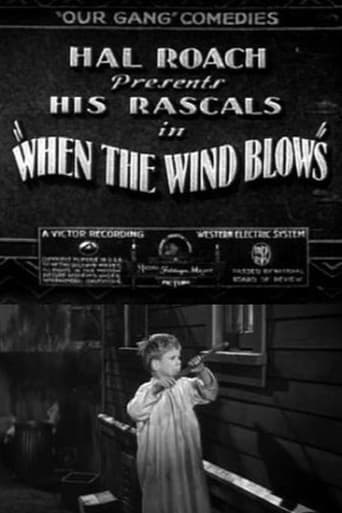
- He played the role of 'Henry, Jackie's Dad' in the Spanish-language version of the Our Gang short 'When the Wind Blows' (1930).
- His wife, Isobel, was a Mack Sennett Bathing Beauty.
- He was 5'9" tall and often wore a signature mustache for his roles.
- Rivero was one of the few actors to appear in both the silent era and the television era of the 1970s.
- He was completely deaf in his final years due to a car accident but still managed to perform.
- He is buried at the San Fernando Mission Cemetery in Los Angeles.
- His film debut, 'The Bright Shawl,' was actually filmed on location in Cuba in 1923.
- He appeared in the final film of James Dean, 'Giant' (1956).
In Their Own Words
It is a fine night for a murder. (Context: His character's opening line in the short film 'When the Wind Blows')
Frequently Asked Questions
Who was Julian Rivero?
Prolific American character with credits in this catalog. He was particularly famous for his roles in Westerns and his participation in early Spanish-language versions of Hollywood films.
What films is Julian Rivero best known for?
Titles linked here include The Treasure of the Sierra Madre (1948), Giant (1956).
When was Julian Rivero born and when did he die?
Born July 25, 1890; died February 24, 1976.
Did Julian Rivero win any awards?
While he did not win major competitive awards like an Oscar, he was highly respected as a veteran of the industry, with a career that was celebrated for its longevity and its contribution to the Western genre.
What was Julian Rivero's acting style?
Trained in Shakespearean theater, Rivero brought a disciplined and versatile approach to his roles. He excelled in character acting, often playing authoritative figures, sidekicks, or villains with equal conviction.