
Trigger
Actor
Born: July 4, 1932 in San Diego, California, USA Died: July 3, 1965 Active: 1938-1965 Birth Name: Golden Cloud
Films
1 film
About Trigger
Trigger was arguably the most famous animal actor in Hollywood history, a golden palomino horse who became Roy Rogers' co-star and trusted companion. Originally born as 'Golden Cloud' in 1932 on a ranch in San Diego, California, the horse was discovered by Roy Rogers in 1938 when Rogers was preparing for his first starring role in 'Under Western Stars.' Roy purchased the horse for $2,500 and renamed him Trigger due to his remarkable quickness, intelligence, and responsiveness. Trigger appeared in over 80 films with Roy Rogers, performing an incredible array of tricks and stunts that showcased his extraordinary intelligence and training. The horse could reportedly walk on his hind legs, untie ropes, count, and respond to over 100 different voice commands. Beyond his film career, Trigger became a beloved attraction at live performances and rodeos, captivating audiences with his abilities and his obvious bond with Rogers. After his death in 1965 at age 33, Trigger was mounted by a taxidermist and displayed at the Roy Rogers-Dale Evans Museum, where he remained a popular attraction for decades, cementing his status as an immortal icon of American Western cinema.
The Craft
On Screen
Known for extraordinary intelligence and ability to perform complex tricks on command, Trigger displayed remarkable expressiveness and personality on screen. His acting style combined natural horse behaviors with trained responses, creating believable emotional reactions and comedic timing. Unlike typical animal actors of his era, Trigger could perform over 100 different tricks and respond to subtle cues from Roy Rogers, making their on-screen chemistry appear genuine and spontaneous.
Milestones
- Discovered by Roy Rogers in 1938
- First film appearance in 'Under Western Stars' (1938)
- Appeared in over 80 films with Roy Rogers
- Performed at countless live shows and rodeos
- Became one of Hollywood's most recognizable animal stars
- Mounted and displayed at Roy Rogers-Dale Evans Museum after death
Best Known For
Iconic Roles
Must-See Films
Accolades
Won
- Hollywood Walk of Fame Star (Animal Category)
- ProRodeo Hall of Fame Inductee
- Western Performers Hall of Fame
Special Recognition
- Hollywood Walk of Fame Star (located at 1755 Vine Street)
- ProRodeo Hall of Fame (1979)
- Western Performers Hall of Fame at the National Cowboy & Western Heritage Museum
- Featured in Smithsonian Institution's American History Museum display
Working Relationships
Worked Often With
Studios
Why They Matter
Impact on Culture
Trigger transcended his role as a mere animal actor to become a cultural icon representing the idealized American West. His partnership with Roy Rogers symbolized the perfect relationship between human and animal, embodying loyalty, intelligence, and mutual respect that resonated deeply with audiences during the Golden Age of Hollywood. Trigger helped establish the standard for animal actors in film, proving that animals could be more than props and could contribute meaningfully to storytelling. His fame extended beyond cinema into merchandise, including toys, books, and collectibles, making him. The horse's popularity helped shape public perception of the American cowboy mythos and contributed to the enduring appeal of Western films during the 1940s and 1950s.
Lasting Legacy
Trigger's legacy endures as one of Hollywood's most beloved and recognizable animal performers. His mounted remains, displayed for decades at the Roy Rogers-Dale Evans Museum, became a pilgrimage site for fans of classic Western cinema and animal lovers alike. The horse set a benchmark for animal actors that few have since matched, demonstrating the potential for animals to be true co-stars rather than background elements. Trigger's name became synonymous with intelligence and loyalty in popular culture, and his influence can be seen in subsequent animal actors who were given more prominent roles in films. The story of Roy Rogers and Trigger continues to inspire new generations of filmmakers and animal trainers, serving as proof of the powerful bond between humans and animals in storytelling.
Who They Inspired
Trigger revolutionized the role of animal actors in cinema, paving the way for future animal stars to receive billing and recognition. His success demonstrated that audiences would embrace animal characters with personality and agency, influencing how animals were cast and trained in subsequent films. Many later animal actors, from Lassie to Rin Tin Tin, benefited from the path Trigger blazed in terms of screen time, character development, and audience connection. His training methods, emphasizing positive reinforcement and building on natural behaviors, influenced generations of animal trainers who followed. Trigger's partnership with Roy Rogers also established the template for human-animal duos in entertainment, a formula that has been replicated countless times in film and television.
Off Screen
Trigger lived primarily at Roy Rogers' ranch in Chatsworth, California, where he was treated as a beloved member of the family rather than just a working animal. He had his own specially designed stall and received the best care available, including regular grooming, specialized diet, and veterinary attention. The horse formed an exceptionally close bond with Roy Rogers, often following him around the ranch without a lead rope and demonstrating genuine affection. Trigger was also friendly with Dale Evans and the Rogers' children, becoming an integral part of their family life both on and off screen.
Education
Trained by Hollywood's top animal trainers, including Glenn Randall, who taught him over 100 tricks and commands. His training emphasized positive reinforcement and built upon his natural intelligence and willingness to please.
Did You Know?
- Trigger could reportedly walk on his hind legs for 50 feet
- He could untie ropes with his teeth and open gates
- The horse was insured for $50,000 (equivalent to over $500,000 today)
- Trigger had his own fan club with thousands of members
- He appeared on the cover of Life magazine in 1943
- Trigger could count and do simple math by tapping his hoof
- The horse had a double named Trigger Jr. For dangerous stunts
- Trigger ate specially prepared meals including apples, carrots, and oats
- He had his own custom-made saddle worth $3,000
- Trigger appeared in all 100 episodes of 'The Roy Rogers Show' on television
- The horse was known to respond to over 100 different voice commands
- Trigger once saved Roy Rogers from a runaway horse on set
In Their Own Words
Roy Rogers: 'Trigger and I had a special understanding. He was more than a horse; he was my best friend and greatest co-star.'
Roy Rogers: 'I could ask Trigger to do anything, and he'd try his best to do it. He was the smartest horse in movies.'
Dale Evans: 'Trigger wasn't just Roy's horse; he was part of our family. He had a gentle soul and a heart of gold.'
Frequently Asked Questions
Who was Trigger?
Trigger was Roy Rogers' famous golden palomino horse,. Born as Golden Cloud in 1932, he appeared in over 80 films and became known as 'The Smartest Horse in the Movies' due to his remarkable intelligence and ability to perform complex tricks.
What films is Trigger best known for?
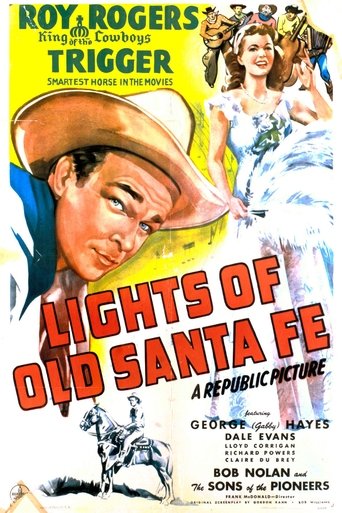
Titles linked here include Under Western Stars (1938), Lights of Old Santa Fe (1944).
When was Trigger born and when did he die?
Born July 4, 1932; died July 3, 1965.
What awards did Trigger win?
Trigger received a star on the Hollywood Walk of Fame and was inducted into the ProRodeo Hall of Fame and the Western Performers Hall of Fame. While formal acting awards for animals didn't exist during his career, his recognition came through these prestigious honors and his enduring popularity.
What made Trigger special as an animal actor?
Trigger was exceptional due to his ability to perform over 100 different tricks on command, his remarkable intelligence, and his genuine bond with Roy Rogers. Unlike typical animal actors, he displayed personality and emotion on screen, could walk on his hind legs, untie ropes, count, and respond to subtle cues, making him a true co-star rather than just a prop.
How did Trigger get his name?
Originally named 'Golden Cloud' at birth, Roy Rogers renamed him Trigger after purchasing him in 1938. The name was chosen because of the horse's incredible quickness, responsiveness, and ability to 'trigger' into action instantly, qualities that made him perfect for film work.
What happened to Trigger after his death?
After Trigger's death in 1965, Roy Rogers had the horse mounted by a taxidermist and displayed at the Roy Rogers-Dale Evans Museum. The mounted Trigger became one of the museum's most popular attractions, remaining on display for decades until the museum's closure and relocation of exhibits.