Films
1 film
About Aleksandr Putko
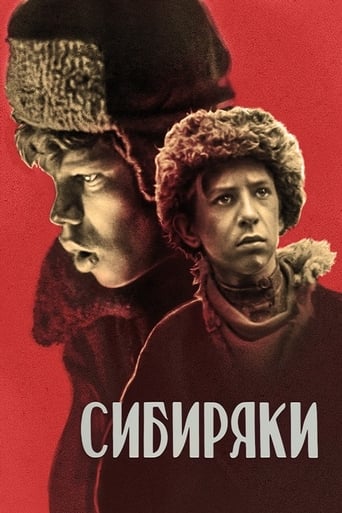
Soviet actor: brief but notable film career emerged Russian cinema. His sole documented film appearance was in the 1940 drama 'Siberians' (Сибиряки), directed by Lev Kuleshov, where he portrayed a character representing the collective spirit of the Soviet working class in the harsh Siberian wilderness. Putko's performance embodied the socialist realist style favored during Stalin's era, emphasizing the heroic qualities of ordinary Soviet citizens building a new society. His casting in this state-sponsored production suggests he may have been affiliated with Moscow's State Institute of Cinematography (VGIK) or one of the Soviet state film studios like Mosfilm or Gorky Film Studio. Unfortunately, detailed records about Putko's life and career are scarce, as was common for many supporting actors of the period whose contributions were not extensively documented in Western film archives. His work in 'Siberians' represents his entire known filmography, making him a fascinating example of the countless actors who contributed to Soviet cinema's golden age without achieving widespread recognition. The film itself was significant for its portrayal of Siberian development and remains an important historical artifact of Soviet propaganda cinema.
The Craft
On Screen
Putko's acting style was characteristic of Soviet socialist realism, emphasizing collective heroism and ideological commitment over individual psychological depth. His performances likely featured broad, declarative gestures and clear, articulate delivery designed to convey moral and political messages to mass audiences. This approach prioritized the embodiment of Soviet ideals rather than nuanced character development, serving the propaganda aims of the state film industry.
Milestones
- Appeared in Lev Kuleshov's 'Siberians' (1940)
- Contributed to Soviet socialist realist cinema
- Portrayed working-class characters in state-sponsored productions
Best Known For
Iconic Roles
Must-See Films
Working Relationships
Worked Often With
Studios
Why They Matter
Impact on Culture
As a contributor to Soviet cinema during its most ideologically controlled period, Aleksandr Putko participated in the cultural project of shaping Soviet identity through film. His work in 'Siberians' helped reinforce the narrative of Soviet citizens triumphing over natural adversity through collective effort and communist ideals. While his individual impact was minimal due to his brief career, he represents the thousands of actors who formed the backbone of the Soviet film industry, creating the visual language of socialist realism that dominated Russian cinema for decades. These performances, though largely forgotten today, were instrumental in educating and mobilizing Soviet audiences during a critical historical period.
Lasting Legacy
Aleksandr Putko's legacy exists primarily as a historical footnote in the annals of Soviet cinema, representing the countless supporting actors who contributed to the film industry without achieving lasting fame. His appearance in 'Siberians' ensures his name is preserved in film databases, though his personal story remains largely untold. The film itself has gained historical significance as an example of Lev Kuleshov's work during the Stalinist era, making Putko's contribution, however small, part of cinema history. His legacy serves as a reminder of the anonymous masses who brought Soviet ideological visions to life on screen.
Who They Inspired
Due to his extremely limited filmography, there is no documented evidence of Aleksandr Putko influencing other actors or filmmakers. His contribution appears to have been confined to his single role in 'Siberians', after which he either left the industry or his career was not further documented. Actors in similar positions during the Soviet era typically did not have the visibility or career longevity to mentor others or significantly influence the craft of acting, with influence generally reserved for established stars and directors who appeared in multiple productions.
Off Screen
Very little is documented about Aleksandr Putko's personal life, which was typical for many Soviet supporting actors of the 1940s whose biographical details were not preserved in international film archives. His single film credit suggests he may have been a stage actor who transitioned briefly to cinema or a film student who appeared in one production before pursuing other career paths. The lack of additional records could indicate he either left the film industry shortly after his debut or his career was interrupted by World War II, which significantly impacted Soviet film production from 1941 onward.
Did You Know?
- 'Siberians' was directed by Lev Kuleshov, a Soviet filmmaker known for the 'Kuleshov effect' in film editing theory
- The film was released during the period of the Soviet-German Molotov-Ribbentrop Pact, just before Germany invaded the Soviet Union
- Socialist realist films like 'Siberians' typically featured non-professional or semi-professional actors to enhance authenticity
- The film emphasized the transformation of Siberia from a place of exile to a land of opportunity under Soviet rule
- Many Soviet actors from this period had their careers interrupted by World War II, which may explain Putko's absence from later films
- The character Putko portrayed likely represented the ideal Soviet worker - dedicated, resilient, and committed to communist ideals
- Soviet films of 1940 were subject to strict censorship by Glavlit, the Main Administration for Literary and Publishing Affairs
- The production of 'Siberians' would have been overseen by Goskino, the State Committee for Cinematography
Frequently Asked Questions
Who was Aleksandr Putko?
Soviet with credits in this catalog. His career appears to have been brief, with this being his only documented film role, representing the many supporting actors who contributed to Soviet cinema during the Stalin era.
What films is Aleksandr Putko best known for?
Titles linked here include Siberians (1940).
When was Aleksandr Putko born and when did he die?
Unfortunately, specific birth and death dates for Aleksandr Putko are not documented in available film archives or biographical records. This lack of personal information is common for many Soviet supporting actors of the 1940s whose biographical details were not extensively preserved outside of their film credits.
What awards did Aleksandr Putko win?
There are no records of Aleksandr Putko receiving any major awards or nominations for his work in cinema. As a supporting actor with only one documented film appearance during the early Soviet era, he would not have been eligible for the recognition typically reserved for leading performers and established directors.
What was Aleksandr Putko's acting style?
Based on his appearance in a 1940 Soviet production, Putko's acting style likely adhered to the principles of socialist realism, emphasizing broad gestures and clear ideological messaging. This approach prioritized the embodiment of Soviet values and collective heroism over subtle psychological characterization, serving the propagandistic aims of state-sponsored cinema.