Films
1 film
About Patricia Avery
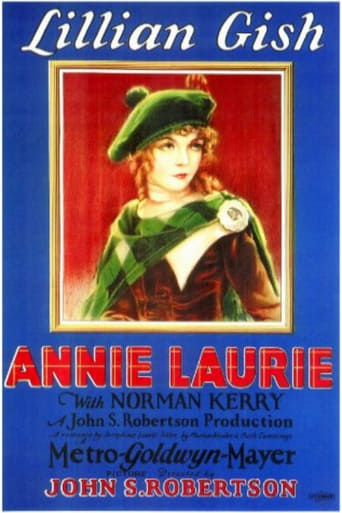
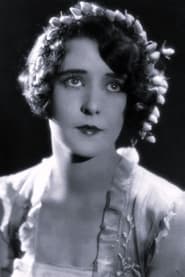
Silent film actress: career was remarkably brief yet notable during the transition period of late silent cinema. She made her mark in 1927 with her appearance in the MGM historical drama 'Annie Laurie,' starring the Lillian Gish. Avery played the role of Jean MacLean in this romantic tragedy set in the Scottish Highlands, which was one of the prestigious productions of its time. Despite being part of a major studio production, her filmography appears to be limited to this single known film, making her a fascinating example of the many performers who briefly graced the silver screen during Hollywood's golden silent era. Her career coincided with the final years of silent cinema before the advent of sound would revolutionize the industry. Like many supporting actors of her time, she did not successfully transition to talkies, and her screen presence remains captured only in this one surviving film from 1927.
The Craft
On Screen
As a silent film actress, Patricia Avery would have employed the exaggerated gestures and facial expressions characteristic of the era, using physical acting techniques to convey emotion without dialogue. Her performance in 'Annie Laurie' suggests she was capable of handling dramatic material in the grand style favored by MGM productions of the period.
Milestones
- Appeared in MGM's prestigious production 'Annie Laurie' (1927)
- Worked alongside silent film legend Lillian Gish
- Participated in one of the major historical dramas of the late silent era
Best Known For
Iconic Roles
Must-See Films
Working Relationships
Worked Often With
Studios
Why They Matter
Impact on Culture
Patricia Avery represents the countless supporting actors who contributed to Hollywood's silent era but whose careers were brief and largely undocumented. Her appearance in 'Annie Laurie' places her within the context of MGM's prestigious late-silent productions, which were among the most elaborate and expensive films of their time. These films helped establish the star system and studio production methods that would define Hollywood for decades. While not a major star herself, Avery's participation in such a significant production demonstrates the collaborative nature of classic cinema and the importance of ensemble casting in creating the silent film.
Lasting Legacy
Patricia Avery's legacy is preserved primarily through her single known film appearance in 'Annie Laurie' (1927), which survives as an example of late silent era filmmaking at its most polished. She represents the transient nature of early Hollywood careers and the many performers who briefly illuminated the screen before fading into obscurity. Her work serves as a reminder of the vast talent pool that studios drew upon during cinema's formative years, many of whom left behind only fragmentary records of their contributions to film history.
Who They Inspired
As a brief contributor to silent cinema, Patricia Avery's direct influence on subsequent generations of performers is difficult to trace. However, like all actors of her era, she was part of the foundation upon which modern screen acting was built, participating in the evolution of film performance techniques during the crucial transition from stage to screen acting methods.
Off Screen
Very little is documented about Patricia Avery's personal life, which is typical for many supporting players from the silent era who did not achieve lasting fame. Like many actresses of her generation, she may have retired from films following marriage or the transition to sound pictures, as was common in the late 1920s.
Education
null
Did You Know?
- Her only known film appearance was in 1927, the final year of the silent era before sound revolutionized Hollywood
- 'Annie Laurie' was one of MGM's most expensive productions of 1927, budgeted at $373,000
- The film was based on a popular Scottish folk song and starred Lillian Gish in the title role
- Patricia Avery played Jean MacLean, sister to the character played by Lillian Gish
- The film was shot on location in Yosemite National Park to stand in for the Scottish Highlands
- Director John S. Robertson was known for his work with Mary Pickford before directing 'Annie Laurie'
- The film featured elaborate costumes designed by MGM's renowned costume department
- Like many silent films, 'Annie Laurie' included a synchronized musical score and sound effects using the Vitaphone process
In Their Own Words
null
Frequently Asked Questions
Who was Patricia Avery?
Silent film actress active in 1927, best known for her role as Jean MacLean in MGM's historical drama 'Annie Laurie' starring Lillian Gish. Her career appears to have been limited to this single film, making her one of the many brief contributors to late silent cinema.
What films is Patricia Avery best known for?
Titles linked here include Annie Laurie (1927).
When was Patricia Avery born and when did she die?
Born 1905; died null.
What awards did Patricia Avery win?
There are no recorded awards or nominations for Patricia Avery, which is typical for a supporting actress with such a brief career in the 1920s film industry.
What was Patricia Avery's acting style?
As a silent film actress, Patricia Avery would have employed the dramatic physical acting style characteristic of the late 1920s, using expressive gestures and facial movements to convey emotion in the absence of dialogue.