Madeline Brandeis
Director
Born: December 20, 1897 in San Francisco, California, USA Died: 1975 Active: 1918-1920s
Films
1 film
About Madeline Brandeis
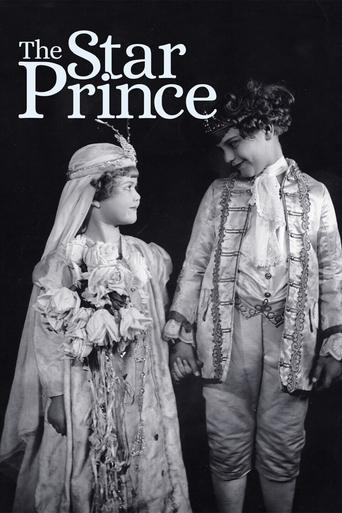
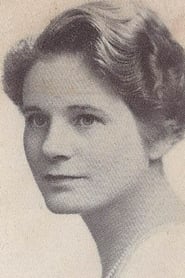
Female director and filmmaker during the silent era, best known for her 1918 fantasy film 'The Star Prince.' As one of the relatively few women directing films in the early 20th century, Brandeis represented a trailblazing figure in cinema history. Her work emerged during a period when women had more opportunities behind the camera in Hollywood, particularly in the 1910s before the studio system consolidated power. 'The Star Prince' was a fairy tale adaptation that showcased her visual storytelling abilities and imaginative approach to filmmaking. While her directorial career appears to have been brief, her contribution to early cinema represents an important part of the often-overlooked history of women filmmakers. Brandeis was part of a generation of early female directors who helped establish cinematic language and techniques that would influence future filmmakers. Her work reflects the artistic experimentation and creative freedom that characterized the silent era's golden age.
The Craft
Behind the Camera
Madeline Brandeis demonstrated a whimsical and imaginative directing style, particularly suited for fantasy and children's stories. Her approach emphasized visual storytelling through elaborate sets, costumes, and special effects typical of the silent era's fantasy genre. Brandeis showed a particular sensitivity to child actors and family-oriented narratives, creating films that appealed to both young audiences and adults. Her work in 'The Star Prince' featured the dreamlike qualities and theatrical presentation common in silent cinema, with careful attention to visual composition and emotional expression through gesture and pantomime.
Milestones
- Directed 'The Star Prince' (1918)
- One of the few female directors in silent era Hollywood
- Produced and directed children's films
- Founded her own production company
Best Known For
Must-See Films
Accolades
Special Recognition
- Recognized as one of the women directors of the silent era
Working Relationships
Worked Often With
Studios
Why They Matter
Impact on Culture
Madeline Brandeis represents an important but often overlooked chapter in film history as one of the women directors who helped shape early cinema during the silent era. Her work contributed to the development of fantasy and children's film genres, demonstrating that these categories could be both artistically ambitious and commercially viable. As a female director in an era when women were gradually being pushed out of creative roles in Hollywood, Brandeis's career exemplifies both the opportunities and limitations faced by women filmmakers. Her film 'The Star Prince' serves as a valuable artifact of early American fantasy cinema and women's contributions to the medium. Brandeis's legacy has been increasingly recognized by film historians working to document and celebrate the achievements of early women directors who have been marginalized in traditional film histories.
Lasting Legacy
Madeline Brandeis's lasting legacy lies in her role as one of the women directors of American cinema, particularly in the fantasy and children's film genres. Though her filmography may be small, her work represents the creative possibilities available to women filmmakers during the silent era. 'The Star Prince' stands as proof of her artistic vision and technical skill, preserved as an important example of early American fantasy cinema. Modern film historians and archivists continue to rediscover and reassess the contributions of directors like Brandeis, placing her work in the broader context of women's history in American film. Her story serves as inspiration for contemporary female filmmakers and reminds us of the rich, diverse history of women's participation in cinema from its earliest days.
Who They Inspired
While direct documentation of Madeline Brandeis's influence on other filmmakers is limited due to the scarcity of historical records, her work as a female director during the silent era contributed to the broader landscape of women's cinema that would influence future generations. Her approach to fantasy and children's storytelling helped establish conventions that would later be refined by other directors in these genres. The very existence of her work demonstrated that women could successfully direct commercially viable and artistically ambitious films, paving the way for future female directors. Contemporary scholars and filmmakers studying early cinema often cite directors like Brandeis as examples of the rich diversity of voices that characterized early American film before the industry's homogenization under the studio system.
Off Screen
Madeline Brandeis was born into a prominent San Francisco family and showed early interest in the arts and storytelling. She married and had children, balancing her family life with her creative pursuits in filmmaking. Her career in the film industry coincided with a period when women held more prominent roles behind the camera before the consolidation of the studio system. Brandeis was part of a network of early female filmmakers who supported each other's work in an industry that would later become dominated by men. Her personal philosophy emphasized the importance of quality entertainment for children and families.
Education
Unknown
Family
- Unknown
Did You Know?
- One of approximately 50 women directing films in America during the silent era
- Directed 'The Star Prince' when she was only 21 years old
- Her film was based on a fairy tale, reflecting the popularity of fantasy stories in silent cinema
- Women directors were more common in the 1910s than in later decades
- Her career coincided with what some historians call the 'golden age' of women in film direction
- The Star Prince is one of the few surviving examples of her directorial work
- She was part of a generation of filmmakers who helped establish cinema as an art form
- Her work represents an important bridge between early experimental film and more narrative-driven cinema
- Like many early filmmakers, she was involved in multiple aspects of production beyond directing
- Her films were distributed during the transitional period when cinema was evolving from short subjects to feature-length productions
In Their Own Words
Unknown - no documented quotes from Madeline Brandeis are available in historical records
Frequently Asked Questions
Who was Madeline Brandeis?
American on YTB.my.' She was one of the relatively few women working as directors in early Hollywood and contributed to the development of fantasy and children's cinema.
What films is Madeline Brandeis best known for?
Titles linked here include The Star Prince (1918).
When was Madeline Brandeis born and when did she die?
Born December 20, 1897; died 1975.
What awards did Madeline Brandeis win?
No specific awards for Madeline Brandeis have been documented in historical records. However, she is recognized by film historians as one of the women directors of the silent era, and her work is valued for its historical significance and contribution to early cinema.
What was Madeline Brandeis's directing style?
Madeline Brandeis's directing style emphasized visual storytelling with a focus on fantasy and children's narratives. Her work in 'The Star Prince' featured elaborate sets, costumes, and the theatrical presentation typical of silent-era fantasy films, with careful attention to visual composition and emotional expression through gesture.