No Poster
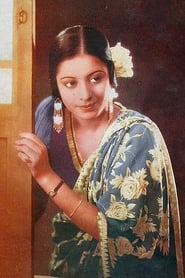
Kanan Devi
Actor
Born: April 22, 1916 in Calcutta, Bengal Presidency, British India (now Kolkata, West Bengal, India) Died: July 17, 1992 Active: 1926-1958 (as actress), extended career as producer and politician until 1970s Birth Name: Kanan Bala (early career name, later known as Kanan Devi)
Films
1 film
About Kanan Devi
Kanan Devi was born in 1916 in Calcutta and rose to become one of Indian cinema's earliest singing stars and most accomplished actresses. She began her career as a child artist in silent films before transitioning to talkies, where her melodious voice and acting talent made her a sensation. Her breakthrough came with the 1937 film 'Vidyapati,' which established her as a leading lady in both Bengali and Hindi cinema. Throughout the 1930s and 1940s, she became one of the highest-paid actresses in Indian cinema, known for her dual talents as both singer and performer. She received numerous accolades including the Padma Shri in 1968 and the Dadasaheb Phalke Award in 1976 for her contributions to Indian arts. Later in life, she ventured into film production and served as a member of parliament, representing the arts community. She passed away in 1992, leaving behind a rich legacy as a pioneer who helped shape Indian cinema's golden era.
The Craft
On Screen
Natural and expressive acting style that combined traditional Indian theatrical techniques with modern cinematic sensibilities. She was particularly known for her ability to convey deep emotions through subtle facial expressions and body language, making her performances relatable to audiences. Her acting was often enhanced by her singing, creating a unique audiovisual experience that set her apart from her contemporaries.
Milestones
- Debut in silent film 'Jore Barat' (1926) as child artist
- Breakthrough role in 'Vidyapati' (1937)
- Became highest-paid actress in Indian cinema (1940s)
- Received Padma Shri award (1968)
- Awarded Dadasaheb Phalke Award (1976)
- Elected to Lok Sabha (Indian Parliament) (1972-1977)
Best Known For
Iconic Roles
Must-See Films
Accolades
Won
- Padma Shri (1968)
- Dadasaheb Phalke Award (1976)
- Bengal Film Journalists' Association Awards (multiple wins)
Nominated
- Nominated for Best Actress at various film award ceremonies throughout her career
Special Recognition
- First Indian actress to receive the Dadasaheb Phalke Award
- Honored with postage stamp by Indian Postal Service
- Featured in '100 Years of Indian Cinema' commemoration
- Member of Parliament (Lok Sabha) representing arts and culture
Working Relationships
Worked Often With
Studios
Why They Matter
Impact on Culture
Kanan Devi revolutionized Indian cinema by being one of the first actresses to successfully combine acting and singing on screen, setting a precedent for future generations. Her work helped establish the tradition of singing stars in Indian cinema, influencing the entire industry's approach to musical films. She broke barriers for women in Indian cinema, becoming one of the first female stars to command equal pay and respect in a male-dominated industry. Her performances in films like 'Vidyapati' helped preserve and popularize traditional Indian music and culture through the medium of cinema. She also played a crucial role in bridging the gap between Bengali and Hindi cinema, working successfully in both industries and helping to create a pan-Indian film culture.
Lasting Legacy
Kanan Devi's legacy endures as one of Indian cinema's foundational figures who helped shape the industry during its formative years. She is remembered as a pioneer who proved that women could be successful as both actors and singers, challenging traditional gender roles in Indian society. Her films continue to be studied and appreciated for their artistic merit and historical significance. The awards and recognition she received, including the Dadasaheb Phalke Award, cement her status as a legend of Indian cinema. Her journey from child artist to respected parliamentarian serves as an inspiration for generations of artists and women in India. The techniques she developed for combining singing and acting continue to influence Bollywood and regional cinema to this day.
Who They Inspired
Kanan Devi influenced countless future generations of Indian actresses who aspired to be both singers and performers. Her success paved the way for later singing stars like Suraiya, Noor Jehan, and eventually the playback singer system that became standard in Indian cinema. She demonstrated that women could be powerful cultural icons and business leaders, inspiring future female producers and directors. Her approach to combining classical Indian music with popular cinema influenced how musical films would be made in India for decades. Her work also influenced how Indian cinema would preserve and promote traditional arts and culture through the medium of film.
Off Screen
Kanan Devi had a complex personal life marked by early struggles and later success. She married twice - first to Ratan Bai's brother Haridas Bhattacharya, which ended in divorce, and later to businessman Radharaman Mitra in 1940. Despite facing personal challenges, including financial difficulties in her early career, she maintained her dignity and became a respected figure in Indian society. She was known for her philanthropic work and support of emerging artists in the film industry.
Education
Limited formal education due to early entry into films, but received extensive training in classical music and dance from renowned gurus in Calcutta
Family
- Haridas Bhattacharya (1930s, divorced)
- Radharaman Mitra (1940-1977, until his death)
Did You Know?
- Was one of the first Indian actresses to earn Rs. 1 lakh per film
- Started her career at age 6 as a child artist in silent films
- Initially sang under the name 'Kanan Bala' before adopting 'Kanan Devi'
- Was the first Indian film star to be featured on a postage stamp
- Her song 'Yeh Duniya Hai Ek Khel' from 'Jhoola' became extremely popular
- Could sing in multiple languages including Bengali, Hindi, Urdu, and English
- Was offered a Hollywood contract but declined to focus on Indian cinema
- Established her own production company 'Shrimati Pictures' in 1949
- Was a trained classical dancer in addition to being a singer
- Her voice was considered so versatile that she could sing both classical and modern songs with equal ease
- Was one of the few actresses of her time to successfully transition from silent films to talkies
- Her collaboration with K. L. Saigal in 'Street Singer' is considered one of Indian cinema's classic pairings
In Their Own Words
Music and acting are two sides of the same coin for me - I cannot separate one from the other
In cinema, we don't just entertain, we preserve our culture for future generations
Success in films comes not just from talent, but from understanding the heart of the audience
Being a woman in cinema was challenging, but I believed in my art and never gave up
The greatest reward is not money or fame, but knowing that your work touched someone's heart
Frequently Asked Questions
Who was Kanan Devi?
Indian actress and singer who became one of the earliest singing stars in Indian cinema. She was active from the 1920s through the 1950s, working primarily in Bengali and Hindi films, and was known for her melodious voice and natural acting style.
What films is Kanan Devi best known for?
Titles linked here include Vidyapati (1937), Street Singer (1938).
When was Kanan Devi born and when did she die?
Born April 22, 1916; died July 17, 1992.
What awards did Kanan Devi win?
Kanan Devi received numerous prestigious awards including the Padma Shri in 1968 and the Dadasaheb Phalke Award in 1976, which is India's highest award in cinema. She also won several Bengal Film Journalists' Association Awards and was the first actress to receive the Dadasaheb Phalke Award.
What was Kanan Devi's acting and singing style?
Kanan Devi was known for her natural and expressive acting style that combined traditional Indian theatrical techniques with modern cinematic sensibilities. Her singing style was versatile, ranging from classical to popular music, and she could perform in multiple languages including Bengali, Hindi, and Urdu.