Films
1 film
About Keshavrao Dhaiber
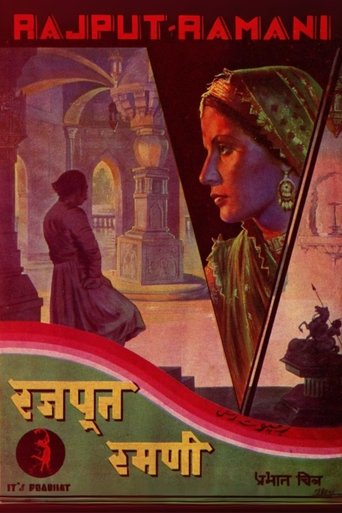
Early pioneer of Indian cinema who emerged during the transitional period from silent films to talkies in the 1930s. His most notable work, 'Rajput Ramani' (1936), represents one of the early examples of Indian sound cinema, produced during a formative decade for the Indian film industry. As a director during this era, Dhaiber was part of the first generation of filmmakers who had to adapt to the new technology of synchronized sound while maintaining the visual storytelling traditions established in the silent period. His work reflected the growing trend of historical and mythological narratives that dominated early Indian cinema, often drawing from the rich cultural heritage of the subcontinent. While his directorial career appears to have been brief, spanning primarily the mid-1930s, his contribution to establishing the foundations of Indian narrative cinema is significant. Dhaiber worked during a time when the Indian film industry was still developing its unique identity and technical capabilities, making him an important figure in the evolution of Bollywood's early years.
The Craft
Behind the Camera
Early Indian narrative cinema style focusing on historical and cultural themes typical of 1930s Indian filmmakers
Milestones
- Directed 'Rajput Ramani' (1936)
- Pioneer of early Indian talkies
- Contributor to 1930s Indian cinema
Best Known For
Must-See Films
Why They Matter
Impact on Culture
Keshavrao Dhaiber represents the generation of filmmakers who helped establish the foundations of Indian cinema during its formative years. His work on 'Rajput Ramani' contributed to the early development of narrative filmmaking in India, particularly during the crucial transition from silent films to talkies. Directors of this era played a vital role in establishing storytelling techniques, visual styles, and thematic elements that would influence subsequent generations of Indian filmmakers. The historical and cultural themes explored in films like 'Rajput Ramani' helped create a uniquely Indian cinematic language that drew from the country's rich heritage while embracing new technological possibilities.
Lasting Legacy
While detailed records of Keshavrao Dhaiber's complete body of work are limited, his contribution to early Indian cinema places him among the pioneers who helped shape the industry during its nascent stages. The 1930s was a decade of tremendous growth and experimentation in Indian filmmaking, and directors like Dhaiber were instrumental in developing the narrative and technical foundations that would support the industry's future expansion. His work represents an important chapter in the history of Indian cinema, documenting the early efforts to create a distinct national film identity.
Who They Inspired
As an early director in Indian cinema, Keshavrao Dhaiber would have been part of the foundational generation that influenced subsequent filmmakers through their experiments with narrative structure, visual storytelling, and the integration of sound. The techniques and approaches developed during this period by directors like Dhaiber helped establish conventions that would be refined and expanded upon by later generations of Indian filmmakers.
Off Screen
Very limited information is available about Keshavrao Dhaiber's personal life, which is common for many early Indian cinema figures from the 1930s era when detailed documentation of filmmakers' lives was not systematically maintained.
Did You Know?
- Active during the crucial transition period from silent films to talkies in Indian cinema
- 'Rajput Ramani' (1936) was produced during the first decade of Indian sound cinema
- The 1930s was a formative decade for the Indian film industry, establishing many conventions that would last for decades
- Early Indian directors like Dhaiber often worked with limited resources and technology compared to later periods
- Historical and mythological themes were extremely popular in early Indian cinema, as evidenced by 'Rajput Ramani'
- Many early Indian cinema figures have limited biographical records due to inadequate documentation systems of the time
- The film industry in the 1930s was centered primarily in Bombay (now Mumbai) and Calcutta (now Kolkata)
Frequently Asked Questions
Who was Keshavrao Dhaiber?
Early Indian cinema on YTB.my. He was part of the first generation of Indian filmmakers who worked during the crucial transition from silent films to talkies.
What films is Keshavrao Dhaiber best known for?
Titles linked here include Rajput Ramani (1936).
When was Keshavrao Dhaiber born and when did he die?
Specific birth and death dates for Keshavrao Dhaiber are not available in existing records, which is common for many early Indian cinema figures from the 1930s era when detailed biographical documentation was limited.
What awards did Keshavrao Dhaiber win?
There are no documented awards or honors for Keshavrao Dhaiber, which reflects the early stage of the Indian film industry in the 1930s when formal award systems were not yet established.
What was Keshavrao Dhaiber's directing style?
Based on the era and his known work 'Rajput Ramani,' Dhaiber's directing style likely reflected the early Indian cinema approach of combining historical and cultural themes with the new possibilities of sound technology, typical of filmmakers working during the formative years of Indian talkies.