Films
1 film
About A.K. Kamalam
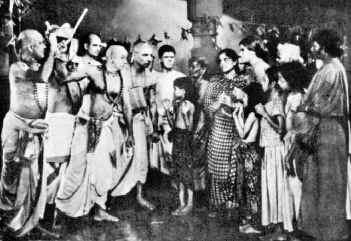
A.K. Kamalam performed in early Tamil cinema during the late 1930s. Her most notable and possibly only significant film role was in the 1939 social drama 'Thyagabhoomi', directed by the filmmaker K. Subramanyam. This film was considered for its time, addressing social reform themes and women's issues in pre-independence India. Kamalam's contribution to the film, while not extensively documented, was part of this important milestone in Indian cinema history. Like many actors from this early period of Indian filmmaking, detailed records of her career and personal life are scarce, reflecting the limited documentation practices of early Indian cinema. Her appearance in 'Thyagabhoomi' places her among the early generation of Tamil film actresses who helped establish the foundations of South Indian cinema.
The Craft
On Screen
Like many actors of early Tamil cinema, A.K. Kamalam's acting style would have been influenced by the theatrical traditions of the time, with exaggerated gestures and expressions suitable for the limited technology of early sound films
Milestones
- Appeared in the landmark Tamil social film 'Thyagabhoomi' (1939)
Best Known For
Iconic Roles
Must-See Films
Working Relationships
Worked Often With
Why They Matter
Impact on Culture
A.K. Kamalam's contribution to Indian cinema, while limited in scope, is part of the broader cultural impact of 'Thyagabhoomi', which was one of the first Tamil films to address social reform themes. The film was notable for its progressive stance on women's rights and social issues, and was even banned by the British colonial government for its nationalist themes. By participating in this groundbreaking film, Kamalam contributed to early Indian cinema's evolution from purely entertainment to socially conscious storytelling.
Lasting Legacy
A.K. Kamalam's legacy is primarily tied to her involvement in 'Thyagabhoomi', which remains an important film in Indian cinema history. The film is remembered for its bold social themes and was one of the earliest Indian films to gain international recognition. While individual details about Kamalam's career may be lost to history, she represents the generation of early Tamil cinema pioneers who helped establish the foundation for South Indian film industry.
Who They Inspired
Given the limited documentation of her career, it's difficult to trace A.K. Kamalam's direct influence on other actors. However, her participation in socially relevant cinema during the formative years of Tamil film industry contributed to the broader trend of using cinema as a medium for social reform and change in India.
Off Screen
Very little information is available about A.K. Kamalam's personal life, which was common for many supporting actors in early Indian cinema. Detailed biographical records were not systematically maintained during this period of Indian film history.
Did You Know?
- 'Thyagabhoomi' (1939) was one of the first Tamil films to deal with social reform themes
- The film was banned by the British colonial government for its nationalist content
- Director K. Subramanyam was a pioneer of socially relevant cinema in India
- The film featured music by the renowned composer Papanasam Sivan
- Despite being made in 1939, some prints of 'Thyagabhoomi have survived and are preserved as part of India's cinematic heritage
- The film was notable for its strong female characters, which was progressive for its time
Frequently Asked Questions
Who was A.K. Kamalam?
Indian actress from the early Tamil cinema era, best known for her appearance in the 1939 film 'Thyagabhoomi'. She was active during the formative years of Indian cinema, a period when documentation of actors was limited.
What films is A.K. Kamalam best known for?
Titles linked here include Thyagabhoomi (1939).
When was A.K. Kamalam born and when did she die?
Unfortunately, specific birth and death dates for A.K. Kamalam are not available in historical records, which was common for many supporting actors from early Indian cinema.
What awards did A.K. Kamalam win?
There are no documented awards or honors specifically for A.K. Kamalam, as the formal award systems for Indian cinema were not established during her brief career in the late 1930s.
What was A.K. Kamalam's acting style?
Like actors of early Tamil cinema, A.K. Kamalam's acting style would have been influenced by theatrical traditions, featuring expressive gestures and dramatic delivery suitable for early sound film technology.
Why is 'Thyagabhoomi' historically significant?
'Thyagabhoomi' (1939) is historically significant as one of the first Tamil films to address social reform themes and women's rights. It was banned by British authorities for its nationalist content and represents early Indian cinema's evolution toward socially conscious filmmaking.