Films
1 film
About K.J. Mahadevan
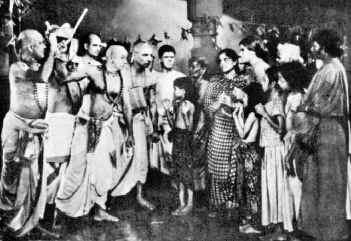
This archive lists one role for K.J. Mahadevan: Thyagabhoomi (1939). His known filmography consists of the landmark 1939 social drama 'Thyagabhoomi', directed by the K. Subrahmanyam. This film was significant for its progressive themes addressing social reform, particularly regarding widow remarriage and women's rights in Indian society. As was common with many actors of this era, detailed documentation about his career trajectory and personal life remains scarce. His appearance in 'Thyagabhoomi' places him among the early generation of actors who helped establish the foundations of Tamil cinema during its transition from silent films to talkies. The film itself was highly controversial at the time of release and was even banned by the British colonial government for its nationalist themes.
The Craft
Milestones
- Appeared in the social film Thyagabhoomi (1939)
Best Known For
Must-See Films
Working Relationships
Worked Often With
Why They Matter
Impact on Culture
K.J. Mahadevan's participation in 'Thyagabhoomi' connects him to. The film was instrumental in bringing social reform themes to mainstream Indian cinema and addressed controversial topics like widow remarriage at a time when such subjects were taboo. The film's nationalist undertones and progressive social message made it an important cultural artifact of pre-independence India. Though his role may have been supporting, his contribution was part of a collective effort that helped establish cinema as a medium for social change in India.
Lasting Legacy
As an actor from the foundational years of Tamil cinema, K.J. Mahadevan represents the many early performers who helped build the Indian film industry. His work in 'Thyagabhoomi' ensures his place in the historical record of Indian cinema, even if detailed documentation of his career is limited. The film itself has been preserved as an important milestone in Indian film history, and by extension, all its contributors, including Mahadevan, are part of this cinematic heritage.
Who They Inspired
Given the limited documentation of his career and the brevity of his known filmography, specific information about K.J. Mahadevan's influence on other actors or filmmakers is not available. However, his participation in socially significant cinema during its formative years contributed to the broader movement of using films as vehicles for social reform in India.
Off Screen
Very little documented information exists about the personal life of K.J. Mahadevan, which was common for many supporting actors in early Indian cinema whose contributions were not extensively recorded.
Did You Know?
- Appeared in Thyagabhoomi (1939), one of the earliest Tamil films to deal with social reform themes
- The film he acted in was banned by the British colonial government for its nationalist content
- Thyagabhoomi was directed by K. Subrahmanyam, a pioneer of socially relevant Indian cinema
- The film's title translates to 'Land of Sacrifice' in English
- His film career appears to have been limited to or primarily documented by this single significant film
Frequently Asked Questions
Who was K.J. Mahadevan?
Screen credits include the 1939 Tamil film Thyagabhoomi, a social drama that addressed issues like widow remarriage and social reform during the pre-independence era.
What films is K.J. Mahadevan best known for?
Titles linked here include Thyagabhoomi (1939).
When was K.J. Mahadevan born and when did he die?
Specific birth and death dates for K.J. Mahadevan are not documented in available historical records, which is common for many supporting actors from early Indian cinema.
What awards did K.J. Mahadevan win?
No documented awards or formal recognitions for K.J. Mahadevan are available in historical records, as the formal award systems for Indian cinema were not yet established during his active period.
What was K.J. Mahadevan's acting style?
Specific details about K.J. Mahadevan's acting style are not documented, which is typical for many supporting actors from early Indian cinema whose performances and techniques were not extensively analyzed or recorded.
Why is Thyagabhoomi historically significant?
Thyagabhoomi (1939) is historically significant as one of the first Tamil films to tackle social reform themes, was banned by British authorities for its nationalist content, and represents the emergence of socially conscious cinema in India.