Films
1 film
About Rushyendramani
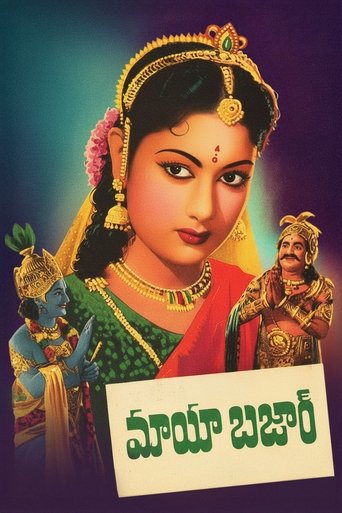
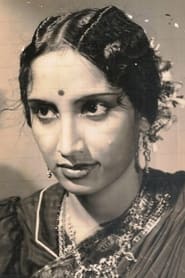
Indian actress and playback singer associated primarily with Telugu and other South Indian cinema during the studio era and the early decades of sound films. She is remembered as one of the notable women performers of her generation, working in an industry that was still establishing its performance traditions, especially in mythological and historical films. Her screen presence was often linked to dignified, emotionally charged, and classically rooted roles, and she became part of the performance culture that helped define early Telugu cinema. Rushyendramani appears in or around the period of major mythological productions, including the landmark film Mayabazar (1957), a title that remains films in Indian cinema history. As with many actresses from the classic era, her surviving public record is comparatively sparse, and detailed biographical documentation is limited in widely available reference sources. Nevertheless, she remains an identifiable figure in the history of South Indian film performance, particularly for audiences and historians interested in the supporting and character-actor tradition of mid-century cinema. Her legacy rests on her association with a foundational period in regional Indian film history and the enduring popularity of the films in which she appeared.
The Craft
On Screen
Her acting style is generally associated with the conventions of classic South Indian cinema: expressive but controlled facial acting, clear emotional projection, and a stage-influenced screen presence suited to mythological and dramatic narratives. Performers of her era typically relied on diction, poise, and heightened emotional clarity rather than realism in the modern sense, and Rushyendramani appears to have worked comfortably within that tradition. Where she is documented, her roles suggest an emphasis on dignity, moral authority, and a classical performance manner. As a singer-performer from the era, she would also have been part of the tradition in which musicality and dramatic expression were closely linked.
Milestones
- Associated with the classic Telugu fantasy-mythological film Mayabazar (1957),
- Worked during a formative era of South Indian sound cinema when mythologicals and family dramas dominated popular screens
- Recognized as part of the generation of actresses who helped shape the performance style of mid-century Telugu film acting
- Participated in the studio-era system that connected acting, singing, and theatrical presentation in regional cinema
- Maintained a place in film history through inclusion in enduringly popular vintage productions
Best Known For
Iconic Roles
Must-See Films
Why They Matter
Impact on Culture
Rushyendramani belongs to the generation of performers who helped establish the grammar of Telugu and South Indian sound cinema, especially in mythological storytelling where poise, vocal authority, and emotional clarity were central. Even when actors from this period were not always foregrounded in later fan culture, their work formed the backbone of the ensemble system that made landmark films like Mayabazar possible. Her presence in a film that became an enduring touchstone of Indian popular culture ensures that she remains part of the historical memory of classic cinema. For scholars and enthusiasts, she represents the many important supporting artists whose work sustained the artistic and commercial success of regional film industries.
Lasting Legacy
Her lasting legacy lies in her association with the classic era of Telugu cinema and, most notably, with Mayabazar, a film that continues to be studied, screened, and celebrated decades after its release. In cinema history, performers like Rushyendramani are crucial because they preserve the performance traditions that bridged stage acting, early sound cinema, and later screen realism. While she may not have the extensive surviving star documentation of some contemporaries, her filmography places her within. Her name endures as part of the cast of a canonical film and as a representative of the women performers who gave depth and credibility to the mythological genre.
Who They Inspired
Rushyendramani's influence is best understood collectively rather than through a single highly publicized star persona. She contributed to the model of female performance in early Telugu cinema, where restraint, vocal expressiveness, and classical bearing were highly valued. Later actresses working in mythological and family-centered films inherited a cinematic environment shaped by performers of her generation. Her participation in a canonical production like Mayabazar also means her work continues to be seen by new audiences, keeping the performance traditions of her era visible.
Off Screen
Reliable publicly accessible details about Rushyendramani's personal life are limited in common reference sources. Information about her family background, marital history, and children is not widely documented in standard film databases available to the public. Like many actresses of the early and mid-20th century in Indian cinema, her private life appears to have remained largely outside the spotlight compared with her screen work. Further archival research in regional film publications or studio records would likely be needed to establish a fuller personal biography.
Did You Know?
- She is associated with Mayabazar (1957),.
- She worked in an era when many South Indian performers moved between acting and singing.
- Her career reflects the studio-era tradition in which supporting actors were essential to mythological storytelling.
- Publicly available biographical information about her is limited compared with later film stars.
- She is part of the historical record of early Telugu cinema rather than the more extensively documented mainstream star system.
- Her name is preserved in film histories largely through cast lists and period references.
- She represents the often under-credited character and supporting performers who helped define classic Indian cinema.
Frequently Asked Questions
Who was Rushyendramani?
Indian actress and playback singer associated with classic South Indian cinema, especially Telugu films. She is best remembered today for her participation in the landmark film Mayabazar (1957) and for representing the performance traditions of the studio era.
What films is Rushyendramani best known for?
Titles linked here include Mayabazar (1957).
When was Rushyendramani born and when did she die?
Her exact birth and death dates are not clearly documented in the widely accessible sources available for this profile. More specialized regional archives or film reference materials would be needed to confirm those details.
What awards did Rushyendramani win?
No major awards or formal honors are clearly documented in the available public record used for this profile. Her recognition is primarily historical and filmic, tied to her work in classic cinema rather than to widely publicized award listings.
What was Rushyendramani's acting style?
Her acting style is best understood as classic South Indian performance of the studio era: dignified, expressive, and shaped by theatrical traditions. In films like Mayabazar, performers of her type typically emphasized clarity of emotion, poise, and strong vocal presence.
What is Rushyendramani's legacy in film history?
Her legacy comes from her place in the golden age of Telugu cinema and her association with. She stands as part of the generation of actresses whose work helped establish the tone and structure of mythological and family-oriented cinema.