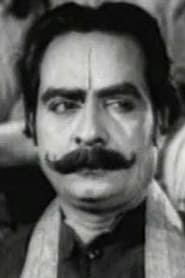
C S R Anjaneyulu
Actor
Born: July 31, 1907 in Narsapur, West Godavari District, Andhra Pradesh, India Died: October 8, 1963 Active: 1951-1963 Birth Name: Chitluru Satyanarayana Rao Anjaneyulu
Films
2 films
About C S R Anjaneyulu
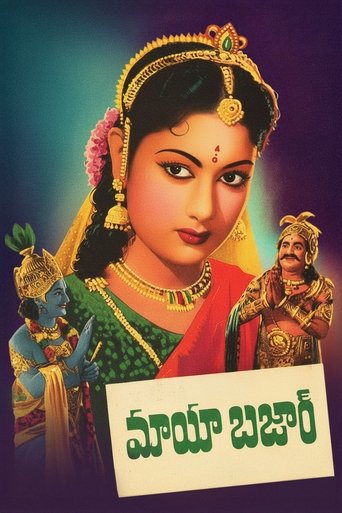
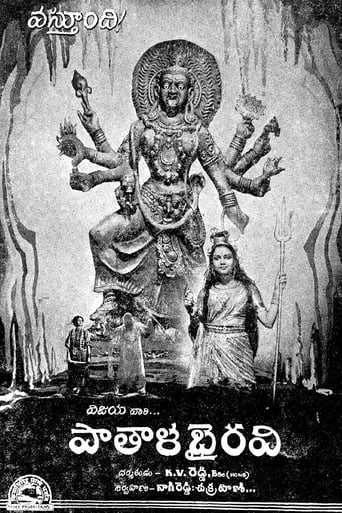
C. S. R. Anjaneyulu — character actor in the Golden Age of Telugu cinema, renowned for his powerful screen presence and versatile performances. Born in Andhra Pradesh, he began his acting career on the theatrical stage before transitioning to films in the early 1950s. His breakthrough came with his role in the mythological fantasy 'Pathala Bhairavi' (1951), where he played the antagonist with remarkable intensity and depth. Anjaneyulu reached the pinnacle of his career with his portrayal of Shakuni in 'Mayabazar' (1957), a performance that became in Indian cinema history. Throughout his brief but impactful film career, he specialized in playing complex antagonists and character roles, bringing nuance and gravitas to every performance. His ability to embody both mythological villains and complex dramatic characters made him sought-after character actors of his era. Despite his relatively short filmography spanning just over a decade, his influence on Telugu cinema remains profound and enduring.
The Craft
On Screen
Anjaneyulu was known for his commanding screen presence and deep, resonant voice that brought authority to his characters. He employed a classical acting style rooted in traditional Indian theater, combining exaggerated expressions with subtle emotional nuances. His performances were characterized by intense eye movements, powerful dialogue delivery, and an ability to convey complex emotions through minimal gestures. He particularly excelled in portraying villainous characters with depth, avoiding one-dimensional evil in favor of complex motivations. His physical presence and stature added gravitas to his roles, making him particularly effective in mythological and historical films.
Milestones
- Breakthrough role in 'Pathala Bhairavi' (1951) as the sorcerer
- Iconic portrayal of Shakuni in 'Mayabazar' (1957)
- Successful transition from stage to film acting
- Established himself as the premier antagonist in Telugu cinema
- Worked with legendary director K. V. Reddy in multiple classics
Best Known For
Iconic Roles
Must-See Films
Accolades
Special Recognition
- Remembered as one of Telugu cinema's greatest character actors
- His portrayal of Shakuni remains a benchmark for villain performances in Indian cinema
- Posthumous recognition in various film retrospectives and classic cinema celebrations
Working Relationships
Worked Often With
Studios
Why They Matter
Impact on Culture
C. S. R. Anjaneyulu's portrayal of Shakuni in 'Mayabazar' revolutionized antagonist roles in Indian cinema, setting a new standard for complex villain performances. His ability to bring depth and nuance to negative characters influenced generations of actors who followed. The film itself became a cultural phenomenon, with his character becoming part of popular culture references even decades after its release. His performances contributed significantly to the Golden Age of Telugu cinema, helping establish it as a major force in Indian filmmaking. His work in mythological films helped preserve and popularize traditional Indian stories and values through the medium of cinema.
Lasting Legacy
Anjaneyulu's legacy endures through his iconic performances that continue to be studied and admired by film scholars and actors. His portrayal of Shakuni remains the definitive interpretation of the character, often referenced in discussions about great villain performances in Indian cinema. He helped establish the importance of character actors in Indian films, proving that supporting roles could be as impactful as lead performances. His work continues to inspire actors specializing in antagonist roles, and his films are regularly screened at classic film festivals and retrospectives. The technical excellence and artistic integrity of his performances set standards that continue to influence Telugu cinema.
Who They Inspired
Anjaneyulu influenced subsequent generations of character actors in Telugu and other Indian film industries. His method of preparing for roles, especially mythological characters, became a model for serious actors. His success demonstrated that character actors could achieve significant recognition and respect in the film industry. Many contemporary actors cite his performances as inspiration for their approach to playing complex antagonists. His work helped elevate the status of supporting actors in Indian cinema, leading to more substantial and meaningful roles for character actors in subsequent decades.
Off Screen
C. S. R. Anjaneyulu was deeply rooted in traditional Indian culture and maintained a simple lifestyle despite his film success. He was known for his dedication to his craft and often spent hours preparing for his roles, particularly studying mythological texts for his characters in period films. He was a family man who balanced his professional commitments with his personal responsibilities. His colleagues remembered him as a disciplined and professional actor who was always punctual and prepared on set. He was also known for his generosity and often helped struggling actors in the industry.
Education
Limited formal education, primarily trained in traditional theater and dramatic arts
Family
- Information not available
Did You Know?
- Despite being primarily known for villain roles, he had a background in classical theater and initially played heroic roles on stage
- His role as Shakuni in Mayabazar was so convincing that many people believed he was actually evil in real life
- He was particularly selective about his roles and only accepted parts that offered substantial character development
- Mayabazar was re-released in color in 2010, introducing his iconic performance to new generations
- His deep voice and powerful dialogue delivery made him a favorite among audiences for mythological films
- He often spent weeks studying scriptures and mythological texts to prepare for his roles
- Despite his success in films, he maintained close connections with the theater community throughout his career
- His death at age 56 cut short what could have been an even more influential career in cinema
In Their Own Words
Acting is not just performing; it's becoming the character and living their truth on screen
A villain is not born evil; circumstances and choices make them so. My job is to show that journey
Frequently Asked Questions
Who was C. S. R. Anjaneyulu?
C. S. R. Anjaneyulu — renowned character actor in Telugu cinema during the 1950s and early 1960s, best known for his powerful antagonist roles in classic films like Mayabazar and Pathala Bhairavi. He was particularly celebrated for his portrayal of Shakuni in Mayabazar, which became an iconic performance in Indian cinema history.
What films is C. S. R. Anjaneyulu best known for?
Titles linked here include Mayabazar (1957), Pathala Bhairavi (1951).
When was C. S. R. Anjaneyulu born and when did he die?
Born July 31, 1907; died October 8, 1963.
What awards did C. S. R. Anjaneyulu win?
While formal award data from his era is limited, C. S. R. Anjaneyulu received significant posthumous recognition for his contributions to cinema. His portrayal of Shakuni in Mayabazar is widely regarded as one of the greatest villain performances in Indian cinema, and he is remembered as one of Telugu cinema's most character actors.
What was C. S. R. Anjaneyulu's acting style?
Anjaneyulu employed a classical acting style rooted in traditional Indian theater, characterized by his commanding screen presence, deep resonant voice, and intense emotional expressions. He specialized in bringing depth and complexity to antagonist roles, avoiding one-dimensional evil in favor of nuanced performances that explored the psychological motivations of his characters.