Films
1 film
About Harry A. Gant
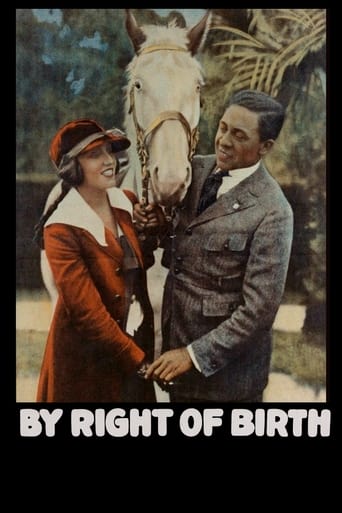
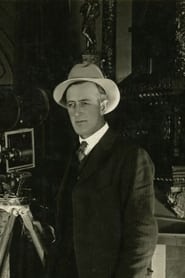
Filmmaker active during the silent era, best known for directing 'By Right of Birth' in 1921. His work emerged during a crucial period in American cinema when African American filmmakers were beginning to create their own narratives outside the Hollywood system. Gant's directorial effort on 'By Right of Birth' placed him among the early Black filmmakers who sought to present authentic representations of African American life on screen. The film was produced during the race film era, a period when movies were made specifically for Black audiences by Black producers and directors. Unfortunately, like many films from this period, detailed documentation about Gant's career beyond this single credited work remains scarce. His contribution, however significant, represents an important but often overlooked chapter in early American cinema history, particularly in the context of African American filmmaking. The limited surviving information about Gant reflects the broader challenge of documenting the careers of many independent filmmakers from this era.
The Craft
Behind the Camera
Limited documentation exists, but his work on 'By Right of Birth' suggests he was part of the movement to create authentic African American narratives during the silent era, focusing on stories relevant to Black audiences.
Milestones
- Directed 'By Right of Birth' (1921)
- Participated in early African American independent cinema movement
- Contributed to the race film era of the 1920s
Best Known For
Must-See Films
Accolades
Special Recognition
- Recognized as an early African American film pioneer
- Noted in film history archives for contributions to race cinema
Working Relationships
Worked Often With
Studios
Why They Matter
Impact on Culture
Harry A. Gant's work represents an important but often overlooked contribution to early American cinema, particularly in the context of African American filmmaking. His film 'By Right of Birth' was created during the race film era, a crucial period when Black filmmakers sought to counteract the negative stereotypes prevalent in mainstream Hollywood productions. These independent films were not only entertainment but also served as vehicles for cultural expression and community building. Gant's participation in this movement helped lay groundwork for future generations of African American filmmakers, demonstrating that Black stories could and should be told by Black creators. The existence of filmmakers like Gant during this period challenges the narrative that African American participation in cinema began much later in history.
Lasting Legacy
Harry A. Gant's legacy, though documented through only one surviving film credit, represents the broader story of African American entrepreneurship and artistic expression in early cinema. His work stands as testament to the independent spirit of Black filmmakers who created their own cinematic spaces when denied access to the mainstream industry. While 'By Right of Birth' may be lost to time, the fact of its creation and Gant's role as director contributes to our understanding of the diversity of voices present in early American film. His story, though fragmentary, is part of the larger narrative of resistance and creativity that defined the race film movement and continues to inspire discussions about representation in cinema today.
Who They Inspired
Due to the limited documentation of Harry A. Gant's career and the apparent loss of his film work, it's difficult to trace his direct influence on subsequent filmmakers. However, his participation in the early race film movement placed him among pioneers who demonstrated the necessity and viability of African American-controlled media production. The very existence of independent Black filmmakers like Gant during the 1920s helped establish a precedent that would influence later generations of African American directors who sought to tell their own stories outside the constraints of the mainstream industry.
Off Screen
Very little personal information about Harry A. Gant survives in historical records, which is unfortunately common for many independent filmmakers from the silent era, particularly those working outside the mainstream Hollywood system.
Did You Know?
- 'By Right of Birth' (1921) was Gant's only known directorial credit
- The film was part of the 'race film' movement - movies made by Black filmmakers for Black audiences
- Like many films from this era, 'By Right of Birth' is considered lost or extremely rare
- Gant worked during the silent era, a period when few African Americans had opportunities to direct films
- His work represents early independent filmmaking outside the Hollywood studio system
- The film was produced just as African American cinema was beginning to establish itself as a distinct movement
- Very little biographical information about Gant survives, which is common for independent filmmakers of this period
- His active years covered only the year 1921 according to available film records
- The film 'By Right of Birth' would have been one of the earliest feature films directed by an African American
- Gant's work contributes to the broader history of African American representation in early cinema
Frequently Asked Questions
Who was Harry A. Gant?
Early African American on YTB.my. He was part of the independent race film movement that created movies specifically for Black audiences outside the Hollywood system.
What films is Harry A. Gant best known for?
Titles linked here include By Right of Birth (1921).
When was Harry A. Gant born and when did he die?
Unfortunately, specific birth and death dates for Harry A. Gant are not available in historical records, which is common for many independent filmmakers from the silent era, particularly those working outside the mainstream industry.
What awards did Harry A. Gant win?
There are no documented awards for Harry A. Gant, which reflects both the limited recognition available to independent African American filmmakers in the 1920s and the scarcity of historical records from this period.
What was Harry A. Gant's directing style?
Due to the loss of his film work and limited documentation, specific details about Harry A. Gant's directing style are not known. However, his participation in the race film movement suggests he was committed to creating authentic African American narratives for Black audiences.
Why is Harry A. Gant significant in film history?
Harry A. Gant is significant as one of the early African American directors working during the silent era, representing the broader movement of Black filmmakers who created independent productions outside Hollywood's discriminatory system. His work contributes to understanding the diversity of voices in early American cinema.