Films
1 film
About Booker T. Washington
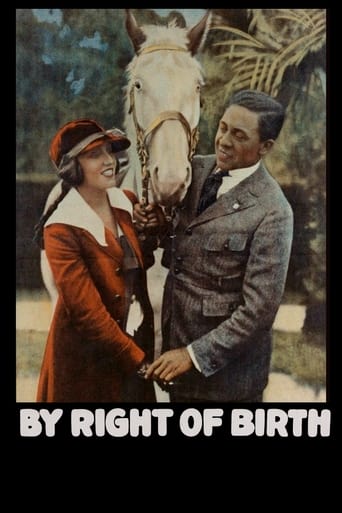
Booker T. Washington performed in silent film era, specifically known for his role in the 1921 film 'By Right of Birth. ' This film was significant as one of the early 'race films' produced by the Colored Players Film Corporation of Philadelphia, which was part of a movement to create cinema by and for African American audiences during a time of severe racial segregation in Hollywood. Washington was part of a generation of black actors who sought to break away from the stereotypical and often demeaning roles offered by mainstream white-controlled studios. His appearance in 'By Right of Birth' represented an important moment in African American cinematic history, as the film was written, directed, and produced by black filmmakers seeking to present authentic stories and positive representations of black life. While his filmography appears to be limited to this single known credit, his contribution to early black cinema represents the broader struggle for African American artistic expression and representation in the film industry during the early 20th century.
The Craft
Milestones
- Appeared in 'By Right of Birth' (1921), one of the early race films produced by African American filmmakers
Best Known For
Iconic Roles
Must-See Films
Working Relationships
Studios
Why They Matter
Impact on Culture
Booker T. Washington's participation in 'By Right of Birth' contributed to the important early movement of race films that sought to provide African American audiences with authentic representations of black life and culture, counteracting the racist caricatures prevalent in mainstream Hollywood cinema of the era. These films were crucial in creating a separate cinematic space where black performers could portray dignified, complex characters rather than the stereotypical roles offered by white-controlled studios. The existence of actors like Washington in these early productions helped lay the groundwork for future generations of African American filmmakers and performers who would eventually break into mainstream cinema while maintaining cultural authenticity.
Lasting Legacy
While Booker T. Washington may not be a widely recognized name in film history, his contribution to early African American cinema represents an important chapter in the broader struggle for representation and equality in American entertainment. His work in 'By Right of Birth' is part of the legacy of the race film movement, which preserved black cultural stories and provided employment opportunities for African American actors, directors, and technicians during a period of extreme segregation in the film industry. This legacy continues to be recognized by film historians and scholars who study the early contributions of African Americans to cinema.
Who They Inspired
As an early pioneer in African American cinema, Washington and his contemporaries in race films influenced future generations of black filmmakers by demonstrating the importance of controlling one's own narrative and creating spaces for authentic representation. Their work showed that African American stories had commercial and artistic value, paving the way for later developments in black cinema from the Harlem Renaissance through the Blaxploitation era and into contemporary African American filmmaking.
Off Screen
Very little is documented about Booker T. Washington's personal life, as was common for many African American actors from the silent era who received limited recognition and documentation in mainstream historical records.
Did You Know?
- Booker T. Washington shares his name with the famous African American educator and author (1856-1915), but was a different person who worked as an actor
- 'By Right of Birth' (1921) was produced by the Colored Players Film Corporation, one of several early black-owned film companies
- The film was part of the 'race films' movement, which created movies specifically for African American audiences
- Race films like 'By Right of Birth' were often shown in segregated theaters that catered to black audiences
- Very few copies of early race films survive today, making Washington's work particularly rare
- The film was directed by Harry A. Gant, an African American filmmaker
- Many actors in race films used their real names, including Washington, distinguishing them from mainstream actors who often used stage names
Frequently Asked Questions
Who was Booker T. Washington the actor?
Screen credits include the 1921 film 'By Right of Birth.' He was part of the early race film movement that created movies by and for African American audiences during a time of segregation in Hollywood.
What films is Booker T. Washington best known for?
Titles linked here include By Right of Birth (1921).
When was Booker T. Washington born and when did he die?
Unfortunately, specific birth and death dates for actor Booker T. Washington are not documented in historical records, which was common for many African American actors from the silent era who received limited recognition in mainstream film histories.
What awards did Booker T. Washington win?
There are no documented awards or honors for Booker T. Washington, as was typical for many African American actors working in independent race films during the silent era who were often excluded from mainstream recognition and award ceremonies.
What was Booker T. Washington's acting style?
Specific details about Booker T. Washington's acting style are not documented in available historical records. However, actors in race films of this era typically employed more naturalistic performances compared to the exaggerated acting common in mainstream silent films, seeking to present authentic portrayals of African American life.