Films
2 films
About Pyotr Baksheyev
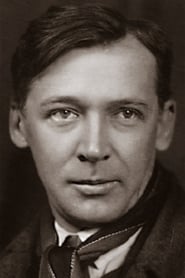
Russian actor who worked during the transitional period of Russian cinema, appearing in films during the last years of the Russian Empire and the early revolutionary period. His career, though brief, coincided with some of the most significant developments in early Russian film artistry. Baksheyev appeared in historical and literary adaptations that characterized the golden age of Russian silent cinema before the Soviet era. His work in 'Father Sergius' (1918) placed him among the actors who participated in prestigious adaptations of Tolstoy's works, which were considered major artistic achievements of the period. Pyotr Baksheyev's career was cut short by the dramatic political and social changes that swept Russia following the 1917 revolution, which transformed the entire film industry. Like many actors of his generation, Baksheyev's contributions to early Russian cinema represent an important chapter in the development of film as an art form in Russia, though detailed records of his life and career remain limited due to the historical upheavals of the period.
The Craft
On Screen
As an actor in the Russian silent film tradition, Baksheyev likely employed the theatrical, expressive style characteristic of the era, using exaggerated gestures and facial expressions to convey emotion without dialogue. Russian silent cinema was known for its psychological depth and artistic sophistication, suggesting Baksheyev's performances would have emphasized character development and emotional authenticity within the technical constraints of the medium.
Milestones
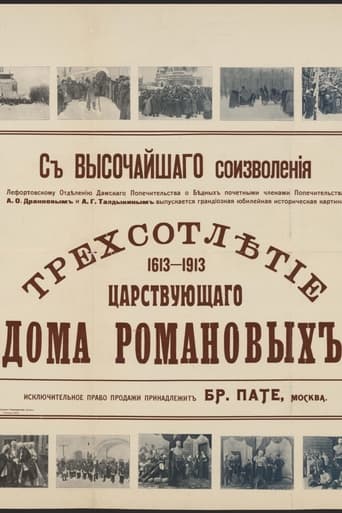
- Appeared in 'Tercentenary of the Romanov Dynasty's Accession' (1913)
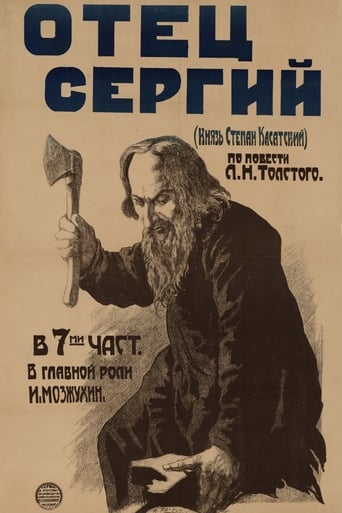
- Starred in 'Father Sergius' (1918) directed by Yakov Protazanov
- Worked during the golden age of Russian silent cinema
- Participated in literary adaptations of major Russian works
Best Known For
Iconic Roles
Must-See Films
Working Relationships
Worked Often With
Studios
Why They Matter
Impact on Culture
Pyotr Baksheyev represents the generation of actors who helped establish Russian cinema as a serious artistic medium during its formative years. His participation in 'Father Sergius,'. The film itself was an adaptation of Tolstoy's work, reflecting the cultural aspiration of Russian filmmakers to elevate cinema to the level of literature and theater. Actors like Baksheyev were instrumental in translating complex literary characters to the new medium of film, helping develop the language of cinematic performance that would influence future generations of Russian and international actors.
Lasting Legacy
While Pyotr Baksheyev may not be widely remembered today, his work survives as part of the precious legacy of early Russian cinema that managed to survive the political upheavals and cultural transformations of the 20th century. His performances in films like 'Father Sergius' contribute to our understanding of how Russian actors approached the craft of film acting during the silent era. The films he appeared in are studied by film historians as examples of the artistic sophistication achieved by Russian cinema before the Soviet system fully took shape. Baksheyev's career, though brief, represents the dedication and artistry of the actors who helped establish cinema as a legitimate art form in Russia.
Who They Inspired
As an actor from the foundational period of Russian cinema, Baksheyev would have been part of the generation that established acting techniques and approaches specifically adapted for the film medium. The psychological depth and emotional authenticity characteristic of Russian silent film acting would influence subsequent generations of actors both within Russia and internationally. His work in literary adaptations helped demonstrate how complex characters from Russian literature could be successfully translated to cinema, setting precedents for future adaptations.
Off Screen
Very little is documented about Pyotr Baksheyev's personal life, which is typical for many actors from the early Russian cinema period whose records were often lost during the political upheavals of the revolutionary era. The lack of surviving documentation about his personal affairs, family relationships, or private life reflects the broader challenge of researching figures from this tumultuous period in Russian history.
Did You Know?
- Pyotr Baksheyev's active years covered only five years, coinciding with dramatic political changes in Russia
- He appeared in 'Father Sergius,' which was one of the last major Russian films before the revolutionary period completely transformed the industry
- The Romanov Tercentenary film he appeared in was commissioned to celebrate 300 years of Romanov rule, just four years before the dynasty was overthrown
- Early Russian cinema actors like Baksheyev often came from theater backgrounds, bringing theatrical techniques to the new medium
- Many records from early Russian cinema were lost during the revolution and subsequent periods, making detailed biographical information scarce
- Russian silent films were known internationally for their artistic quality and psychological depth
- The film industry in Russia before 1917 was surprisingly sophisticated and competitive with European cinema
Frequently Asked Questions
Who was Pyotr Baksheyev?
Russian with credits in this catalog.'
What films is Pyotr Baksheyev best known for?
Titles linked here include Father Sergius (1918), Tercentenary of the Romanov Dynasty's Accession (1913).
When was Pyotr Baksheyev born and when did he die?
Specific birth and death dates for Pyotr Baksheyev are not documented in available historical records, which is common for many actors from early Russian cinema due to the loss of archives during the revolutionary period.
What awards did Pyotr Baksheyev win?
No formal awards or nominations for Pyotr Baksheyev are documented, as the formal award systems for cinema were not yet established in Russia during his brief career in the 1910s.
What was Pyotr Baksheyev's acting style?
Baksheyev likely employed the expressive, theatrical style characteristic of Russian silent cinema, using exaggerated gestures and facial expressions to convey emotion within the artistic tradition that emphasized psychological depth and emotional authenticity.
Why is there limited information about Pyotr Baksheyev?
Limited documentation exists about Baksheyev because many records from early Russian cinema were lost during the political upheavals of the 1917 revolution and subsequent transformations of Russian society and the film industry.