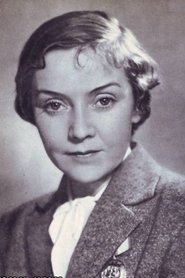
Irina Gosheva
Actor
Born: 1914 in Moscow, Russian Empire Died: null Active: 1935-1954 Birth Name: Irina Pavlovna Gosheva
Films
2 films
About Irina Gosheva
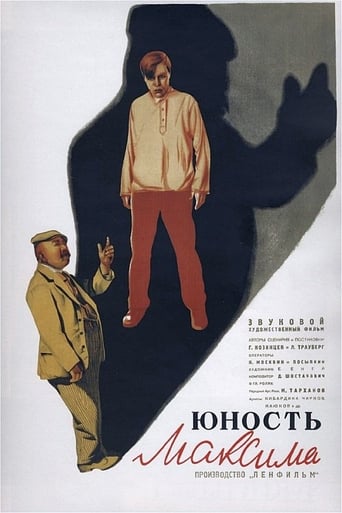
Soviet actress who emerged during the golden age of Soviet cinema in the 1930s. Her career began with a notable role in 'The Youth of Maxim' (1935), which was the first film in Grigori Kozintsev and Leonid Trauberg's acclaimed trilogy about the young Maxim Gorky. This early success established her as a promising talent in the Soviet film industry, though her career remained relatively modest in scale compared to some of her contemporaries. She continued working in Soviet cinema throughout the 1930s and 1940s, appearing in various supporting roles that showcased her versatility as an actress. Her appearance in 'The Orange Neck' (1954) marked one of her later film roles, demonstrating her longevity in an industry that underwent significant changes during the Stalin era and beyond. While she never achieved the stardom of some of her Soviet contemporaries, Gosheva contributed to several important films that helped define Soviet cinema during this crucial period of its development.
The Craft
On Screen
Gosheva's acting style was characteristic of Soviet socialist realism, emphasizing emotional authenticity and ideological commitment. Her performances demonstrated the naturalistic approach favored by Soviet directors of the 1930s, focusing on creating believable characters who embodied socialist values. She worked within the constraints of the Soviet film system while maintaining a personal authenticity in her portrayals.
Milestones
- Debut in 'The Youth of Maxim' (1935)
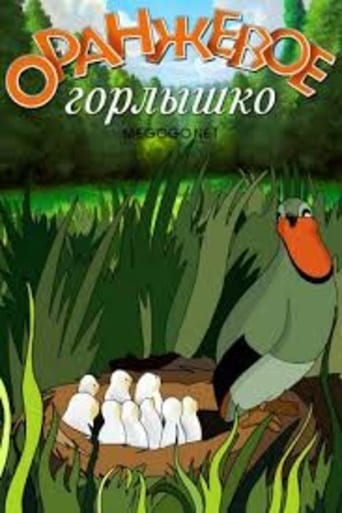
- Role in 'The Orange Neck' (1954)
- Contributions to Soviet cinema during the Stalin era
Best Known For
Iconic Roles
Must-See Films
Working Relationships
Worked Often With
Studios
Why They Matter
Impact on Culture
Irina Gosheva's contributions to Soviet cinema, while not widely celebrated in international film circles, represent the work of countless actors who formed the backbone of the Soviet film industry. Her appearance in 'The Youth of Maxim' placed her within. These films were instrumental in shaping Soviet cultural identity and cinema's role in promoting socialist values during the Stalin era.
Lasting Legacy
Gosheva's legacy is preserved through her contributions to classic Soviet films that continue to be studied by film historians interested in the development of Soviet cinema. While she may not be a household name even among classic cinema enthusiasts, her work represents the dedication and craftsmanship of Soviet actors who helped build their national film industry during challenging political times.
Who They Inspired
As a working actress during the formative years of Soviet cinema, Gosheva contributed to the development of acting styles and techniques that would influence subsequent generations of Soviet performers. Her work in films like 'The Youth of Maxim' helped establish templates for character portrayals in socialist realist cinema.
Off Screen
Limited information is available about Irina Gosheva's personal life, as was common for many Soviet actors who maintained private lives away from public scrutiny. She worked during a period when Soviet actors were often expected to embody socialist ideals both on and off screen.
Education
Likely trained at a Soviet acting school or studio, though specific educational details are not widely documented
Did You Know?
- The Youth of Maxim was the first film in a trilogy about Maxim Gorky's early life, directed by the acclaimed duo Kozintsev and Trauberg
- Gosheva worked during
- Soviet actors of her generation often had to navigate strict censorship and ideological requirements
- The 1930s was considered a golden age for Soviet cinema despite political pressures
- Many Soviet actors from this period maintained relatively low public profiles compared to Hollywood stars
- Gosheva's active years covered nearly two decades, from the pre-WWII era through the early Cold War period
- Soviet film studios like Lenfilm where she likely worked were state-controlled institutions
Frequently Asked Questions
Who was Irina Gosheva?
Soviet actress active from 1935 to 1954, best known for her roles in classic Soviet films including 'The Youth of Maxim' and 'The Orange Neck'. She worked during the golden age of Soviet cinema, contributing to films that helped define the socialist realist style.
What films is Irina Gosheva best known for?
Titles linked here include The Youth of Maxim (1935), The Orange Neck (1954).
When was Irina Gosheva born and when did she die?
Born 1914; died null.
What awards did Irina Gosheva win?
There are no documented awards or major recognitions for Irina Gosheva in available sources. This was common for many Soviet actors who worked steadily but did not achieve the level of stardom that typically came with formal recognition.
What was Irina Gosheva's acting style?
Gosheva's acting style reflected the socialist realist approach dominant in Soviet cinema during her career, emphasizing emotional authenticity and ideological commitment. Her performances were naturalistic and aimed at creating believable characters who embodied socialist values.