Films
1 film
About Mariya Germanova
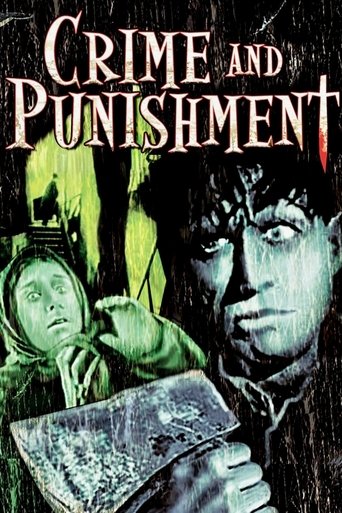
Russian actress from the silent film era, known primarily for her role in the 1923 adaptation of Dostoevsky's 'Crime and Punishment.' Her film career appears to have been brief, with records suggesting she was active only in 1923. Like many actors from early Soviet cinema, detailed documentation of her life and career is scarce due to the historical upheavals of the period and the limited preservation of early Russian film records. Her participation in one of the earliest film adaptations of 'Crime and Punishment' places her within the important transitional period of Russian cinema from the imperial to the Soviet era. The film itself was part of the burgeoning Soviet film industry that would later produce internationally acclaimed directors like Eisenstein and Pudovkin. Unfortunately, comprehensive biographical details about her personal life, training, and career trajectory remain largely undocumented in available historical records.
The Craft
Milestones
- Appeared in 1923 adaptation of Crime and Punishment
Best Known For
Iconic Roles
Must-See Films
Why They Matter
Impact on Culture
While specific details about Mariya Germanova's cultural impact are limited due to scarce historical documentation, her participation in the 1923 adaptation of 'Crime and Punishment' places her within the important early phase of Soviet cinema. This period was crucial for the development of Russian film art, which would later gain international recognition through the works of Eisenstein, Pudovkin, and Vertov. Early adaptations of classic Russian literature, like the one she participated in, helped establish the tradition of literary adaptations that would become a hallmark of Russian and Soviet cinema. The fact that she was involved in bringing Dostoevsky's masterpiece to the screen during the silent era demonstrates her contribution to the cultural project of making Russian literary classics accessible through the new medium of cinema.
Lasting Legacy
Mariya Germanova's legacy is primarily preserved through her participation in the 1923 adaptation of 'Crime and Punishment,' one of the earliest cinematic interpretations of Dostoevsky's seminal work. While her individual contributions may not be extensively documented, she represents the generation of actors who bridged imperial Russian cinema and the emerging Soviet film industry. Her work in adapting one of Russia's most important literary works for the screen places her within the historical continuum of Russian cultural production during a period of tremendous social and political transformation. The preservation of her film, even if incomplete, provides valuable insight into early Russian silent cinema and the approaches to literary adaptation during this formative period.
Who They Inspired
Due to limited documentation of Mariya Germanova's career and the brevity of her known filmography, specific information about her influence on other actors or directors is not available in historical records. However, as an actress working in early Soviet cinema during a crucial transitional period, she would have been part of the artistic environment that shaped the revolutionary approaches to film that would emerge from Russia in the late 1920s. The adaptation of literary classics like 'Crime and Punishment' influenced how subsequent generations of Russian filmmakers approached literary works, establishing conventions and techniques that would evolve throughout Soviet cinema history.
Off Screen
Due to the scarcity of historical documentation for early Russian cinema actors, detailed information about Mariya Germanova's personal life, including her background, family circumstances, and life outside of her brief film career, is not available in existing historical records.
Did You Know?
- Appeared in one of the earliest film adaptations of Dostoevsky's Crime and Punishment
- Her career appears to have been limited to the silent era of Russian cinema
- The 1923 Crime and Punishment was among the first Soviet-era adaptations of classic Russian literature
- Like many early Russian film actors, detailed records of her life and career are scarce
- Her film work coincided with the early years of Soviet cinema's development
- The adaptation she participated in predated more famous international versions of Crime and Punishment
Frequently Asked Questions
Who was Mariya Germanova?
Russian actress from the silent film era, known primarily for her role in the 1923 adaptation of Dostoevsky's 'Crime and Punishment.' Her career appears to have been brief, with records suggesting she was active only in 1923.
What films is Mariya Germanova best known for?
Titles linked here include Crime and Punishment (1923).
When was Mariya Germanova born and when did she die?
Specific birth and death dates for Mariya Germanova are not available in historical records, which is common for many actors from early Russian cinema.
What awards did Mariya Germanova win?
There are no documented awards or nominations for Mariya Germanova in available historical records, which is not unusual for actors from this period of early Soviet cinema.
What was Mariya Germanova's acting style?
Due to limited documentation and the scarcity of surviving materials, specific details about Mariya Germanova's acting style are not available in historical records.
What is Mariya Germanova's significance in film history?
Mariya Germanova's significance lies in her participation in one of the earliest film adaptations of Dostoevsky's 'Crime and Punishment' during the formative years of Soviet cinema, representing the transition from imperial to Soviet film culture.