Bertil Junggren
Actor
- Active
- 1916-1916
Films 1
About Bertil Junggren
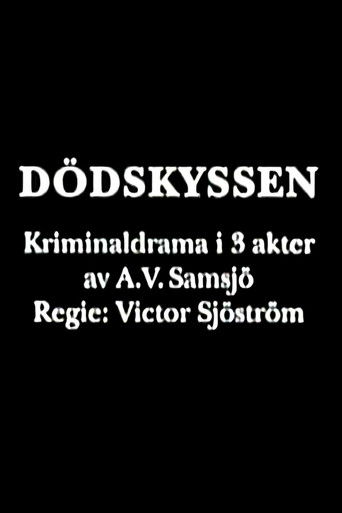
Bertil Junggren is a little-documented silent-era screen actor best remembered today for appearing in the 1916 film Kiss of Death. Available film-reference sources indicate that his known screen activity is confined to that single year, suggesting either a very brief acting career or an incomplete survival of records from the Scandinavian silent-cinema period. Because his filmography is so limited and no authoritative biographical source survives in common reference collections, the broader details of his life, training, and later career remain obscure. His name strongly suggests a Swedish or other Scandinavian background, which fits the international circulation of silent-era performers across Nordic film industries. Like many actors from the 1910s, he appears in the historical record primarily through a credited film appearance rather than through preserved interviews, studio publicity, or later documentation. As a result, Bertil Junggren is best understood as one of the many early cinema artists whose work contributed to the silent era but whose personal history has largely been lost to time.
More about Bertil Junggren
In film history
Bertil Junggren’s cultural significance lies less in a documented star persona than in what his surviving credit reveals about the silent era’s fragile historical record. Many performers from early cinema worked in regional industries where publicity materials, cast lists, and personal archives were never comprehensively preserved, and Junggren is an example of that lost generation of screen artists. His appearance in Kiss of Death places him within the formative years of film storytelling, when actors had to communicate emotion and narrative through gesture, expression, and visual presence rather than dialogue. Even though his individual impact cannot be measured through surviving interviews or later fame, his credit contributes to the broader understanding of Scandinavian and European film culture in the 1910s. For film historians, figures like Junggren are important because they help map the ecosystem of silent cinema beyond the handful of internationally famous names.
Later reputation
Junggren’s legacy is primarily archival and historical: he survives in film history as a documented participant in one of the medium’s earliest decades. Because so little biographical information remains, his name has become representative of many silent-era performers whose careers are only partially recoverable through surviving film records and reference indexes. His inclusion in film databases keeps his work visible and ensures that the cast histories of early films remain as complete as possible. In this sense, his legacy is tied to preservation efforts and the continuing scholarly reconstruction of early cinema personnel. He remains a reminder that the silent era was built not only by major stars and directors, but also by numerous lesser-known actors whose contributions were essential to the development of screen acting.
Influence
There is no surviving evidence that Bertil Junggren directly influenced later actors or directors in a documented way. His influence is best understood indirectly, through his participation in the early silent-film environment that shaped performance standards for later Scandinavian cinema. Actors working in this period helped define the restrained, visually expressive style required by silent film, and even obscure performers contributed to that evolving language. For historians, his preserved credit helps illustrate the breadth of early film labor and the many careers that fed into the medium’s development, even when individual reputations did not survive.
Credits
- Credited screen appearance in the silent film Kiss of Death (1916)
- Documented participation in early Scandinavian or European silent-era cinema
- Representation of the many short-career performers whose work survives only in sparse filmography records
Roles
- Role in Kiss of Death (1916)
Films
- Kiss of Death (1916)
Notes
- Bertil Junggren is known in surviving reference material primarily for a single credited screen appearance.
- His active period, as reflected in filmography records, is limited to 1916.
- He is associated with the silent film Kiss of Death (1916).
- No widely verified birth or death information is readily available in standard reference sources.
- His name suggests a Scandinavian background, but his exact nationality is not firmly documented in commonly available materials.
- He is an example of an early cinema performer whose career is preserved more in film credits than in biography.
- Because of the era in which he worked, his acting style can only be inferred from silent-film conventions rather than documented performance analysis.
Questions
Who was Bertil Junggren?
Bertil Junggren was a silent-era actor known primarily for his credited appearance in Kiss of Death (1916). Very little biographical information about him survives in standard reference sources, so he is best understood as an early screen performer whose work is documented mainly through film records.
What films is Bertil Junggren best known for?
He is best known for Kiss of Death (1916), which appears to be his principal and possibly only documented screen credit. No additional confirmed film titles are readily available from commonly accessible sources.
When was Bertil Junggren born and when did he die?
His birth and death dates are not currently verified in the available reference record. The surviving filmography information identifies him only through his 1916 screen activity, without confirmed biographical dates or places.
What awards did Bertil Junggren win?
No awards or nominations are currently documented for Bertil Junggren in the surviving reference material. This is not unusual for lesser-documented silent-era performers whose careers were brief or whose records were not preserved.
What was Bertil Junggren's acting style?
His acting style is not specifically described in surviving sources. As a silent-era actor, he would have worked within the expressive, visually oriented performance conventions of early cinema, relying on gesture, facial expression, and body language.
What is Bertil Junggren's legacy in film history?
His legacy lies in the historical record of early cinema and the preservation of silent-era cast credits. Even though his personal life and wider career are obscure, his documented presence helps film historians reconstruct the personnel of early film production.