Jane Fearnley
Actor
Born: c. 1885 in Fall River, Massachusetts, USA Died: 1952 Active: 1907-1922 Birth Name: Sadie J. Fearnley
Films
1 film
About Jane Fearnley
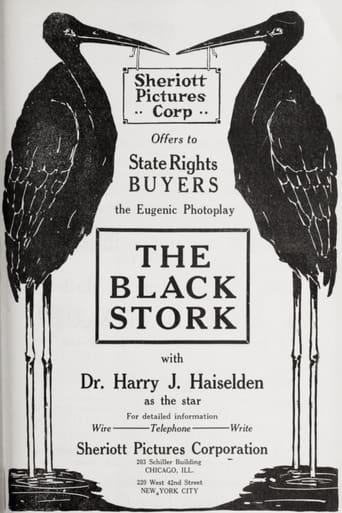
Jane Fearnley, born Sadie J. Fearnley around 1885 in Fall River, Massachusetts, was a prominent stage and silent film actress during the early 20th century. After graduating from Dean Academy in 1904, she moved to New York City to pursue a career in the performing arts, making her national stage debut in 1907 in the play 'Raffles'. By 1912, she had transitioned into the burgeoning film industry, joining the Reliance Film Company and later working with Independent Moving Pictures (IMP) and the Famous Players Film Company. She became a recognized leading lady, frequently starring opposite silent film icon King Baggot in numerous shorts and features. Fearnley is perhaps most noted for her role in the controversial 1917 eugenics propaganda film 'The Black Stork', where she played the mother facing a moral crisis. Despite a prolific period in the 1910s, she returned to the stage in the early 1920s before eventually retiring from the public eye.
The Craft
On Screen
Fearnley was known for her versatility in the early silent era, transitioning seamlessly between theatrical stage performances and the more restrained requirements of the camera. Her roles often required high emotional stakes, particularly in dramas like 'The Black Stork', where she utilized expressive facial acting to convey maternal anguish and moral conflict.
Milestones
- National stage debut in 'Raffles' (1907)
- Leading lady for Independent Moving Pictures (IMP) starting around 1912
- Frequent co-star of silent film legend King Baggot
- Starring role in the highly controversial film 'The Black Stork' (1917)
- Featured in the early screen adaptation of 'The Christian' (1914)
Best Known For
Iconic Roles
Must-See Films
Accolades
Special Recognition
- Recognized as a leading actress of the Independent Moving Pictures (IMP) company
Working Relationships
Worked Often With
Studios
Why They Matter
Impact on Culture
Jane Fearnley's participation in 'The Black Stork' (later retitled 'Are You Fit to Marry?') places her at the center of. The film was a piece of eugenic propaganda that sparked nationwide debate over medical ethics and social engineering. Her performance as the mother provided a human face to the cold, clinical arguments presented by Dr. Harry J. Haiselden, making the film's message more palatable to contemporary audiences while simultaneously drawing the ire of critics and religious groups.
Lasting Legacy
While many of her early films are lost or obscured by time, Fearnley remains a significant figure for her associations with the pioneers of the silent era, such as King Baggot and Pearl White. She represents the first generation of stage actors who helped legitimize the 'flickers' as a serious art form. Her work in 'The Black Stork' is still studied today by film historians and ethicists as a primary example of how cinema was used for social and political indoctrination in the early 20th century.
Who They Inspired
As an early leading lady at IMP, she helped set the standard for the 'star system' that would eventually dominate Hollywood, proving that audiences would return to see familiar faces in different roles.
Off Screen
Jane Fearnley was the daughter of Joseph and Sarah Fearnley, who were English immigrants. She was a close friend and roommate of the legendary 'Queen of the Serials' Pearl White around 1913; the two even traveled to Bermuda together during their early careers. She was married twice: first to Richard Clark in 1907 and later to Charles Carey in 1923.
Education
Graduated from Dean Academy in Franklin, Massachusetts (Class of 1904)
Family
- Richard Clark (m. 1907)
- Charles Carey (m. 1923)
Did You Know?
- Her name was occasionally spelled 'Jane Fernley' in film credits.
- She lived with Pearl White in 1913, just before White became a global superstar.
- She made her national stage debut as Gwendolin Conron in 'Raffles' (1907).
- The film 'The Black Stork' was so controversial it was still being shown in traveling roadshows as late as 1928.
- She appeared in 'Jealousy' (1912), a film that is part of the prestigious Library of Congress collection.
In Their Own Words
God does not want this child to live. (Context: A line delivered by the doctor to her character in 'The Black Stork', which her character ultimately accepts in the film's narrative.)
Frequently Asked Questions
Who was Jane Fearnley?
American stage and silent film actress active during the 1910s and early 1920s. She was a leading lady for major early studios like IMP and Famous Players, often starring alongside King Baggot.
What is Jane Fearnley's most famous film?
She is most remembered for 'The Black Stork' (1917), a controversial eugenics propaganda film. She also starred in 'The Christian' (1914) and 'The Little Gray Lady' (1914).
When was Jane Fearnley born and when did she die?
Born c. 1885; died 1952.
Did Jane Fearnley win any awards?
There are no records of formal film awards for Fearnley, as her career predated the establishment of the Academy Awards and most major critics' prizes.
What was Jane Fearnley's acting style?
She — classically trained stage actress who adapted her style for the silent screen, known for her ability to handle intense dramatic and maternal roles with emotional depth.
Was Jane Fearnley related to any other famous people?
While not related, she was a close friend and roommate of the famous silent film star Pearl White during the early 1910s.