Films
2 films
About Edna May Weick
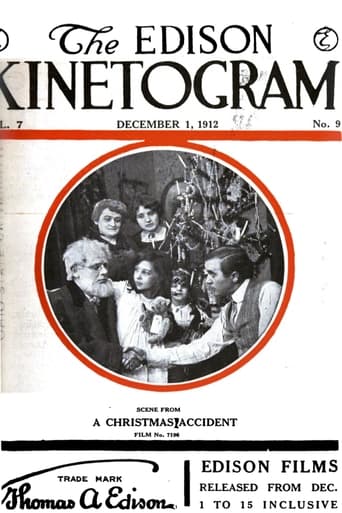
The 1912 film A Christmas Accident is the only title linked here for Edna May Weick. Specifically in the early 1910s. Her career was notably brief, spanning only the year 1912, during which she appeared in the short film 'A Christmas Accident.' As with many child actors of this early period, she was likely discovered by filmmakers who needed young talent for their productions. The film industry was still in its infancy during her active years, with many performers having short careers before transitioning to other pursuits. 'A Christmas Accident' was produced by the Thanhouser Company, one of the American film studios of the silent era. Unfortunately, like many performers from this period, detailed records of her life and career are scarce, and she appears to have left the film industry after her single known appearance. Her brief career represents the transient nature of early cinema, where many performers appeared in only one or two films before disappearing from historical records.
The Craft
On Screen
Naturalistic child performance typical of Thanhouser Company productions
Milestones
- Appeared in Thanhouser Company's 'A Christmas Accident' (1912)
- Part of early American cinema's era
Best Known For
Iconic Roles
Must-See Films
Working Relationships
Studios
Why They Matter
Impact on Culture
Edna May Weick's contribution to cinema, while minimal in scope, represents the important role that child actors played in the development of early American film. Her appearance in 'A Christmas Accident' is part of the Thanhouser Company's legacy as. Child performers like Weick were essential to the storytelling techniques of the era, often providing emotional depth and relatability to family-oriented productions. Her brief career exemplifies how many early film performers contributed to the art form's development without achieving lasting fame, yet collectively helped establish the foundations of cinematic storytelling.
Lasting Legacy
Edna May Weick's legacy exists primarily through her participation in the preservation of early American cinema. 'A Christmas Accident' survives as an example of early holiday-themed films and showcases the acting styles of the period. While she did not achieve lasting fame, her contribution is part of the broader historical record of silent era filmmaking. Her story represents the thousands of anonymous performers who helped build the film industry but whose names have largely been lost to history.
Who They Inspired
As a brief performer in early cinema, Edna May Weick did not have a documented influence on other actors or filmmakers. However, like all performers from this era, she contributed to the development of acting techniques that would evolve and influence future generations of film performers, particularly in the realm of child acting in cinema.
Off Screen
Very little is documented about Edna May Weick's personal life, which was common for child actors of the silent era who had brief careers. As she was likely around 10 years old when she appeared in her film, she probably returned to a normal childhood and education after her brief film experience. Like many child actors from this period, she may have grown up without pursuing further entertainment careers.
Education
No specific educational records are available, though she likely attended public school in New York during her childhood.
Did You Know?
- Her entire known film career consisted of a single film in 1912
- She worked with the Thanhouser Company, which was one of America's most important early film studios
- 'A Christmas Accident' was a holiday-themed short film typical of the seasonal content popular in early cinema
- She was approximately 10 years old when she appeared in her film
- The Thanhouser Company was known for its high-quality productions and often used child actors
- Very little documentation exists about many child actors from this period, making her a representative example of early film ephemera
- Her active years covered the entire year of 1912 but consisted of only one known appearance
- Early cinema often used local children as actors, suggesting she may have been from the New Rochelle, New York area where Thanhouser was based
Frequently Asked Questions
Who was Edna May Weick?
Screen credits include silent films during the early 1910s. She is known for appearing in the Thanhouser Company's production 'A Christmas Accident' in 1912, which appears to be her only film credit.
What films is Edna May Weick best known for?
Titles linked here include A Christmas Accident (1912).
When was Edna May Weick born and when did she die?
Born 1902; died death date not listed.
What awards did Edna May Weick win?
Edna May Weick did not receive any documented awards or nominations for her film work. This was typical for actors in the early silent film period, as formal award systems in cinema had not yet been established.
What was Edna May Weick's acting style?
Based on the period and studio she worked with, her acting style was likely naturalistic and understated, typical of Thanhouser Company productions which favored realistic performances over the exaggerated acting common in other studios of the era.