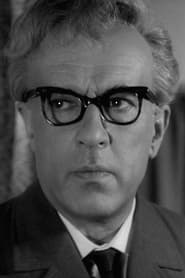
Vladimir Chestnokov
Actor
Born: April 23, 1904 in Saint Petersburg, Russian Empire Died: March 16, 1948 Active: 1938-1947 Birth Name: Vladimir Ivanovich Chestnokov
Films
3 films
About Vladimir Chestnokov
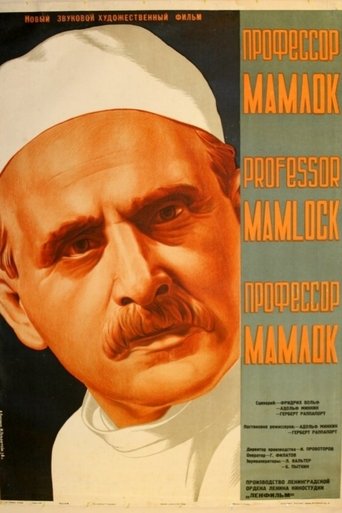
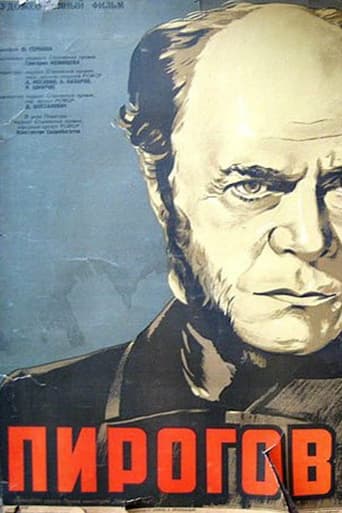
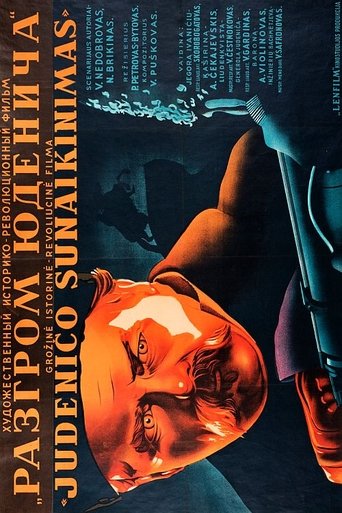
Vladimir Ivanovich Chestnokov — Soviet actor whose the crucial decades of early Soviet cinema. Born in 1904, he emerged as a prominent theatrical performer before transitioning to film during the height of Stalinist cultural production. Chestnokov was particularly renowned for his powerful dramatic performances in historical and revolutionary films, embodying the ideal Soviet hero archetype. His most celebrated role came in 1947's 'Pirogov,' where he portrayed the 19th-century Russian surgeon Nikolai Pirogov, earning widespread critical acclaim for his nuanced characterization. Throughout his film career, which was primarily concentrated between 1938 and 1947, Chestnokov worked with some of the Soviet Union's most respected directors, including Vsevolod Pudovkin and Grigori Roshal. His performances in 'Professor Mamlock' (1938) and 'Defeat of Yudenich' (1940) demonstrated his remarkable range, from playing intellectual protagonists to revolutionary heroes. Chestnokov's career was tragically cut short when he died at the young age of 44 in 1948, leaving behind a legacy as one of Soviet cinema's most compelling dramatic actors of the 1940s.
The Craft
On Screen
Chestnokov was known for his intense, methodical approach to character development, embodying the socialist realist aesthetic while bringing psychological depth to his roles. His performances combined powerful emotional expression with intellectual precision, particularly excelling in portraying historical figures and revolutionary heroes. He employed a classical theatrical technique adapted for the camera, using his commanding presence and resonant voice to create memorable characterizations that aligned with Soviet ideological requirements while maintaining artistic integrity.
Milestones
- Breakthrough role in Professor Mamlock (1938)
- Starring role in Defeat of Yudenich (1940)
- Acclaimed performance as Pirogov in Pirogov (1947)
- Recognition as a leading dramatic actor in Soviet cinema
- Posthumous recognition for contributions to Soviet film art
Best Known For
Iconic Roles
Must-See Films
Accolades
Won
- Stalin Prize, Second Class (1947) - for his role in Pirogov
- Honored Artist of the RSFSR (1947)
Special Recognition
- Honored Artist of the RSFSR (1947)
- Stalin Prize recipient (1947)
Working Relationships
Worked Often With
Studios
Why They Matter
Impact on Culture
Vladimir Chestnokov played a significant role in shaping Soviet cinema's approach to historical biopics and revolutionary narratives during the 1940s. His portrayal of Professor Mamlock was particularly impactful, as it was one of the first Soviet films to directly address antisemitism and persecution of intellectuals under fascist regimes. His performance in 'Pirogov' helped establish the template for Soviet biographical films, balancing historical accuracy with ideological messaging. Chestnokov's work contributed to the development of socialist realist aesthetics in cinema, demonstrating how complex historical figures could be portrayed within the framework of Soviet cultural policy. His films were widely distributed throughout the Soviet Union and Eastern Bloc countries, influencing how historical narratives were presented to mass audiences.
Lasting Legacy
Despite his relatively brief film career, Vladimir Chestnokov left an indelible mark on Soviet cinema as. His posthumous receipt of the Stalin Prize and the title of Honored Artist of the RSFSR cemented his status as an important figure in Soviet cultural history. The films he starred in, particularly 'Pirogov,' continue to be studied as examples of Soviet cinematic art at its peak. Chestnokov's approach to character acting influenced subsequent generations of Soviet actors, especially in the genre of historical biopics. His premature death at the height of his creative powers has led to speculation about what additional contributions he might have made to Soviet and world cinema had he lived longer.
Who They Inspired
Chestnokov's methodical approach to historical characterization influenced the way Soviet actors approached biographical roles for decades. His ability to balance the demands of socialist realism with nuanced psychological depth provided a model for actors working within ideological constraints. Younger Soviet actors, particularly those at the Leningrad film studios, studied his performances as examples of how to create compelling characters while adhering to cultural policies. His work in films addressing complex social themes, like antisemitism in 'Professor Mamlock,' demonstrated how cinema could tackle sensitive subjects within approved frameworks, influencing subsequent Soviet filmmakers.
Off Screen
Vladimir Chestnokov was deeply committed to his craft and the Soviet artistic community. He married fellow actress and theatrical performer, though details about his family life remain limited in historical records. Chestnokov was known among his colleagues for his dedication to theatrical discipline and his willingness to mentor younger actors. His life reflected the challenges and pressures faced by artists during the Stalin era, balancing artistic expression with ideological requirements. His premature death at age 44 cut short a promising career that had already achieved significant recognition.
Education
Graduated from the Leningrad Institute of Performing Arts (formerly Imperial Theatrical School)
Family
- Information not available in historical records
Did You Know?
- His role as Professor Mamlock was one of the first Soviet films to directly confront antisemitism
- Chestnokov received the prestigious Stalin Prize just one year before his death
- His film 'Pirogov' was
- He began his career in theater before transitioning to film in his mid-30s
- His death at age 44 occurred during the peak of his cinematic success
- Chestnokov was particularly known for his ability to portray historical figures with psychological depth
- His films were regularly shown in Soviet schools as educational tools
- He worked with some of the most prominent directors of the Stalin era
- His acting style combined classical Russian theatrical tradition with cinematic naturalism
- The film 'Professor Mamlock' was based on a play by Friedrich Wolf and was controversial for its time
In Their Own Words
The actor must not merely play a role, he must become the soul of the character he portrays.
In portraying historical figures, we must find the human truth behind the monument.
Art in our time must serve the people, but it must never lose its artistic integrity.
Frequently Asked Questions
Who was Vladimir Chestnokov?
Prominent Soviet with credits in this catalog. He starred in acclaimed movies like 'Professor Mamlock' (1938), 'Defeat of Yudenich' (1940), and 'Pirogov' (1947), establishing himself as one of Soviet cinema's most compelling character actors before his untimely death at age 44.
What films is Vladimir Chestnokov best known for?
Titles linked here include Professor Mamlock (1938), Defeat of Yudenich (1940).
When was Vladimir Chestnokov born and when did he die?
Born April 23, 1904; died March 16, 1948.
What awards did Vladimir Chestnokov win?
Chestnokov received the prestigious Stalin Prize, Second Class in 1947 for his role in 'Pirogov,' and was named an Honored Artist of the RSFSR the same year. These were among the highest cultural honors available in the Soviet Union, recognizing his significant contributions to Soviet cinema.
What was Vladimir Chestnokov's acting style?
Chestnokov's acting style combined classical Russian theatrical techniques with cinematic naturalism, embodying the socialist realist aesthetic while bringing psychological depth to his roles. He was particularly known for his intense, methodical approach to character development, excelling in portraying historical figures and revolutionary heroes with both emotional power and intellectual precision.
How did Vladimir Chestnokov impact Soviet cinema?
Chestnokov significantly influenced Soviet cinema's approach to historical biopics and revolutionary narratives during the 1940s. His work demonstrated how complex historical figures could be portrayed within socialist realist frameworks, influencing subsequent generations of Soviet actors and establishing templates for biographical films that balanced historical accuracy with ideological messaging.