Films
1 film
About Shaheed Latif
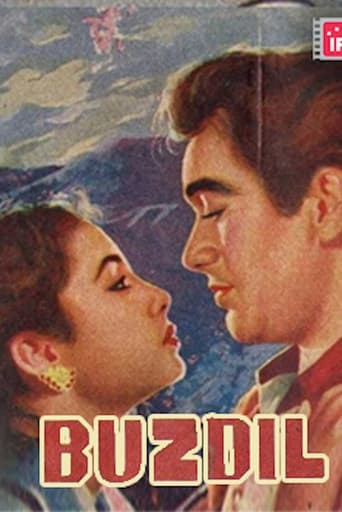
Indian film director who worked primarily in Hindi cinema during the mid-20th century. He is best known for directing the 1951 film 'Buzdil,' which was one of his early directorial ventures in the Indian film industry. Latif was part of the progressive movement in Indian cinema, often collaborating with writers and artists who shared socially conscious themes. His directorial work reflected the changing landscape of post-independence Indian cinema, which was moving towards more realistic and socially relevant storytelling. While his filmography was not extensive, his contributions came during a transformative period in Indian cinema when the industry was establishing its identity separate from colonial influences. Latif was married to the renowned Urdu writer and progressive intellectual Ismat Chughtai, which placed him at the center of India's literary and artistic circles. His the crucial decade of the 1950s when Indian cinema was developing its distinctive golden age characteristics.
The Craft
Behind the Camera
Progressive cinema approach focusing on socially relevant themes
Milestones
- Directed 'Buzdil' in 1951
- Married to renowned writer Ismat Chughtai
- Part of progressive cinema movement
Best Known For
Must-See Films
Working Relationships
Worked Often With
Why They Matter
Impact on Culture
Shaheed Latif's contribution to Indian cinema, though limited in scope, came during a pivotal period when Hindi cinema was developing its artistic identity. His work represented the progressive cinema movement that sought to address social issues and move away from purely commercial entertainment. As part of this movement, Latif helped pave the way for more socially conscious filmmaking in India. His marriage to Ismat Chughtai connected the worlds of progressive literature and cinema, creating important cross-pollination between these artistic forms during India's nation-building period.
Lasting Legacy
While Shaheed Latif's directorial output was not extensive, his work represents an important chapter in the history of Indian cinema's development during the 1950s. His association with the progressive movement and marriage to Ismat Chughtai places him within the broader context of India's cultural renaissance following independence. His film 'Buzdil' stands as an example of the socially relevant cinema being produced during this era, reflecting the aspirations and concerns of a newly independent nation.
Who They Inspired
Through his involvement in progressive cinema and his personal connections with literary figures like Ismat Chughtai, Shaheed Latif contributed to the intellectualization of Indian cinema. His work helped bridge the gap between literary art and popular filmmaking, influencing subsequent generations of filmmakers who sought to create cinema with social consciousness and artistic merit.
Off Screen
Shaheed Latif was married to Ismat Chughtai,. Their marriage brought together two important creative minds of post-independence India, with Chughtai's literary influence likely shaping Latif's cinematic approach. The couple was part of India's intellectual elite during the 1950s, engaging with contemporary social and political issues through their respective mediums.
Family
- Ismat Chughtai
Did You Know?
- Directed the film 'Buzdil' in 1951
- Was married to renowned Urdu writer Ismat Chughtai
- Part of India's progressive cinema movement
- Worked during the golden age of Hindi cinema
- His active years covered the crucial decade of the 1950s
- Connected literary and cinematic worlds through his marriage
Frequently Asked Questions
Who was Shaheed Latif?
Indian on YTB.my.' He was part of India's progressive cinema movement and was married to the renowned Urdu writer Ismat Chughtai.
What films is Shaheed Latif best known for?
Titles linked here include Buzdil (1951).
When was Shaheed Latif born and when did he die?
Specific birth and death dates for Shaheed Latif are not readily available in historical records. He was active as a director during the 1950s, particularly known for his work in 1951.
What awards did Shaheed Latif win?
There are no documented major awards or nominations for Shaheed Latif in available historical records, though his work contributed to the progressive cinema movement in India during the 1950s.
What was Shaheed Latif's directing style?
Shaheed Latif's directing style was aligned with the progressive cinema movement in India, focusing on socially relevant themes and realistic storytelling. His approach reflected the intellectual and artistic consciousness of post-independence Indian cinema.
How was Shaheed Latif connected to literature?
Shaheed Latif was married to Ismat Chughtai,. This marriage connected the worlds of literature and cinema during a crucial period in Indian cultural history.