József Kürthy
Actor
Born: 1881 in Budapest, Austria-Hungary Died: 1939 Active: 1919-1919
Films
1 film
About József Kürthy
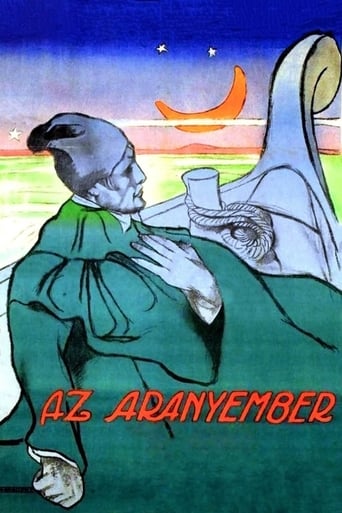
Hungarian stage and film actor who emerged during the golden age of Hungarian silent cinema in the early 20th century. His career, though primarily focused on theatrical performances, included a notable appearance in the 1919 silent film 'The Man of Gold' (Az aranyember), Hungarian films of the silent era. Kürthy was part of the vibrant Budapest theater scene that served as the training ground for many Hungarian actors who would later gain international recognition. His work in 'The Man of Gold' showcased the dramatic intensity typical of Hungarian theatrical tradition adapted to the cinematic medium. The film itself was based on Mór Jókai's classic novel and represented the pinnacle of Hungarian silent filmmaking before the industry faced political and economic upheavals. Kürthy's brief film career was characteristic of many stage actors of his era who made occasional forays into cinema while maintaining their primary commitment to theater. His contributions, though limited in number, were part of Hungary's significant cultural output during this period of artistic flourishing.
The Craft
On Screen
Kürthy's acting style reflected the theatrical traditions of early 20th century Hungarian stage performance, characterized by dramatic intensity and expressive gestures that translated well to the silent film medium. His performances embodied the emotional depth and dramatic flair typical of Hungarian actors of this period, who were trained in the rich theatrical heritage of Budapest.
Milestones
- Appeared in the landmark Hungarian silent film 'The Man of Gold' (1919)
- Part of Budapest's thriving theatrical community during the early 20th century
- Contributed to Hungary's golden age of silent cinema
Best Known For
Iconic Roles
Must-See Films
Working Relationships
Worked Often With
Studios
Why They Matter
Impact on Culture
József Kürthy contributed to Hungary's remarkable silent film legacy during a period when the country was producing some of Europe's most innovative cinema. His participation in 'The Man of Gold' placed him within a movement that helped establish Hungarian cinema's international reputation. The film itself was a significant cultural achievement, adapting one of Hungary's most beloved literary works and showcasing the country's artistic capabilities to international audiences.
Lasting Legacy
While Kürthy himself did not achieve lasting fame, his work in 'The Man of Gold' ensures his place in the history of Hungarian cinema. The film remains an important artifact of silent era filmmaking and is studied by film historians interested in European cinema's development. His contribution, though small in scope, represents the collective effort of Hungarian artists who created a significant body of work during this formative period of cinema.
Who They Inspired
As a supporting actor in a landmark film, Kürthy's influence was likely limited to his immediate theatrical and film community in Budapest. However, his participation in 'The Man of Gold' contributed to the film's lasting impact on Hungarian cinema and its role in inspiring subsequent generations of Hungarian filmmakers.
Off Screen
Limited information is available about Kürthy's personal life, as was common for many supporting actors of the silent era who were overshadowed by leading stars in historical documentation. His active years covered a period of tremendous political and social change in Hungary, from the Austro-Hungarian Empire through the tumultuous years following World War I.
Education
Likely received theatrical training in Budapest's vibrant theater scene, though specific educational details are not documented in available sources.
Did You Know?
- 'The Man of Gold' was directed by Michael Curtiz, who would later become a legendary Hollywood director
- The film was based on Mór Jókai's 1872 novel, one of Hungary's most celebrated literary works
- 1919 was a tumultuous year in Hungarian history, with the fall of the Austro-Hungarian Empire and political upheavals
- Hungarian silent cinema of this period was among the most advanced in Europe
- The film was considered lost for many years before being rediscovered and restored
- Kürthy's film career appears to have been limited to this single known appearance
- Many Hungarian actors of this era later emigrated to Hollywood when the Hungarian film industry declined
- The film showcased Hungarian locations and scenery, emphasizing national identity
- Silent films from Hungary were distributed internationally, helping establish the country's cinematic reputation
Frequently Asked Questions
Who was József Kürthy?
Hungarian with credits in this catalog.' He was part of Budapest's theatrical community during Hungary's golden age of silent cinema.
What films is József Kürthy best known for?
Titles linked here include The Man of Gold (1919).
When was József Kürthy born and when did he die?
Born 1881; died 1939.
What awards did József Kürthy win?
There are no documented awards or nominations for József Kürthy, which was common for supporting actors of the silent era, especially in European cinema where formal award systems were not yet established.
What was József Kürthy's acting style?
Kürthy's acting style reflected the theatrical traditions of early 20th century Hungarian performance, characterized by dramatic intensity and expressive gestures suited to silent film. His approach embodied the emotional depth typical of Hungarian actors trained in Budapest's rich theatrical heritage.