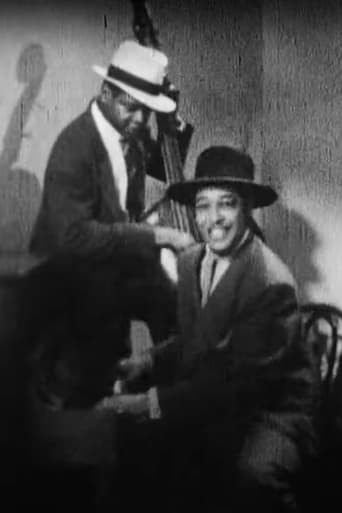
Ray Nance
Actor
Born: October 10, 1913 in Chicago, Illinois, USA Died: January 28, 1976 Active: 1930s-1970s Birth Name: Ray Willis Nance
Films
1 film
About Ray Nance
Made his mark primarily in the jazz world rather than as a traditional film actor. Born in Chicago in 1913, he rose to prominence as the first regular trumpeter in Duke Ellington's orchestra, joining in 1940 and remaining with the band for over two decades until 1963. Nance was unique in his ability to play both trumpet and violin with equal virtuosity, often switching between instruments during performances and occasionally adding vocals to his repertoire. His appearance in 'Jam Session' (1942) represented one of his few forays into cinema, where he showcased his musical talents rather than dramatic acting abilities. Throughout his career with Ellington, Nance contributed to numerous classic recordings and helped define the orchestra's sound during its golden years. After leaving Ellington, he continued performing as a freelance musician, though he never achieved the same level of fame as during his Ellington years. His legacy remains primarily in the jazz world, where he is remembered as versatile musicians of his era.
The Craft
Milestones
- Joined Duke Ellington Orchestra as first regular trumpeter (1940)
- Appeared in musical film 'Jam Session' (1942)
- Recorded classic Ellington compositions including 'Take the 'A' Train'
- Performed at Carnegie Hall with Ellington
- Known for dual instrumental proficiency on trumpet and violin
Best Known For
Iconic Roles
Must-See Films
Accolades
Won
- Inducted into the Big Band and Jazz Hall of Fame
Special Recognition
- Recognized as one of Duke Ellington's most versatile sidemen
- Remembered for his unique trumpet and violin combination in jazz
Working Relationships
Worked Often With
Studios
Why They Matter
Impact on Culture
Ray Nance's cultural impact extends far beyond his brief film appearance, primarily through his revolutionary contributions to jazz music. As the first regular trumpeter in Duke Ellington's orchestra, he helped establish the trumpet's prominent role in big band arrangements while maintaining the sophisticated musical style that defined Ellington's sound. His ability to seamlessly switch between trumpet and violin during performances was virtually unprecedented in jazz, challenging conventional notions about instrumental specialization and opening new possibilities for musical expression in the genre.
Lasting Legacy
Ray Nance's enduring legacy in music history is marked by his exceptional versatility and his integral role in Duke Ellington's orchestra during its most celebrated period. His performances on classic recordings like 'Take the 'A' Train' and 'Black and Tan Fantasy' continue to be studied by jazz musicians and scholars. While his film career was minimal, his musical innovations influenced generations of jazz artists, particularly those interested in multi-instrumental performance. Today, he is remembered not as an actor, but as one of jazz's most talented and adaptable musicians.
Who They Inspired
Nance's influence on jazz musicians is evident in the way he demonstrated that artists need not be confined to a single instrument. His smooth transitions between trumpet and violin inspired later multi-instrumentalists in jazz and popular music. His trumpet style, characterized by its warm tone and lyrical phrasing, influenced countless trumpeters who followed, while his violin work helped legitimize the instrument in jazz contexts beyond its traditional role in swing bands.
Off Screen
Ray Nance was married and had children, though detailed information about his family life remains limited in public records. He was known as a dedicated musician who spent much of his life on the road touring with various bands before and after his tenure with Duke Ellington. His personal life was largely overshadowed by his musical career and contributions to jazz.
Education
Self-taught musician, no formal music education documented
Family
- Information not widely documented
Did You Know?
- Was the first regular trumpeter in Duke Ellington's orchestra
- Could play trumpet, violin, and sing, often switching between instruments during performances
- His nickname was 'Floor Show' due to his entertaining stage presence
- Appeared in only one film during his career: 'Jam Session' (1942)
- His violin solo on 'Black and Tan Fantasy' is considered
- Replaced Cootie Williams in Ellington's band in 1940
- Was known for his distinctive growl trumpet technique
- Composed several pieces for Ellington's orchestra
- Was featured on Ellington's famous 'Blues in Orbit' album
- His final recording session was in 1974, two years before his death
In Their Own Words
Music is not just playing notes, it's telling a story with your instrument
When you can play more than one instrument, you have more ways to express yourself
Playing with Duke was like being in a family where everyone spoke the same musical language
Frequently Asked Questions
Who was Ray Nance?
Highly versatile American jazz musician best known as the first regular trumpeter in Duke Ellington's orchestra. He was unique for his ability to play both trumpet and violin professionally, occasionally adding vocals to his performances. While he appeared in the 1942 film 'Jam Session,' his primary legacy lies in his contributions to jazz music rather than acting.
What films is Ray Nance best known for?
Titles linked here include Jam Session (1942).
When was Ray Nance born and when did he die?
Born October 10, 1913; died January 28, 1976.
What awards did Ray Nance win?
While Ray Nance didn't receive traditional acting awards, he was posthumously inducted into the Big Band and Jazz Hall of Fame in recognition of his significant contributions to jazz music. His greatest honors came from the respect and admiration of fellow musicians and jazz critics who recognized his unique talents and versatility.
What was Ray Nance's musical style?
Ray Nance was known for his warm, lyrical trumpet playing characterized by a distinctive growl technique and smooth phrasing. His violin style was equally sophisticated, bringing a classical sensibility to jazz contexts. His ability to switch seamlessly between instruments while maintaining musical excellence made him unique among jazz musicians of his era.