
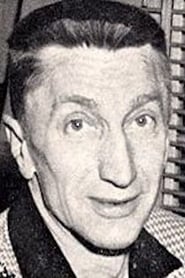
Norm McCabe
Director
Born: January 13, 1913 in Canada Died: May 18, 2001 Active: 1936-1960s (Director: 1942-1943) Birth Name: Norman McCabe
Films
3 films
About Norm McCabe
Canadian-born American animator and director who in Warner Bros. Cartoons during the golden age of animation, particularly during World War II. He began his career as an animator in the 1930s, working his way up through the ranks at Warner Bros. Under the guidance of animation pioneers. McCabe's directorial career was brief but concentrated during the wartime period of 1942-1943, where he specialized in creating propaganda cartoons that supported the Allied war effort. His most notable works included satirical portrayals of Axis leaders and patriotic themes that reflected the political climate of the era. After his directorial tenure at Warner Bros., he continued working in animation at various studios, though he never achieved the same level of prominence as contemporaries like Chuck Jones or Friz Freleng. His work represents an important chapter in animation history, showcasing how cartoons were utilized as tools for propaganda and morale-building during one of America's most challenging periods.
The Craft
Behind the Camera
McCabe's directing style was characterized by bold, exaggerated animation and unapologetic propaganda messaging typical of wartime cartoons. He utilized caricature and satire to portray Axis leaders in a comical yet demeaning manner, employing visual gags and slapstick humor to deliver political commentary. His animation featured dynamic movement, exaggerated expressions, and a patriotic tone that aligned with the studio's wartime objectives. The pacing was brisk and energetic, with clear narrative structures that made the propaganda messages easily digestible for wartime audiences.
Milestones
- Director of 'The Ducktators' (1942), a satirical wartime propaganda cartoon
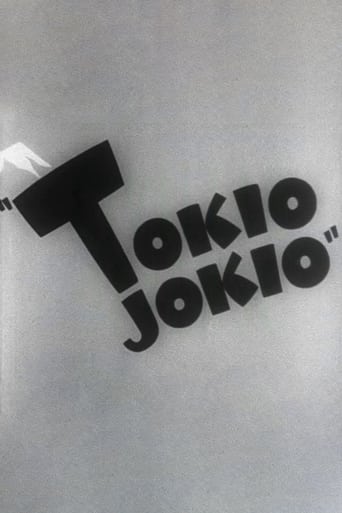
- Director of 'Tokio Jokio' (1943), another significant propaganda short
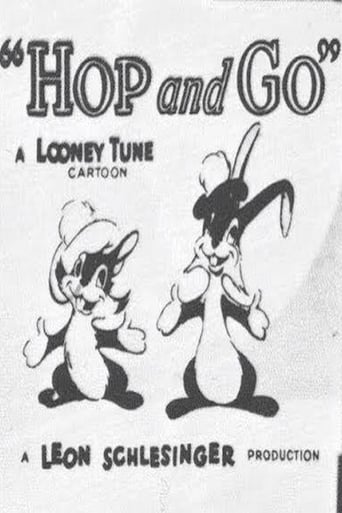
- Director of 'Hop and Go' (1943) starring the Two Curious Puppies
- Worked as animator on numerous Warner Bros. Cartoons before becoming director
- Part of Warner Bros.' golden age animation team during WWII
- Created some of the era's most controversial yet historically significant propaganda cartoons
Best Known For
Must-See Films
Working Relationships
Worked Often With
Studios
Why They Matter
Impact on Culture
Norm McCabe's wartime propaganda cartoons represent a significant cultural artifact from World War II America, reflecting how the entertainment industry mobilized for the war effort. His work, particularly 'The Ducktators' and 'Tokio Jokio,' exemplifies how animation was used as a powerful tool for propaganda, shaping public opinion and boosting morale during a critical period in history. These cartoons, while controversial by modern standards for their stereotypical portrayals, provide valuable insight into wartime sentiment and the role of popular culture in supporting national objectives. McCabe's films contribute to our understanding of how animation evolved from pure entertainment to a medium capable of delivering complex political and social messages.
Lasting Legacy
Norm McCabe's legacy lies in his contribution to wartime animation and his role in. Though his directorial career was brief, his work remains historically significant for its representation of wartime propaganda in animation. His cartoons are studied by film historians and animation scholars as examples of how the medium was utilized for political purposes during WWII. While not as famous as some of his Warner Bros. Contemporaries, McCabe's work endures as an important part of animation history, particularly in understanding the relationship between entertainment and politics during wartime.
Who They Inspired
McCabe's work influenced subsequent generations of animators interested in using animation for social and political commentary. His approach to combining humor with propaganda messages demonstrated the potential of animation as a medium for serious themes. While his direct influence on individual animators is not extensively documented, his wartime cartoons contributed to the broader understanding of animation's capabilities beyond simple entertainment, paving the way for more sophisticated uses of the medium in later decades.
Off Screen
Norm McCabe maintained a relatively private personal life throughout his career in animation. He immigrated from Canada to the United States to pursue his career in the burgeoning animation industry. Details about his family life and personal relationships are scarce, as was common for many animation professionals of his era who worked behind the scenes. He lived through the golden age of Hollywood animation and witnessed the evolution of the medium from theatrical shorts to television animation.
Education
Educational background not widely documented, typical for animation professionals of his era who often learned through apprenticeship and on-the-job training.
Did You Know?
- Norm McCabe was one of the few directors at Warner Bros. Who specialized almost exclusively in wartime propaganda cartoons
- 'The Ducktators' featured caricatures of Hitler, Hirohito, and Mussolini as ducks
- His cartoons were often controversial and some have been removed from modern television rotation due to their stereotypical content
- His directorial career at Warner Bros. Lasted only about 18 months but produced some of the era's most memorable propaganda shorts
- Unlike many of his contemporaries, McCabe did not continue directing after leaving Warner Bros.
- His cartoons were part of a broader Hollywood effort to support the war through entertainment
- McCabe was born in Canada but became an American citizen and worked primarily in the U.S. Animation industry
- His work is now studied more for its historical significance than its entertainment value
- The animation techniques used in his propaganda shorts were innovative for their time despite the controversial content
Frequently Asked Questions
Who was Norm McCabe?
Canadian-born American animator and on YTB.my. Cartoons during the 1940s, specializing in wartime propaganda cartoons during World War II.
What films is Norm McCabe best known for?
Titles linked here include The Ducktators (1942), Tokio Jokio (1943).
When was Norm McCabe born and when did he die?
Born January 13, 1913; died May 18, 2001.
What awards did Norm McCabe win?
There are no documented awards or nominations for Norm McCabe's work, which was typical for animation directors of his era.
What was Norm McCabe's directing style?
McCabe's directing style featured bold, exaggerated animation with clear propaganda messaging, using caricature and satire to portray Axis leaders during WWII, with brisk pacing and patriotic themes.