Films
2 films
About Yelena Savitskaya
Yelena Savitskaya performed in films during the 1930s and 1940s, a period that coincided with the height of Stalinist cinema in the USSR. Her career, though relatively brief, spanned from 1936 to 1944, during which she appeared in notable Soviet productions that reflected the era's cinematic themes and artistic sensibilities. Savitskaya emerged during a time when Soviet cinema was heavily influenced by socialist realism, a style that emphasized positive portrayals of Soviet life and values. Her performances in both romantic and wartime dramas demonstrated her versatility as an actress capable of conveying complex emotions within the constraints of the state-sanctioned artistic framework. The fact that she appeared in films both before and during World War II suggests she maintained her career through turbulent periods in Soviet history. Like many Soviet actors of her generation, her work contributed to the cultural landscape of wartime cinema, which served both entertainment and propaganda purposes. Her filmography, while limited, represents a slice of Soviet cinematic history during a critical period of the nation's development.
The Craft
On Screen
While specific details about her acting technique are not extensively documented, Savitskaya's performances likely reflected the socialist realist style prevalent in Soviet cinema of the 1930s-1940s, characterized by emotional clarity, ideological commitment, and dramatic expressiveness appropriate to the themes of love, patriotism, and socialist values.
Milestones
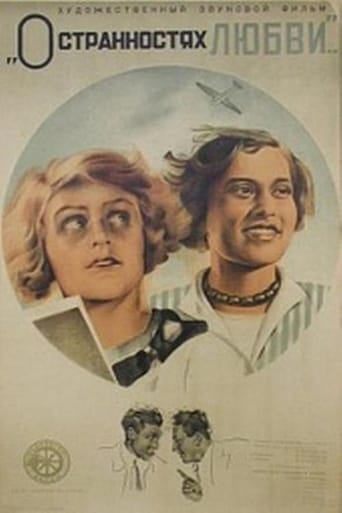
- Debut in 'On the Strangeness of Love' (1936)
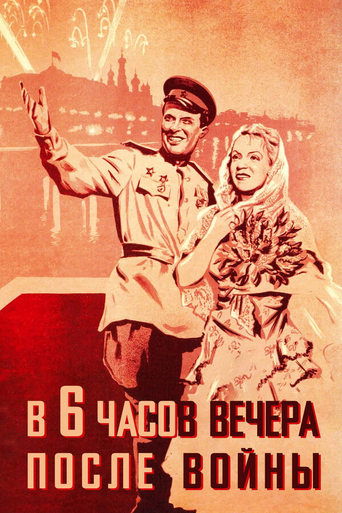
- Appeared in wartime drama 'Six O'Clock in the Evening After the War' (1944)
Best Known For
Iconic Roles
Must-See Films
Working Relationships
Studios
Why They Matter
Impact on Culture
Yelena Savitskaya's contribution to Soviet cinema, while not extensively documented, represents the work of countless actors who formed the backbone of the Soviet film industry during a critical historical period. Her appearances in films from both the pre-war and wartime eras place her within the continuum of Soviet cinema's evolution from the 1930s socialist realist masterpieces to the wartime productions that emphasized patriotism and resilience. The films she appeared in, particularly 'Six O'Clock in the Evening After the War,' were part of the cultural effort to maintain morale and reinforce Soviet values during the Great Patriotic War. Though not a major star, her work contributed to the collective artistic endeavor that defined Soviet cinema during the Stalin era.
Lasting Legacy
Yelena Savitskaya's legacy is preserved through her film appearances that survive as artifacts of Soviet cinematic history. Her work shows the numerous supporting actors and character performers who were essential to creating the Soviet cinema during the 1930s and 1940s. While she may not have achieved the lasting fame of contemporaries like Lyubov Orlova or Marina Ladynina, her contributions to films like 'Six O'Clock in the Evening After the War' ensure her place in the historical record of Soviet wartime cinema. Her career trajectory, spanning from pre-war romantic themes to wartime drama, reflects the broader shifts in Soviet film production and thematic priorities during this pivotal period.
Who They Inspired
As a character actress working within the Soviet film system, Yelena Savitskaya's influence would have been primarily through her contributions to the ensemble casts that brought Soviet films to life. While specific documentation of her influence on other actors is not available, her work in both romantic and wartime genres would have contributed to the established acting traditions within Soviet cinema. Her performances in state-sponsored productions helped reinforce the acting styles and approaches that were considered appropriate for Soviet cinema during the Stalin era.
Off Screen
Very limited information is available about Yelena Savitskaya's personal life, which was not uncommon for Soviet actors of her generation who were not among the most prominent stars of the era.
Did You Know?
- Appeared in films spanning from before World War II to during the war
- Her film 'Six O'Clock in the Evening After the War' was directed by Ivan Pyryev,
- The title 'Six O'Clock in the Evening After the War' reflects the Soviet practice of using time-specific titles to emphasize the post-war reconstruction theme
- Her active years covered exactly 8 years, from 1936 to 1944
- Like many Soviet actors of her generation, detailed biographical information about her is scarce in Western sources
- Her films were produced during the height of socialist realism in Soviet cinema
- The 1944 film she appeared in was one of the major Soviet productions made during the war years
Frequently Asked Questions
Who was Yelena Savitskaya?
Soviet actress active during the 1930s and 1940s, known for her appearances in the films 'On the Strangeness of Love' (1936) and 'Six O'Clock in the Evening After the War' (1944). She worked during the Stalin era of Soviet cinema, contributing to the country's film industry during both pre-war and wartime periods.
What films is Yelena Savitskaya best known for?
Titles linked here include On the Strangeness of Love (1936), Six O'Clock in the Evening After the War (1944).
When was Yelena Savitskaya active in films?
Yelena Savitskaya was active in cinema from 1936 to 1944, a period that encompassed both the pre-war Stalin era and the Great Patriotic War (World War II). Her eight-year active years covered some of the most turbulent years in Soviet history.
What style of acting did Yelena Savitskaya practice?
While specific details about her technique are limited, Savitskaya likely practiced the socialist realist acting style prevalent in Soviet cinema of her era. This approach emphasized emotional clarity, ideological commitment, and dramatic expressiveness appropriate to the themes and values promoted in Soviet films of the 1930s and 1940s.
What was the significance of the films Yelena Savitskaya appeared in?
The films she appeared in represent important aspects of Soviet cinema history. 'Six O'Clock in the Evening After the War' was particularly significant as a major wartime production that helped maintain Soviet morale and reinforced patriotic values during the Great Patriotic War. Both films reflect the cinematic priorities and artistic constraints of their respective periods in Soviet history.