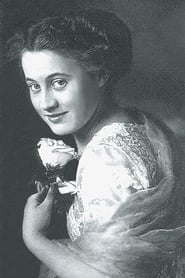
Dorothy Gibson
Actor
Born: May 17, 1889 in Hoboken, New Jersey, United States Died: February 17, 1946 Active: 1912 Birth Name: Dorothy Winifred Brown
Films
1 film
About Dorothy Gibson
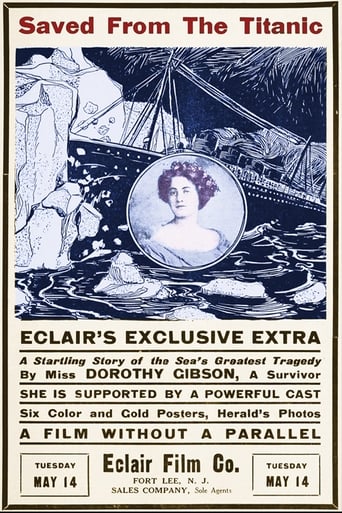
Silent film actress and model who achieved lasting fame primarily through her survival of the RMS Titanic disaster and subsequent starring role in one of cinema's earliest disaster films. Born Dorothy Winifred Brown in Hoboken, New Jersey, she began her career as a popular illustrator's model, appearing on numerous postcards and magazine covers in the early 1910s. Her life changed dramatically on April 15, 1912, when she survived the sinking of the Titanic, an experience that would define her legacy. Just one month after the disaster, she starred in 'Saved from the Titanic' (1912), a film in which she essentially reenacted her own harrowing experience, even wearing the same clothes she had worn during the actual sinking. This remarkable film, now lost, made her an instant celebrity but also marked the beginning and end of her brief film career. Following the film's release, Gibson retired from acting, married, and eventually moved to Europe, where she spent her remaining years in relative obscurity in Paris until her death in 1946.
The Craft
On Screen
Naturalistic and emotionally authentic, drawing directly from her real-life traumatic experience in her only film performance
Milestones
- Survival of RMS Titanic disaster (1912)
- Starred in 'Saved from the Titanic' (1912)
- One of the earliest film portrayals of a real-life disaster survivor
- Retired from acting after one film
- Popular pre-Titanic career as model and postcard star
Best Known For
Iconic Roles
Must-See Films
Accolades
Special Recognition
- Recognized as one of the earliest film actors to portray real-life disaster experiences
- Noted in Titanic historical documentation and film history
Working Relationships
Worked Often With
Studios
Why They Matter
Impact on Culture
Dorothy Gibson holds a unique place in cinema history as one of the first actors to portray a real-life disaster survivor on screen, effectively creating a new genre of disaster filmmaking. Her film 'Saved from the Titanic' was groundbreaking not only for its subject matter but also for its immediacy - being produced just one month after the actual tragedy. Gibson's decision to wear the same clothes she had worn during the sinking and to essentially reenact her own trauma established a precedent for authenticity in disaster films that would influence cinema for decades. Her work represents an early example of what would later be called 'method acting,' though this term didn't exist at the time. The film itself, though now lost, was significant for its use of special effects and its combination of documentary-style footage with dramatic reconstruction.
Lasting Legacy
Dorothy Gibson's legacy is intrinsically tied to the Titanic disaster and early cinema history. While her film career was brief, consisting of only one movie, her contribution to film is disproportionately significant. She represents a unique intersection of historical event and cinematic representation, having been both a participant in one of history's most famous disasters and a star in one of its earliest film adaptations. Her story continues to fascinate Titanic historians and film scholars alike, serving as a compelling example of how personal trauma can be transformed into artistic expression. The loss of her film makes her legacy even more intriguing, as it represents one of cinema's most significant missing pieces - a film made by an actual survivor about their own experience just weeks after it occurred.
Who They Inspired
Dorothy Gibson influenced early disaster filmmaking by establishing a template for authenticity and emotional truth in depicting real-life tragedies. Her approach of drawing directly from personal experience predated method acting techniques by decades. Her work demonstrated the power of cinema to process and memorialize contemporary events, influencing how filmmakers would approach disaster subjects throughout the 20th century. While she didn't directly mentor other actors due to her brief career, her example showed how personal experience could enhance dramatic performance, a lesson that would resonate with future generations of actors and directors working on biographical and historical films.
Off Screen
Dorothy Gibson led a fascinating life that spanned from American modeling fame to European retirement. Before the Titanic, she was a successful model who appeared on numerous postcards and was considered. After surviving the Titanic disaster and making her one film, she married George Battier Jr., a wealthy businessman. The couple eventually moved to Europe, settling in Paris where Dorothy lived for the remainder of her life. During World War II, she reportedly suffered from health issues and financial difficulties. She never had children and spent her final years in relative seclusion, dying in Paris at the age of 56.
Education
Limited information available about formal education; likely educated in Hoboken, New Jersey public schools
Family
- George Battier Jr. (1912-1946)
Did You Know?
- Was
- Appeared on over 100 different postcards as a model
- Survived the Titanic by boarding Lifeboat 7
- Made her film 'Saved from the Titanic' just 29 days after the sinking
- Wore the exact same white silk evening dress in the film that she wore during the actual Titanic sinking
- Her film is now considered lost, making it one of cinema's most sought-after missing films
- Was the first actress to star in a film about the Titanic disaster
- Retired from acting immediately after making her one and only film
- Spent her final years living in Paris, France
- Her story was featured in the 2012 book 'Titanic Love Stories' by Gill Paul
In Their Own Words
I was in the lifeboat for about six hours in my nightgown, and I didn't have a coat or anything. The water was freezing.
When they asked me to make the picture, I thought it would be a wonderful thing to do, to show people what really happened.
Frequently Asked Questions
Who was Dorothy Gibson?
American silent film actress and model who survived the RMS Titanic disaster in 1912 and starred in one of the earliest films about the tragedy, 'Saved from the Titanic,' made just one month after the sinking.
What films is Dorothy Gibson best known for?
Titles linked here include Saved from the Titanic (1912).
When was Dorothy Gibson born and when did she die?
Born May 17, 1889; died February 17, 1946.
What awards did Dorothy Gibson win?
Dorothy Gibson did not receive any formal film awards, as her career consisted of only one film in 1912, before the establishment of major film awards like the Academy Awards.
What was Dorothy Gibson's acting style?
Gibson's acting style was notably naturalistic and authentic, as she drew directly from her real-life traumatic experience surviving the Titanic disaster, even wearing the same clothes in the film that she wore during the actual sinking.
How did Dorothy Gibson survive the Titanic?
Dorothy Gibson survived the Titanic sinking by boarding Lifeboat 7, one of the first lifeboats to be launched from the ship. She spent approximately six hours in the freezing water in her nightgown before being rescued.
Why did Dorothy Gibson retire from acting after just one film?
While the exact reasons are not definitively documented, it's believed that the emotional toll of reenacting her traumatic Titanic experience so soon after the event, combined with her marriage to wealthy businessman George Battier Jr., led to her decision to retire from acting.